
What Makes Qigong Effective for Managing Disease

Qigong is a helpful way to manage disease. It uses gentle movement, mindful breathing, and focused meditation. Qigong helps your health by making energy flow better. It also helps balance your body and mind. Anyone can do Qigong, no matter their age. You do not need special tools or a big space. Studies show Qigong can help your health. It can lower blood pressure and help your heart work better. It can also help with anxiety and depression. The table below shows how Qigong helps your health in different ways:
Health Outcome |
Summary of Benefits |
|---|---|
Psychological Health |
Less anxiety and depression |
Cardiopulmonary Fitness |
Better blood pressure and heart rate |
Quality of Life |
Improved mood and well-being |
Accessibility |
Easy for all ages, including older adults |
You can start Qigong for health today. You can feel these benefits in your daily life.
(To learn more about Qigong meditation, read What Is Qigong Meditation and How Does It Work.)
Key Takeaways
Qigong is a gentle way to move, breathe, and meditate to help your health.
Doing Qigong often can help lower stress, anxiety, and sadness. This can make your mind feel better.
Qigong can help your body by making blood flow better, lowering blood pressure, and easing pain.
Anyone can do Qigong, no matter how old or fit they are. This makes it easy for everyone to try.
You can start Qigong by taking easy steps, like finding a teacher and practicing often.
How Qigong Works in the Body and Mind
Physiological Effects of Qigong
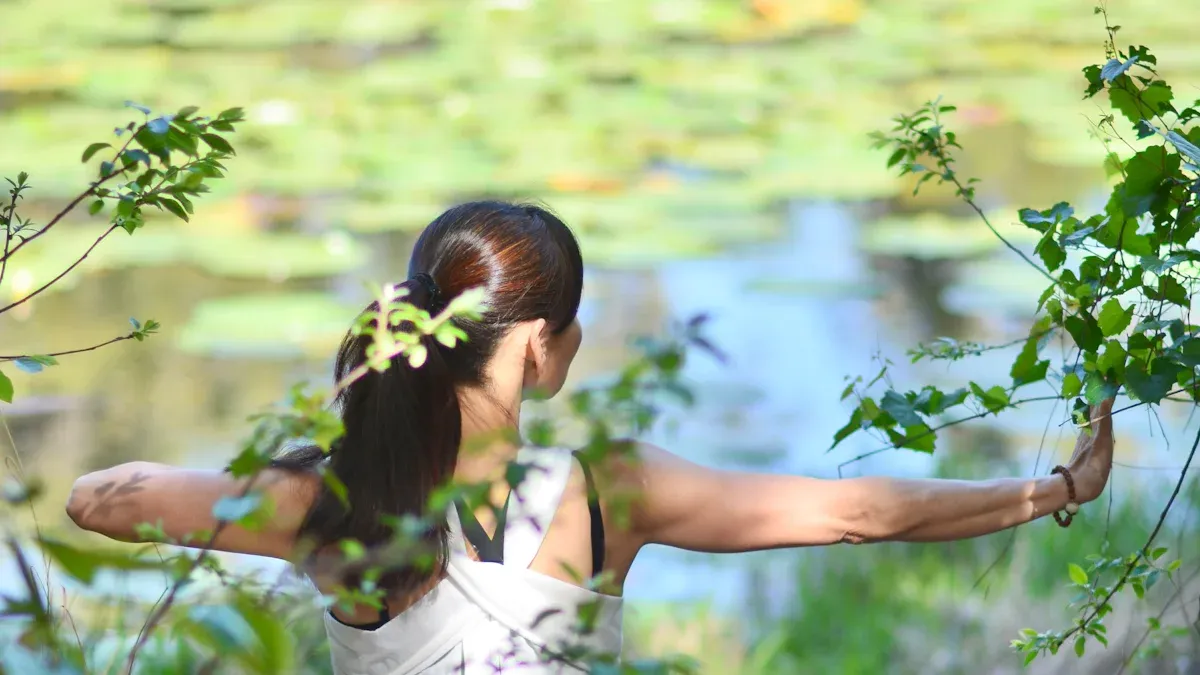
Qigong uses slow movement, breathing, and meditation to help your body. When you do Qigong, your bones can get stronger. It helps lower stress in your body. Qigong makes antioxidant enzymes work better. These enzymes protect your cells from damage. Doing Qigong often helps you balance, get stronger, and become more flexible. The meridian system links your organs and lets energy move. Qigong keeps this system open so you stay healthy. You might sleep better and feel happier when you add Qigong to your day. Qigong helps your blood and lymph flow well. This brings nutrients to your body and takes away waste. It can lower swelling and inflammation. Qigong movement may help you feel less pain and move better.
Qigong movement can change your nervous system. You may feel more calm and balanced. Qigong helps your body stay healthy and steady.
Psychological and Emotional Impact
Qigong helps your mind with movement, breathing, and meditation. You may feel less stress and worry after doing Qigong. Many people say their mood gets better. Qigong helps you think about things in a good way. It helps you handle stress better. You can think more clearly if you do Qigong often. Studies show Qigong lowers cortisol, which is a stress hormone. This helps you feel relaxed and less anxious.
Evidence Type |
Findings |
Implications |
|---|---|---|
Qigong Training |
Students felt less depressed after 10 weeks |
Qigong can help with depression |
Cortisol Levels |
Qigong linked to lower cortisol |
Qigong helps lower stress |
Cognitive Functioning |
Older adults thought better after Qigong |
Qigong helps your mind |
Emotional Regulation |
People handled stress better with Qigong |
Qigong helps you deal with stress |
(If you're curious about breathing, check out Breathwork techniques for energy and relaxation.)
Energy Flow and Balance
Qigong movement works with energy called Qi. You use movement, breathing, and meditation to guide Qi. Qigong keeps your energy balanced and stops blockages. When Qi moves well, you feel strong and healthy. Qigong helps your immune system and helps your body heal. You may notice better blood flow and less swelling. Qigong helps your heart rate and blood pressure stay normal. Some studies show changes in brain and heart activity after Qigong.
Qigong movement helps your body, mind, and spirit.
Qigong movement brings balance and energy by moving Qi.
Qigong movement opens energy paths, helps blood flow, and supports your immune system.
Qigong movement helps you feel calm, focused, and peaceful.
Measurement Type |
Observations |
|---|---|
EEG |
Brain activity changes in people who do Qigong often. |
Heart Rate Variability |
Lower heart rate and blood pressure after Qigong. |
Biomagnetic Emissions |
Special emissions during Qigong breathing. |
f-MRI |
More activity in a brain area during Qigong movement. |
Evoked Potentials |
Brain activity changes during Qigong meditation. |
Qigong movement gives you a way to help your health every day. You can use Qigong to help your body and mind work together and feel better.
(For more information about Qi, check out Understanding the Vital Role of Qi in Taoist Life.)
Health Benefits of Qigong for Disease Management
Chronic Pain and Arthritis Relief
Qigong is a gentle way to help with pain and arthritis. Slow movement and breathing help your body relax. This can make pain signals weaker. Many people with pain feel better and move easier with Qigong. You might walk better and feel less stiff in daily life.
Here is a table that shows how Qigong helps people with pain and arthritis:
Study |
Population |
Intervention |
Results |
|---|---|---|---|
Chan et al. |
150 chronic fatigue patients |
Qigong lessons |
Better sleep, less fatigue, less anxiety and depression, lasting 3 months |
Tsang et al. |
50 geriatric patients |
Eight Section Brocades Qigong |
Better physical and psychological health, improved daily activities |
Yang et al. |
43 elderly adults with chronic pain |
Qi therapy for 4 weeks |
Better mood and psychological health, benefits lasted 2 weeks |
Haak et al. |
57 females with fibromyalgia |
Qigong sessions for 7 weeks |
Less pain, better psychological health, benefits lasted 4 months |
Chen et al. |
10 cases with arthritis |
Qigong therapy |
Less pain, better movement, less anxiety for a long time |
Qigong helps many people with different kinds of pain. Gentle movement supports your body and helps you feel better.
When you look at other therapies, Qigong shows strong results:
Study Focus |
Findings |
|---|---|
General Effectiveness |
97% of 886 studies showed Qigong improved physical function and pain |
Fibromyalgia |
Tai Chi helped more than aerobic exercise for symptom control |
Chronic Low Back Pain |
Tai Chi, Qigong, and yoga all reduced pain and improved function |
Knee Osteoarthritis |
Tai Chi worked better than stretching and education for pain and movement |
Qigong is a safe way to help with pain and move better every day.
Cardiovascular and Respiratory Health
Qigong helps your heart and lungs. Slow movement and deep breathing help your body use oxygen well. Qigong can lower blood pressure and help your heart work better. Your lungs can get stronger and more flexible too.
A review of ten studies found Qigong and Tai Chi help lung function. People who do these exercises have better FVC and FEV1. These are important for strong lungs. Qigong also helps people get better after lung problems, like after COVID-19. You may walk farther, breathe easier, and feel stronger if you practice often.
Studies show Qigong and Tai Chi lower blood pressure.
Qigong helps people with high blood pressure see big drops.
The more you practice, the better your results.
Qigong gives your heart and lungs a gentle workout. You can use movement and breath to help your health each day.
Mental Health: Stress, Anxiety, and Depression
Qigong helps you with stress, anxiety, and depression. Movement, breath, and focus help calm your mind and body. Qigong helps you feel more peaceful and balanced.
Study |
Psychological Outcome |
Measurement Tool |
Result |
|---|---|---|---|
Tsang et al. |
Less depression |
Hamilton Depression Index-17 |
Significant improvement |
Various |
Better mood |
Profile of Mood States |
Significant improvement |
Various |
Less anxiety |
Self-Rating Anxiety Scale |
Significant decrease |
Various |
Lower stress |
Symptom Checklist-90 |
Significant improvement |
Various |
Lower stress hormones |
Blood tests |
Significant decrease |
Qigong helps your mood and lowers stress. Many people feel better right after practicing. Qigong also lowers stress hormones like cortisol, norepinephrine, and epinephrine.
Intervention Type |
Mental Health Outcomes |
Evidence Level |
|---|---|---|
Tai Chi and Qigong |
Improve Quality of life, reduce stress, anxiety, depression |
Moderate |
Other Mind-Body Practices |
Similar benefits in mental health outcomes |
Moderate |
General Exercise |
Reduces depression symptoms |
Strong |
Qigong gives you a way to care for your mental health. You can use it to feel calmer and happier.
Cognitive Function and Neurological Support
Qigong helps your brain work better. Movement and breath support your memory and thinking. Qigong can help older adults keep their minds sharp.
Finding |
Result |
Significance |
|---|---|---|
Processing Speed Improvement |
t (46) = 2.03 |
p = 0.048 |
Sustained Attention Improvement |
t (46) = -2.34 |
p = 0.023 |
Increased Hippocampal Volume |
t (41) = 3.94 |
p < 0.001 |
Reduced Peripheral IL-6 Levels |
t (46) = -3.17 |
p = 0.003 |
Qigong helps older adults think faster and remember more.
You can see better thinking and memory.
Qigong helps your brain grow in important areas.
Qigong also helps people with brain conditions. Health Qigong helps people with mild cognitive problems. It helps older adults with memory issues as a support tool. For Parkinson’s disease, Qigong helps balance and coordination.
Qigong helps your brain and nerves stay strong. You can use movement to help your mind at any age.
Qigong for Cancer and Immune Health
Qigong helps people with cancer and supports your immune system. Gentle movement and breath help your body heal and recover. Qigong helps you feel less tired and improves your quality of life.
Qigong helps cancer patients sleep better and have fewer stomach problems.
You can see better memory and thinking.
Qigong raises white and red blood cells and hemoglobin, which help fight illness.
Qigong also makes your immune system stronger. Studies show Qigong raises immune cell levels, like white blood cells and lymphocytes. After Qigong, you have more monocytes, which protect your body. These changes help you stay strong during illness.
Qigong gives you a gentle way to help healing and immune strength.
Managing Diabetes and Metabolic Conditions
Qigong helps you manage diabetes and other metabolic problems. Movement and breath help your body control blood sugar and improve metabolism. Qigong can lower your blood glucose and help your body use insulin better.
Study Title |
Findings |
|---|---|
The Effects of Qigong on Type 2 Diabetes Mellitus: A Systematic Review and Meta-Analysis |
Qigong training improves blood glucose in type 2 diabetes patients. More research needed. |
Review Therapeutic Chinese exercises (Qigong) in the treatment of type 2 diabetes mellitus |
Qigong lowers C-peptide and fasting blood glucose, improves insulin resistance and HbA1c. |
Evidence Type |
Findings |
Source |
|---|---|---|
Meta-analysis |
Traditional Chinese exercises lower HbA1c by −0.77% in T2DM. SJG lowers it by −2.73%. |
Wang et al. (2023) |
Qigong, especially Sanxiao Jiuzhi Gong, helps your body use insulin and glucose better. It helps your organs work well and keeps your metabolism healthy. You can use Qigong to help manage diabetes and keep your body balanced.
Qigong movement gives you an easy way to help your health every day. You can use it for pain, heart health, mental health, brain function, immune strength, and blood sugar control. Qigong brings you many benefits with gentle movement, breath, and focus.
Qigong for Health: Safety, Accessibility, and Getting Started
Safety and Suitability for All Ages
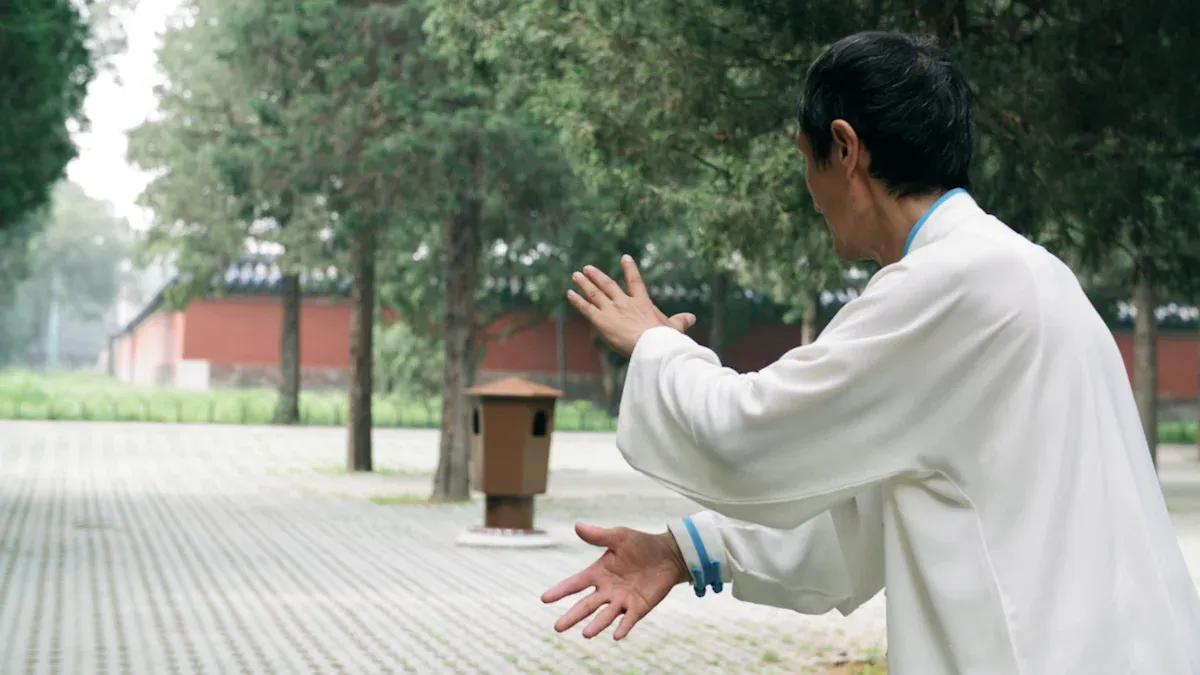
Qigong uses gentle movement to help your body and mind. People of any age can do Qigong. You can try Qigong even if you have health problems or trouble moving. Many people use Qigong to feel better and handle stress. Hospitals and clinics offer Qigong with regular medical care. Reviews show Qigong and Tai Chi help with high blood pressure, diabetes, heart disease, and mental health.
Qigong is safe because you can change it for your needs. Older adults say they feel less pain and enjoy life more after doing Qigong. Qigong helps people feel less stress and manage pain. You can change the movement to make it comfortable. Most people do not have bad side effects. If you have a history of psychotic disorders, you should have someone watch you. Do not do Qigong if you are sick or hurt, and change it if you are pregnant. Some people feel dizzy or shaky, but this does not happen often.
Qigong movement is gentle and easy to change. You can pick the speed and style that works for you.
How to Begin a Qigong Practice
You can start Qigong by taking small steps. Learn about Qigong movement from books or videos. Find a good teacher to help you. Wear loose clothes so you can move easily. Warm up with light stretches or moving your joints. Start with easy movement and short practice times. Try different Qigong and Tai Chi styles to see what you like.
Read or watch trusted sources about Qigong movement.
Join a class or find a teacher for safe learning.
Wear comfy clothes for easy movement.
Stretch lightly before you start.
Begin with simple movement and short sessions.
Try different Qigong and Tai Chi styles.
You can get help from the National Qigong Association and Red Thread Institute. These groups give training and support. QiTalks has talks with experts every month. Medical groups also say Qigong is good for health.
Integrating Qigong into Daily Life
You can add Qigong movement to your daily routine. Pick a set time each day to practice. Short sessions are good if you are busy. You can practice outside for extra benefits. Being part of a group helps you keep going. Many people do Qigong and Tai Chi for years. Studies show more than half of people keep practicing after their first class.
Study Reference |
Findings on Adherence |
|---|---|
Wolf et al. |
Over half of people kept doing Qigong |
Wenneberg et al. |
9 out of 16 kept practicing Qigong |
Yeh et al. |
14 out of 15 wanted to keep doing Tai Chi |
Gavin and Myers |
67% wanted another class after a year |
Li et al. |
More than half stayed active after finishing |
Doing Qigong movement often gives you lasting benefits. You can use Qigong and Tai Chi to help your health and feel better every day.
Qigong helps you feel better every day. You use Qigong to help your body, mind, and spirit. Qigong helps with stress and pain. It can help many health problems. Qigong can help people with heart disease, diabetes, and cancer. You may feel calm and strong after doing Qigong. Qigong helps you control blood pressure. It can help you after a stroke. Qigong can lower anxiety and depression. People with fibromyalgia and COPD can use Qigong too. Qigong is safe for people of any age.
Qigong is an easy way to help your health. You can use Qigong to feel better every day.
Pieces That Carry This Intention
Beads meant to be handled while you practice, not just worn.


FAQ
What is Qigong?
Qigong is a gentle practice that uses movement, breath, and focus. You can use Qigong to help your health. Many older people use Qigong to feel better. Qigong helps you balance your body and mind. Older adults find Qigong easy to learn and safe to do.
What can Qigong do for older adults?
Qigong helps older adults move better and feel less pain. You can use Qigong to help with stress and sleep. Many older people say Qigong helps them stay active. Qigong supports older adults with heart health, diabetes, and mental health. Older adults enjoy Qigong in groups.
What makes Qigong safe for older people?
Qigong uses slow movement and gentle breathing. Older adults can change Qigong to fit their needs. You do not need special tools. Older people can do Qigong sitting or standing. Qigong helps older adults avoid injury. Many older adults say Qigong feels safe and easy.
What health problems can Qigong help older adults manage?
Qigong helps older adults with pain, heart disease, diabetes, and cancer. You can use Qigong for stress, anxiety, and depression. Older people use Qigong to help with balance and memory. Qigong supports older adults after stroke or surgery. Many older adults see better health with Qigong.
What is the best way for older adults to start Qigong?
Older adults can start Qigong by joining a class or watching videos. You can wear loose clothes and start with short sessions. Many older people like to practice Qigong outside. Older adults can ask a teacher for help. Qigong is easy for older adults to add to daily life.
See Also
What Is Qigong Meditation and How Does It Work