
Using Mindfulness Meditation for Emotional Balance

Mindfulness meditation helps you feel more balanced. It calms your mind and helps you focus better. You begin to notice your feelings without judging them. This makes it easier to deal with hard emotions. Many people say they feel less stressed and know themselves better. Research shows mindfulness meditation can lower stress for a long time. It also helps you handle your emotions better.
Key Takeaways
Mindfulness meditation lets you see your feelings without judging them. This skill helps you handle emotions better and stay calm.
Doing mindfulness can make stress go down and help you feel balanced. Meditating often helps you feel steady and less worried.
Begin with only a few minutes of meditation each day. Doing it often is important, so pick a time that fits you and keep doing it.
What Is Mindfulness Meditation?
Core Principles
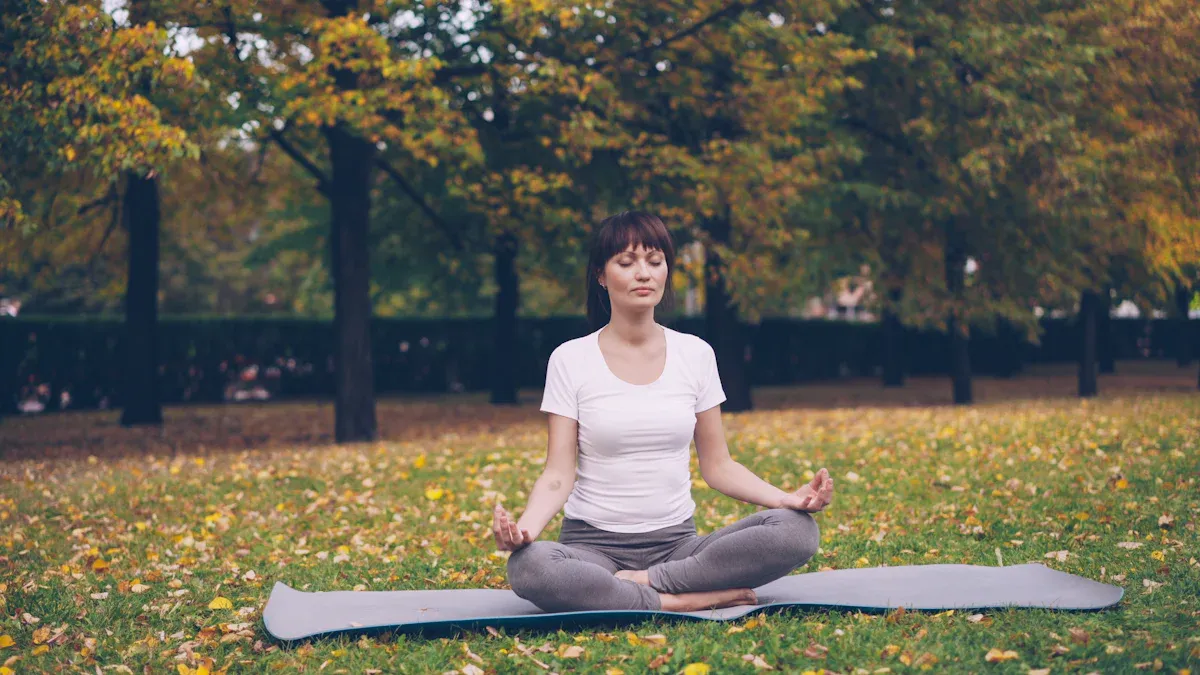
Mindfulness meditation teaches you to notice what is happening now. You do this on purpose and try not to judge yourself. You pay attention to your thoughts, feelings, and sounds around you. You let them come and go, just like clouds in the sky. Experts say you should stay present and open. They say it is very important.
Kabat-Zinn says, “Mindfulness is purposefully and non-judgmentally paying attention to the present moment, as if your life depended on it.” This practice invites you to wake up and reclaim your life.
Here are some main ideas about mindfulness meditation:
You focus on what is happening right now.
You watch your thoughts and feelings without judging them.
You keep your mind steady and notice things inside and outside you.
You stay curious and open to every experience.
Role in Emotional Regulation
Mindfulness meditation helps you manage your emotions better. When you practice, you train your brain to notice feelings before reacting. This helps you stay calm when things are hard. Your brain changes and helps you handle emotions and stress. You may recover faster after something stressful happens.
Mindfulness meditation helps you pay attention and think clearly, so you can handle strong emotions.
It lowers stress hormones like cortisol, which helps you feel balanced.
You learn to respond with care instead of reacting quickly when you are upset.
Your brain makes new connections that help you control your emotions and be aware.
(If you want to know more about how mindfulness helps with stress, check out the article How to reduce stress with mindfulness meditation.)
Mindfulness Meditation: Benefits for Emotional Balance
Emotional Awareness
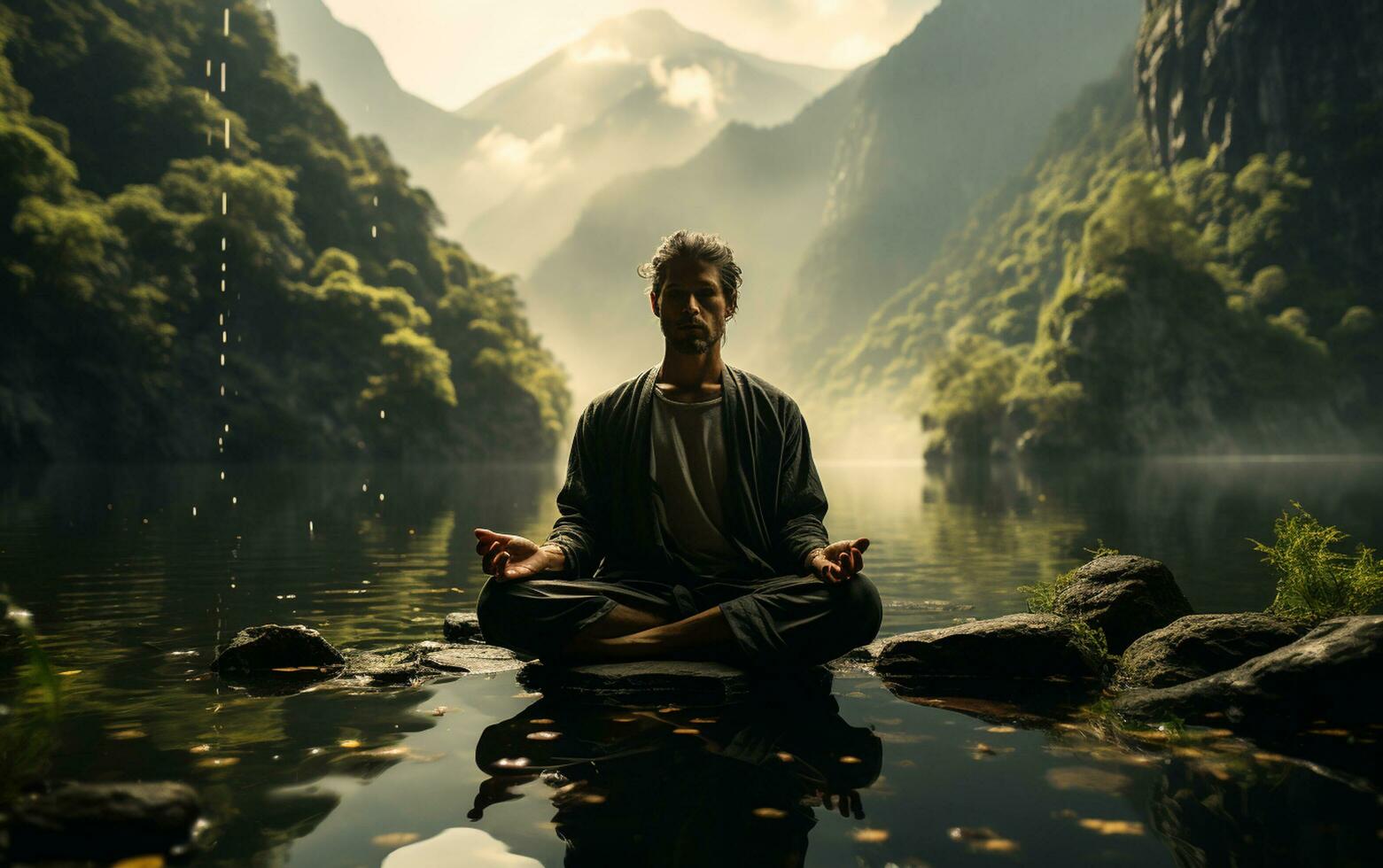
When you do mindfulness meditation, you notice your feelings better. You start to see emotions as they show up. This helps you not let them control you. You can understand what you feel and why. Then you can choose how to act, instead of just reacting.
Here is what studies say about how meditation helps with emotional awareness:
Findings |
Description |
|---|---|
Mood Disturbance |
Meditation lowered mood problems, anxiety, and tiredness. |
Cognitive Function |
Meditation helped attention and memory get better. |
Behavioral Response |
Meditation made people less anxious during stress. |
Effective Dosage |
Meditating daily for 8 weeks worked, but 4 weeks did not. |
You may see that your feelings are not as strong or too much. Research says mindfulness meditation makes bad feelings go away faster than good ones. This is called the "fading affect bias." You get better at watching and talking about your feelings. This helps you deal with them in a healthy way.
Finding |
Description |
|---|---|
Fading Affect Bias |
Mindfulness makes bad feelings fade faster than good ones. |
Influencing Factors |
Watching and talking about feelings makes this work better. |
Emotional Processing |
Mindfulness helps you think about and handle feelings over time. |
(If you want to learn how meditation helps with emotion, check out Best meditation practices for emotional trauma.)
Stress Reduction
Mindfulness meditation is a strong way to lower stress. When you meditate, your body makes less cortisol. Cortisol is the main stress hormone. Less cortisol means you feel calmer and more balanced.
Measurement |
Before Meditation (nmol/L) |
After Meditation (nmol/L) |
Statistical Significance |
|---|---|---|---|
Average Serum Cortisol |
381.93 |
306.38 |
Significant |
Thai GHQ28 Score |
1.50 |
0.77 |
Not Significant |
You might see you do not get upset as fast. Your mind feels clearer, and you can focus more. Mindfulness meditation also helps your memory and attention. Studies show people who meditate remember better and handle feelings more easily.
Evidence Type |
Findings |
Source |
|---|---|---|
Emotional Processing |
Mindfulness meditation helps with feelings and memory. |
|
Cognitive Flexibility |
Meditation training helps you change thoughts and control feelings. |
|
Working Memory |
Short mindfulness meditation helps memory and thinking skills. |
|
Mood Improvement |
Short meditation helps mood and thinking. |
Mindfulness meditation works as well as other ways to lower stress, like exercise or therapy. It helps with anxiety, sadness, and pain, but is not always better than other ways. The most important thing is to find what helps you most.
Acceptance and Self-compassion
Mindfulness meditation teaches you to accept yourself and your feelings. You learn to be kind to yourself, even when things are tough. This is called self-compassion. When you practice self-compassion, you feel less alone and more connected to others.
Aspect of Evidence |
Description |
|---|---|
Mindfulness and Self-Compassion |
Mindfulness helps you be kinder to yourself and feel better. |
Mediating Role |
Self-compassion links mindfulness and feeling good. |
Trait Mindfulness |
Helps you notice feelings without overreacting and be kind to yourself. |
Self-compassion helps you feel good about yourself.
Mindfulness meditation makes it easier to forgive your mistakes.
You start to see your problems as something all people have.
Neff says, “Self-compassion means being open to your own suffering and wanting to help yourself.” Mindfulness and self-compassion work together to make you stronger inside.
Studies show self-compassion connects mindfulness and feeling good about yourself. When you accept your feelings, you do not get stuck in bad thoughts. You can move forward with more confidence and peace.
Mindfulness Meditation: How to Start
Preparation Steps
Getting started with mindfulness meditation can feel easy when you break it down. You do not need special equipment or a lot of time. You just need a few simple steps to make it part of your day. Here is a table to help you see what works best for beginners:
Preparation Step |
Description |
|---|---|
Pair meditation with daily activities |
Connect meditation with habits like brushing your teeth or walking your dog. This helps you remember. |
Start with a reminder |
Set a phone alert or use sticky notes to remind yourself to meditate. |
Use guided support |
Try apps like Headspace for guided sessions. These make meditation simple and clear. |
Track your progress |
Mark your meditation days on a calendar. Celebrate your streaks, but do not worry if you miss a day. |
Be flexible, not rigid |
Fit meditation into your routine. You can change the time or place if you need to. |
Support with therapy |
If you want extra help, you can talk to a therapist. Meditation and therapy work well together. |
Be patient |
Building a new habit takes time. Be kind to yourself as you learn. |
Tip: Pairing meditation with something you already do every day makes it much easier to remember.
Many people worry about not having enough time or not knowing how to start. You are not alone if you feel this way. Just take one small step at a time.
(If you want to take the first step, see Easy 3-Minute Meditations for Stress Management.)
Basic Techniques
You do not need to know every meditation style to begin. Start with a few simple techniques that help you feel calm and balanced. Here are some of the most effective ones:
Mindfulness-Based Stress Reduction (MBSR): This combines meditation and gentle yoga. It helps you manage stress and feel better.
Body Scan Meditation: You focus on each part of your body, one at a time. This helps you notice tension and relax.
Breath Awareness Meditation: You pay attention to your breathing. This calms your mind and helps you feel steady.
Loving-kindness Meditation: You send kind thoughts to yourself and others. This builds self-love and empathy.
Progressive Muscle Relaxation: You tense and relax different muscle groups. This helps your body let go of stress.
You can try these techniques for just a few minutes each day. Even a single session can help you feel better. Many beginners notice changes in their mood after 10 or 20 minutes of practice. You do not have to sit for a long time to get results.
(If you want to learn more about these techniques, you might enjoy the article Fast and Effective Meditation for Stress Relief in 2025.)
Staying Consistent
Sticking with mindfulness meditation can be tough at first. You might forget or feel too busy. Here are some ways to help you keep going:
Track your progress. Mark each day you meditate on a calendar. This helps you see your growth.
Try different types of meditation. Find the one you like best. When you enjoy it, you will want to keep going.
Start with short sessions. Three to five minutes is enough to build confidence.
Anchor your practice to a daily moment. For example, meditate right after breakfast or before bed.
Pick a focus point. You can use your breath, a sound, or even a word to help you stay present.
Use meditation apps. These apps give you step-by-step courses and reminders. They make it easy to practice at your own pace.
Remember, short sessions work. Experts say it is better to meditate often than to sit for a long time once in a while.
Note: Consistency matters more than how long you meditate. Even short, regular sessions can help you feel more balanced.
You might face some barriers, like not having enough time or feeling unsure about what to do. That is normal. Just keep trying, and be gentle with yourself. Over time, you will find your own rhythm.
Overcoming Challenges
Managing Distractions
Distractions pop up all the time when you try to meditate. You might hear noises, think about your to-do list, or feel restless. This is normal! Here are some ways you can handle distractions:
Focus on your breath to bring your mind back to the present.
Notice sounds or thoughts without judging them. Let them pass like clouds.
Create a tidy, quiet space for meditation.
Try meditating at the same time each day to build a habit.
Use gentle movement, like stretching, before you sit down.
Mindfulness helps you train your attention. Over time, you get better at tuning out distractions and feeling calm.
Handling Impatience
You might feel impatient if you do not see results right away. Many beginners want quick changes, but mindfulness works best when you let go of that rush. Patience grows when you stop trying to force it. Just notice your thoughts and feelings as they come. You do not need to clear your mind completely.
Tip: Try the "dropping anchor" exercise. Notice your breath, your body, and the sounds around you. This helps you stay grounded.
You can also pay attention to your senses during daily activities. This keeps you present and less focused on waiting for results.
Staying Motivated
Keeping up with meditation can feel hard, especially when life gets busy. Here are some ways to stay motivated:
Find your personal reason for meditating. Maybe you want to feel calmer or sleep better.
Set small, realistic goals.
Use a worksheet or app to track your progress.
Remember, mindfulness helps you understand yourself and your goals.
Mindfulness boosts your mental clarity and helps you focus on what matters most.
Daily Mindfulness
Mindful Moments
You can find mindful moments in your everyday life. Try paying close attention when you wash dishes, get dressed, or take a shower. These simple activities help you stay present. When you eat, slow down and notice the taste and smell of your food. This is called mindful eating. You can also start your day by focusing on your breath before getting out of bed. Set an intention for how you want to feel. During meals, put away your phone and enjoy each bite.
Washing dishes
Getting dressed
Taking a shower
Focusing on your breath in the morning
Engaging in these mindful moments can boost your emotional well-being.
Applying Mindfulness in Stress
Stressful moments happen to everyone. When you feel stress, pause and notice your breath. Mindfulness helps you see your feelings without judging them. This makes it easier to calm down. Mindfulness-Based Cognitive Therapy (MBCT) can lower anxiety and help you recover faster after stress. You may notice less emotional reactivity and more control over your responses.
Mindfulness reduces distress and helps you bounce back.
It teaches you to accept the present moment.
Practicing in groups can make you feel less alone and more supported.
Building a Routine
Building a mindfulness routine starts small. Begin with just a few minutes each day. Pick a regular time, like morning or lunchtime. Use reminders, such as sticky notes or phone alerts, to help you remember. Practice being present during daily tasks, like walking or eating. If you miss a day, be kind to yourself and start again.
Here are some steps to help you build your habit:
Start with a few minutes of practice each day.
Practice at the same time to make it a habit.
Set reminders to prompt you.
Add mindfulness to daily activities.
Join a group for support.
Be patient. Progress takes time.
Mindfulness meditation helps you feel more balanced inside. You start to feel less stress and accept yourself more. Over time, you notice some good changes:
You deal with stress in a calmer way.
You become stronger and feel closer to people.
You do not feel as anxious or sad as before.
Begin with short practice. Try to do it every day. You get a little stronger each day.
Pieces That Carry This Intention
Beads meant to be handled while you practice, not just worn.


FAQ
How long should you meditate each day?
You can start with five minutes. If you want more tips, check out What is Taoism for ideas on daily habits.
What if you get distracted during meditation?
It happens to everyone. Just notice the distraction and return to your breath. For more advice, explore What is Taoism to see how ancient wisdom handles focus.
Can mindfulness help with strong emotions?
Yes! Mindfulness helps you notice feelings without getting overwhelmed. You learn to pause and respond calmly. This skill grows with practice.
See Also
How to reduce stress with mindfulness meditation
Best meditation practices for emotional trauma