

How to Tell If a Citrine Is Real

Knowing how to tell if a citrine is real helps buyers not feel let down. Experts look for natural colors from light yellow to gold. Real citrine crystals let light go through them. They might have tiny bubbles or bits of minerals inside. If the color is even and there are no bubbles, it is likely real citrine. Many people think price always means good quality, but real citrine costs more than fake ones. Taoism and Manifest respect honesty by selling only real citrine jewelry and crystal pieces.
Key Takeaways
Look at the color of your citrine. Real citrine shows soft, even colors. The colors can be pale yellow or golden orange.
Check for clarity and inclusions. Real citrine is usually clear. It may have small natural flaws. Fake citrine can look too perfect.
Try a scratch test. Real citrine can scratch glass. Many fake stones cannot do this.
Watch out for bubbles. Real citrine does not have bubbles inside. Glass imitations often have bubbles.
Ask experts if you are not sure. You can talk to gemologists or trusted sellers like Taoism and Manifest.
How to Tell by Visual Signs
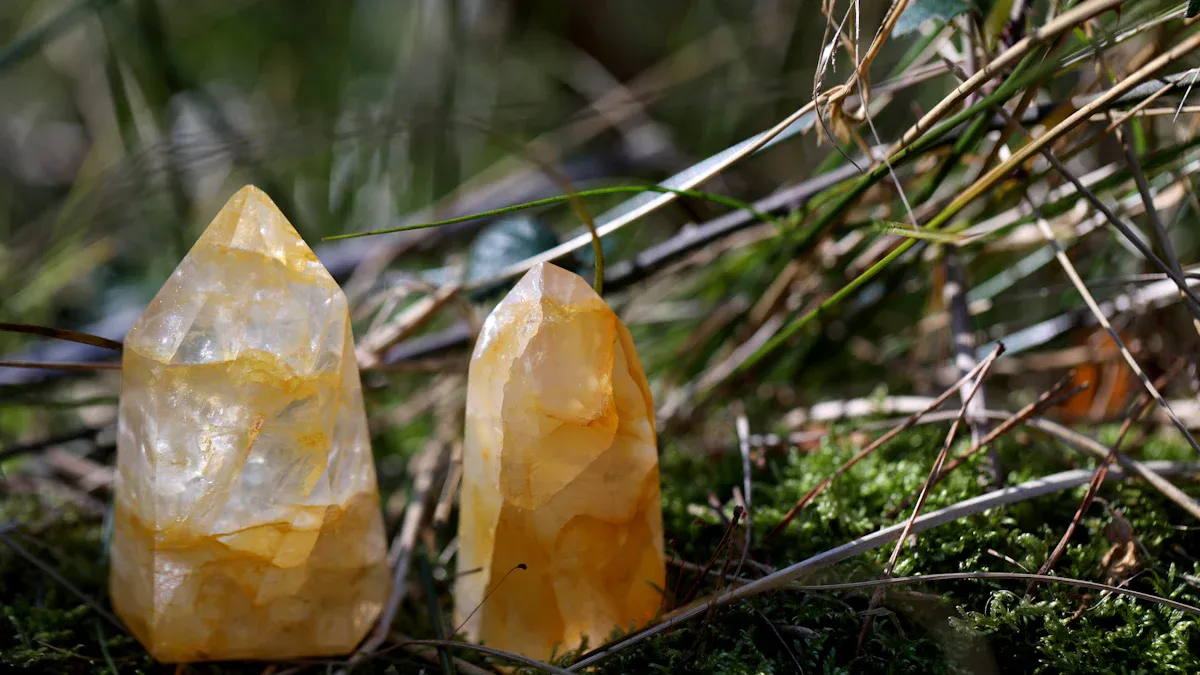
Natural Citrine Color
Natural citrine can be many colors. It may look pale yellow or brownish-red. Most people see orange as the usual color. The best citrine has a golden or fiery orange look. These colors are soft and spread out evenly. Real citrine does not have strong or patchy color. A real stone has a gentle, even color that does not change fast.
-
Natural citrine color range:
Pale yellow
Orange
Brownish-red
Golden hues
Fiery orange flashes
The table below shows how natural citrine and heat-treated amethyst look different:
Type |
Color Distribution |
|---|---|
Natural Citrine |
More uniform and pale, gentle golden-yellow or orange tone |
Heat-Treated Amethyst |
Deeper, sometimes multi-tonal, intense and uneven color transition |
If you want to know if your stone is real, look for even color. Real citrine has a soft shade that stays the same all over. Here are some exquisite citrine products for you:
Natural Citrine Beaded Bracelet
Natural Citrine & Red Sandalwood Beaded Bracelet
Clarity and Inclusions
Clarity helps you check if citrine is real. Real citrine is usually clear. Some stones have tiny inclusions, but they do not make it cloudy. The most common inclusions are needles or small bubbles. These show the stone formed in nature.
-
Common inclusions in natural citrine:
Needles
Liquid bubbles
A real citrine will not have lots of white streaks or look very cloudy. If a stone looks perfect or has no inclusions, it might be fake. Real citrine has clear spots with small, natural flaws. Jewelry made from real citrine looks clean and bright.
Spotting Fakes by Appearance
It is easy to spot fake citrine if you know what to check. Many fakes use glass or colored quartz. These fakes often have uneven color, bubbles, or feel heavy. Real citrine has natural shapes and special inclusions. The table below shows how real and fake citrine are different:
Feature |
Real Citrine |
Common Fakes (Glass/Colored Quartz) |
|---|---|---|
Color Gradient |
Uniform color |
Gradient from yellow to smoky or white |
Inclusions |
Unique inclusions present |
Often lacks inclusions |
Shape |
Natural variations |
Perfectly molded, slightly rounded edges |
Bubbles |
None |
May contain gas bubbles |
Refractive Index |
Specific to citrine |
Different from citrine |
Weight |
Lighter than glass |
Heavier than genuine citrine |
Temperature |
Feels cooler to touch |
Warmer due to heat absorption |
Color Distribution |
Consistent hue |
Uneven coloring or white bases |
A real stone feels cooler and lighter than glass. The color is even, not patchy or white at the base. If a crystal has bubbles or looks too perfect, it is probably fake. To tell the difference, look for these signs. Taoism and Manifest only sells real, temple-certified citrine. Each piece comes with true value and spiritual honesty.
Physical Tests for Citrine
Hardness and Weight
Testing the hardness of a gemstone helps people know if they have real citrine. Citrine is a type of quartz. It has a hardness of 7 on the Mohs scale. This means citrine can scratch glass and most metals. Many imitations, like glass or heat-treated amethyst, have a lower hardness. People can use a simple scratch test at home. They can try to scratch a piece of glass with the crystal. If the crystal leaves a mark, it is likely real citrine.
The table below shows the hardness of different materials:
Material |
Mohs Hardness |
|---|---|
Natural Citrine |
7 |
Heated Amethyst |
< 7 |
Glass |
< 7 |
Weight also helps tell real citrine from fakes. Glass imitations often feel heavier than natural citrine of the same size. When someone holds two stones of equal size, the lighter one is more likely to be real citrine. Real citrine crystals feel cool and light in the hand. This makes them different from glass, which feels heavier and warmer.
Light and Dichroism
Light tests can show if a gemstone is real citrine. When light passes through citrine, the color stays even and soft. Heat-treated amethyst may show uneven color or white patches. Some citrine crystals show dichroism. This means the color changes slightly when viewed from different angles. People can use a tool called a dichroscope to check for this effect. Real citrine may show a gentle shift in color, while most fakes do not.
Dichroism is a special property. It happens when the crystal absorbs light in different ways. This effect is not strong in all citrine, but it can help experts tell real from fake. Most heat-treated amethyst and glass imitations do not show dichroism. By checking hardness, weight, and light effects, people can better identify genuine citrine gemstones.
Common Fakes and Treatments
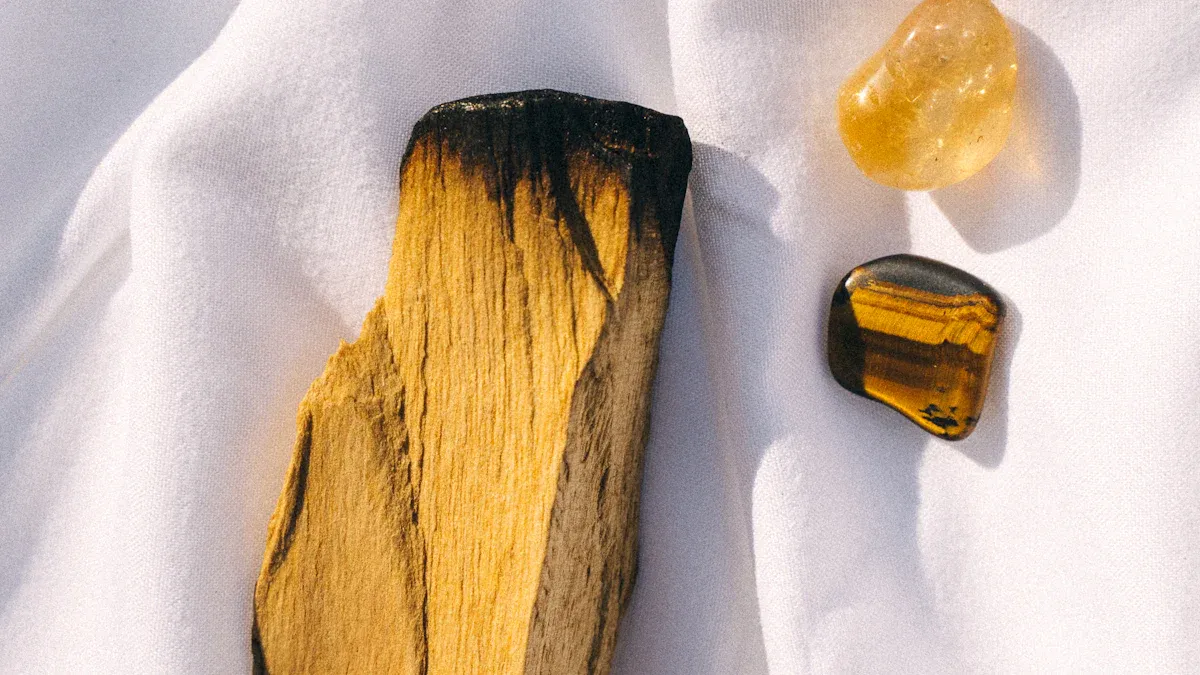
Heat-Treated Amethyst
Most citrine you see is not natural. Almost all citrine sold is heat-treated amethyst. Sellers use heat to change purple amethyst into yellow or orange. This makes a stone that looks like citrine but is not real.
You can spot heat-treated amethyst by checking for these clues:
The color often fades from dark orange or brown at the tip to white at the base.
The color may look too bright or uneven compared to real citrine.
The price is usually lower than real citrine.
The crystal may not have the special inclusions found in natural stones.
Many heat-treated stones come from broken geodes and look like "dog teeth."
Characteristic |
Natural Citrine |
Heat-Treated Amethyst |
|---|---|---|
Formation Process |
Forms naturally, rare, yellow to orange hues |
Starts as purple amethyst, heated to change color |
Color Differences |
Soft, even golden-yellow or orange |
Bright, uneven color with orange or brown |
Color Distribution |
Looks varied and natural |
Usually has a steady color pattern |
Buyers should look out for names like "Madeira citrine." This often means the stone is heat-treated. Taoism and Manifest only sells citrine that is checked by trusted temples.
Other Citrine Imitations
Fake citrine can be made from other things. The most common fakes are colored glass and synthetic quartz. These copies try to look like real citrine but are different.
Colored glass often has bubbles inside. Real citrine does not have bubbles.
Fake stones may look too bright or show stripes and spots.
Glass fakes feel heavier than real citrine of the same size.
Many fake crystals have perfect shapes. Real citrine has small differences.
Fake citrine costs much less than real stones.
Indicator |
Natural Citrine Characteristics |
Imitation Characteristics |
|---|---|---|
Color Consistency |
Even color all over |
Uneven color with stripes or spots |
Presence of Bubbles |
No bubbles unless it is an enhydro |
Bubbles mean dyed glass |
Color Variations |
Usually yellow to orange |
Very bright yellow for dyed quartz |
Locality |
Often from Brazil or Africa |
Unusual places may mean fakes |
Price |
Costs more because it is rare |
Cheap price is a warning sign |
When you compare real and fake citrine, check for these clues. Taoism and Manifest makes sure every stone is real and checked by temples.
Steps to Know if Your Citrine Is Real
Quick Checklist
Many people want easy ways to check their citrine. This checklist helps you find the main signs. Each point tells you what to look for in your crystal or jewelry.
Characteristic |
Description |
|---|---|
Color |
Natural citrine has even color, pale yellow to gold. |
Clarity |
Real citrine is clear, with few inclusions and no bubbles. |
Inconsistent coloring |
Fake stones might have stripes, spots, or uneven color. |
Bubbles |
Bubbles inside often mean dyed glass, not real citrine. |
Weird colors |
Colors like crayon yellow or burnt orange can mean a fake. |
You can use these steps to check your citrine:
Look at the color and clarity of your crystal.
Check for inclusions, but do not pick stones with bubbles.
Make sure the color is the same all over the stone.
Try to scratch glass with the stone. Real citrine should leave a mark.
Hold the stone in your hand. Real citrine feels cool and lighter than glass.
These steps help buyers avoid getting fake citrine. Real citrine jewelry usually costs more and has even, clear color.
Tip: Always check if the stone is see-through. Stay away from stones that look cloudy or have strange shapes.
When to Consult Taoism and Manifest or a Gemologist
Sometimes, home tests do not give a sure answer. If you want to be certain, ask Taoism and Manifest or a gemologist. Taoism and Manifest only sells citrine checked by temples. Each piece is looked at closely for realness and spiritual value.
A gemologist uses special tools to look for natural inclusions and color. They can tell if a stone is heat-treated amethyst or another fake. Most citrine sold today is treated, so expert help is important.
People who care about honesty and Taoist wisdom pick certified stones. Taoism and Manifest makes sure every crystal is real and meets high standards. This helps people feel safe and supports their spiritual path.
To find out if citrine is real, follow these steps. First, look at the stone in bright light. Make sure the color looks even and clear. Next, check if there are any inclusions inside. Do not pick stones that have air bubbles. You can use a loupe or microscope to see better. Taoism and Manifest only sells real, certified citrine. Real citrine can help you feel more confident about money. It can also help you think clearly and focus on your goals. People can enjoy these good effects and feel calm knowing their stone is real.
Pieces That Carry This Intention
A few pieces from the shop that sit close to what this article is about.


FAQ
What is the main color of real citrine?
Real citrine is usually pale yellow, golden, or soft orange. The color looks gentle and even. If the color is strong or patchy, it might not be real.
What makes citrine different from heat-treated amethyst?
Natural citrine forms in the ground with even color. Heat-treated amethyst starts purple and turns yellow or orange after heating. Treated stones often look too bright or have uneven color.
What should someone do if they cannot tell if their citrine is real?
Someone can ask a gemologist or Taoism and Manifest for help. Experts use special tools to see if the stone is natural and certified.
What are the signs of fake citrine?
Color is uneven or has a white base
Bubbles can be seen inside the stone
Yellow is very bright or looks fake
Feels heavy like glass
Shape looks perfect and molded