
How to live effortlessly with the Taoist art of doing less

Do you ever feel like life moves too fast and leaves you drained? Many people struggle with stress every day. In fact, 27% of adults say stress makes it hard to function most days. You might wish for a way to live effortlessly without burning out. Taoist wisdom, especially the idea of Wu Wei, shows you how to slow down and find ease. When you do less, you often find more balance and happiness.
Key Takeaways
Embrace Wu Wei, or effortless action, to match your actions with life’s natural flow. This way, you feel less stress and reach goals without fighting hard.
Let go of strict plans and expectations. Trusting life’s flow brings peace inside and helps you stay calm in tough times.
Notice signs of doing too much, like feeling tired or cranky. Listening to your body tells you when to slow down and rest.
Accept that things are not always perfect. This way of thinking helps you be kind to yourself, build better friendships, and be more creative.
Make your daily actions simple by focusing on what matters most. A simple routine lowers stress and helps you feel better emotionally.
Live Effortlessly with Wu Wei
Effortless Action Explained
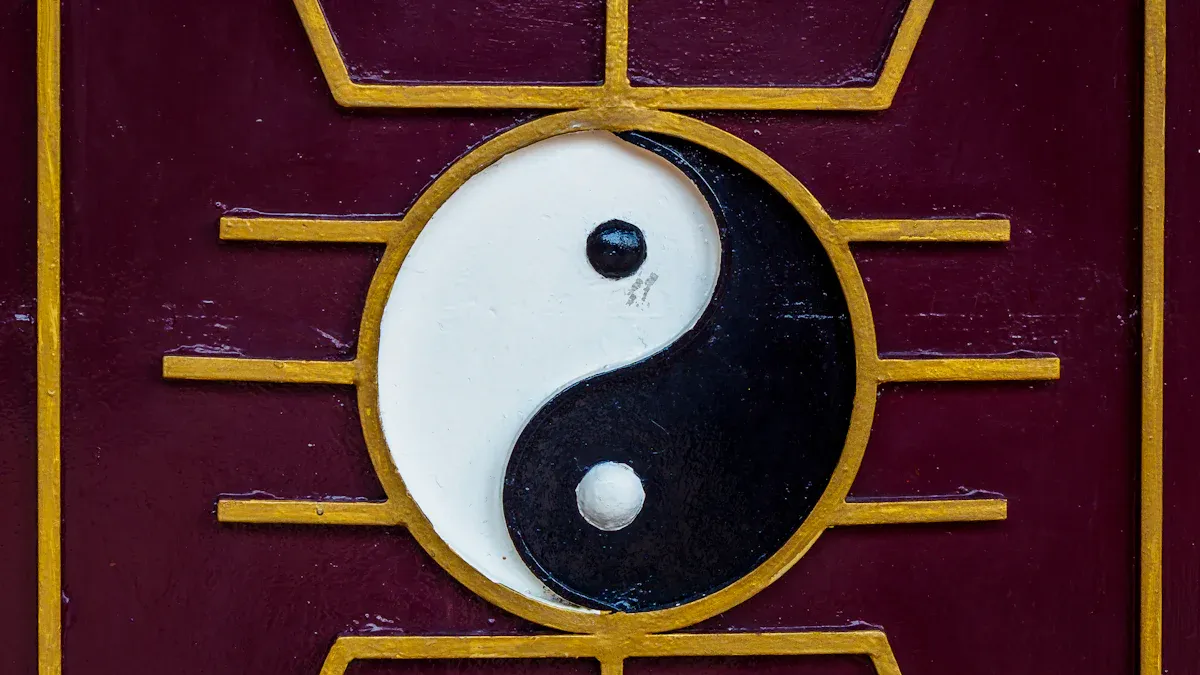
Wu Wei is a main idea in Taoist philosophy. (For a deeper understanding of the philosophy behind this concept, you can read our comprehensive guide, What is Taoism. )It means "effortless action" or "non-doing." Some people think it means doing nothing, but it is more than that. Wu Wei teaches you to act in a way that feels easy and natural. It is like water moving around rocks in a stream. You do not force things to happen. You go along with life instead of fighting it.
Taoist books say Wu Wei helps you reach goals without struggle. When you live this way, your actions match the natural flow of life. You do not push too hard or try to control everything. This helps you save energy and feel less stressed. Think about a musician who plays a song with joy and ease. That is what Wu Wei looks like.
Tip: If you notice you are forcing something, stop for a moment. Ask yourself, "Can I let this happen on its own?"
Wu Wei started in ancient China. Philosophers like Laozi and Zhuangzi helped shape this idea. Over time, Wu Wei became important for rulers and thinkers. Here is a quick look at how Wu Wei changed over time:
Evidence |
Description |
|---|---|
Influence of Shen Buhai |
Wu Wei may have been influenced by Shen Buhai, especially in governance. |
Role in Han Dynasty |
Han dynasty rulers used Wu Wei as "rule by non-activity." |
Co-opting of Legalism |
Early Taoists later adopted Wu Wei in government, after its Legalist roots. |
You can see how Wu Wei grew from a simple idea into a strong way to live, for both people and leaders.
Harmony with Life’s Flow
Living in harmony with life’s flow means you trust what happens. You let go of strict plans and big expectations. Taoist wisdom says that when you let go, you find more peace inside. You stop fighting what is happening and start working with it.
Taoist followers say this brings inner balance. They believe holding on to wants and ego causes stress. When you let go, you feel calm and connected to the world. You do not need to judge or control everything. You just respond to life as it comes.
Letting go of expectations brings inner peace.
Attachment and ego can block your connection to the Tao.
Real freedom comes from letting go of control.
Modern science agrees with these ideas. Studies show that living in harmony with your surroundings and accepting yourself brings more happiness. People who practice Wu Wei often feel a sense of flow and better focus. They become more flexible and handle problems more easily.
Psychological Benefit |
Description |
|---|---|
Mindfulness training helps you gain sharper attention. |
|
Sense of Flow |
Wu Wei can lead to a state where actions feel effortless. |
Adaptive Approach |
You become more flexible and resilient in daily life. |
Wu Wei and mindfulness both help lower stress, but they are different. Wu Wei is about moving with life’s flow. Mindfulness uses set techniques. Both can help you live with less effort, but Wu Wei cares more about the journey, not just the end result.
Aspect |
Wu Wei |
Mindfulness |
|---|---|---|
Approach |
Effortless action, aligning with nature |
Structured techniques for outcomes |
Focus |
Harmonizing with life’s flow |
Achieving goals like stress relief |
Immersion |
Complete immersion in experiences |
Observing thoughts and emotions |
Outcome Orientation |
Emphasizes the journey over results |
Aims for specific results through practice |
If you want to learn more about how old wisdom can help you find balance, check out our article on The Benefits of Mindful Living for Modern Life. It gives more tips on how to live with less effort and enjoy each moment.
When you stop trying to control everything, you open up to new things. You start to live with less effort, finding joy in the present and peace in the flow of life.
The Struggle of Overexertion
Signs of Doing Too Much
When you push yourself too hard, you get tired fast. You might feel worn out and lose interest in things you liked before. Small problems can make you upset or cranky. Your body may give you warning signs. You could have trouble sleeping, get headaches, or not feel hungry. These are signs you might be doing too much.
Here are some signs that show you are overdoing it:
You feel tired all the time, in your body and mind.
You stop liking things that used to make you happy.
You get annoyed or feel negative more often.
You might have headaches, trouble sleeping, or eat less or more.
You feel like you cannot do things well or feel hopeless.
You have no energy and feel worn out.
You do not do as well at school or work.
Your mood changes a lot, and you feel worried.
Your muscles hurt for days, or you feel pain.
You get sick more than usual.
If you see these signs, your body and mind want a break. Noticing how you feel helps you know when to slow down. When you understand your feelings, it is easier to choose to do less. If you want to learn more about letting go, read Taoism: The Art of Letting Go in Relationships, Peace, Acceptance & Growth.
Finding Balance in Effort
Finding balance means you act on purpose, not just keep going. Saving your energy helps you feel stronger and pay better attention. Doctors say that working too hard for a long time can mess up your hormones, make you get sick more, and cause worry or sadness.
Impact of Chronic Overexertion |
Description |
|---|---|
Hormonal Imbalances |
Changes in hormones like cortisol and testosterone can hurt your body and muscles. |
Suppressed Immune Function |
You might get sick more because your body cannot fight germs as well. |
Mental Health Issues |
You can feel cranky, worried, sad, or not sleep well if you overwork. |
You can use easy ways to get your balance back. Yoga, tai chi, and qigong use slow moves and breathing to help you relax. These activities help your mind take a break from stress. Deep breathing and thinking about calm places also help you feel better. When you choose to live with less effort, you let yourself rest and get your energy back.
How people think about work and rest depends on where they live. Some places value getting along with others and staying calm, which helps people relax. Other places may push people to work harder and feel more stress. You can learn from both and find what helps you most.
Tip: Pay attention to how you feel. If you are tired or stressed, stop and ask yourself what you need right now.
Practical Steps to Live Effortlessly
Letting Go of Control
Sometimes you want to control everything. This can make life hard and stressful. Taoist teachings say you should trust life’s flow. When you stop forcing things, life feels easier.
Here are some ways to let go of control:
Notice when you try to control things. Pause and try to let go.
Ask yourself if letting go makes you feel free. Use that feeling to help you decide what to do next.
Let people and things be themselves. You do not have to fix them.
Imagine you are in a boat going against the river. Now picture letting go and floating with the water. This helps you feel what it is like to surrender.
Think about your fears. Ask yourself what you think will happen if you let go. Is that fear real?
"To be a great leader, you must follow the Tao first. War can be won with smart moves, but loyalty comes from not-doing. Give up control and the world will take care of itself."
Taoist wisdom says letting go of control helps you drop ego and wants. This brings a peaceful mind and helps you enjoy now. You feel lighter and ready for new things.
Adapting to Imperfection
No one is perfect. Everyone makes mistakes. Taoist teachings say accepting imperfection helps you grow and feel happier. When you stop chasing perfection, you feel less stress.
Accepting your flaws helps you in many ways:
You are kinder to yourself.
Your mental health gets better. You feel less worried and sad.
You build stronger friendships. People like when you share your struggles.
You become more creative. You try new things without fear.
Sarah’s story shows this. She used to feel bad because she wanted to be perfect. She started to question her thoughts and be kinder to herself. Over time, Sarah felt less stressed and her friendships got better.
Here are more ways accepting imperfection helps you:
You see yourself as whole, which boosts your self-esteem.
You let go of high expectations, so you feel happier.
You get more done because you worry less about mistakes.
Your flaws help others relate to you. Sharing mistakes helps people open up.
When you admit mistakes, you teach kids how to handle failure and grow.
Asking for forgiveness makes your bonds with others stronger.
When you accept imperfection, life feels easier. You stop fighting yourself and start enjoying life.
Simplifying Daily Actions
Life can be busy and confusing. Taoist ideas show you how to make things simpler. When you focus on what matters, you feel calm and happy.
Try these steps to make your day simpler:
Clean up your space a little at a time. Pick one small spot each week.
Limit digital distractions. Set times to check email and social media.
Focus on important things. Do what matters and skip busywork.
Make peaceful spaces at home for quiet time and rest.
"When learning, you add something every day. In Tao practice, you drop something every day. You need to force less and less, until you reach non-action. When nothing is forced, nothing is left undone."
Wu Wei means you act smoothly and thoughtfully. You do not fight or push things. If you notice you are struggling, pause and ask if you can do it with less effort.
Making your routine simple brings many good things:
Benefit |
Description |
|---|---|
Simple routines lower stress and worry, so you feel more in control. |
|
Improved Focus |
Fewer tasks help you think clearly and pay better attention. |
Enhanced Emotional Well-Being |
A simple day brings peace and happiness, helping your feelings. |
Greater Fulfillment |
Doing what matters makes life feel more rewarding. |
For a practical guide on applying this simplicity to your home and possessions, explore Minimalist Living Through the Lens of Taoism.
You make space for mindfulness and gratitude. These habits help you manage your feelings and enjoy what you have.
Many wellness routines use Taoist practices. You can add meditation and mindfulness to your day. Try mindful eating or pay attention to your senses. Movement practices like Tai Chi and Taoist yoga use gentle moves to connect your body and mind.
When you respond instead of forcing things, you make better choices. Planning for different situations shows that being flexible leads to better results. You learn to adapt and act with ease.
If you want more tips on living effortlessly, check out The Benefits of Mindful Living for Modern Life.
You can live with less effort by using Wu Wei and doing less. When you follow the Tao, you feel less stress. You trust your gut more and feel closer to others. Try changing how you think. Focus on what you really need. Let go of trying to be perfect. People who try these ideas feel happier. They also have fewer regrets.
Remember, small steps help a lot. Pause and notice your energy. Trust your gut feelings. You do not have to change everything now. Start with one small thing. See if life feels easier.
Follow the Tao for easy actions.
Change your thinking from giving up to having enough.
Use mindfulness and acceptance every day.
Pieces That Carry This Intention
A few pieces from the shop that sit close to what this article is about.


FAQ
What does Wu Wei mean for daily life?
Wu Wei means you act without forcing things. You let life happen and respond naturally. You save energy and feel less stressed.
How can I start doing less without feeling lazy?
You can start by focusing on what matters most. Try to drop tasks that do not help you. Use short breaks to rest your mind.
Is it okay to make mistakes while practicing Wu Wei?
Yes! Mistakes help you learn and grow. Taoist wisdom says you do not need to be perfect. You can accept your flaws and keep moving forward. Everyone makes mistakes, and that is part of life.
Can I use Wu Wei at work or school?
You can use Wu Wei anywhere. Try to do tasks with less stress. Focus on what you can control and let go of what you cannot. You will feel calmer and get more done.
What if people around me do not understand this way of living?
You can share your experience and show how it helps you. People may notice your calm and want to learn more. If they do not understand, that is okay. You can still choose what works best for you.