
How to Build a Daily Meditation Routine Inspired by Taoism

Are you hoping to start a daily meditation routine inspired by Taoism? You don’t need special skills or fancy equipment. Taoist meditation helps you find calm, balance, and inner peace.
Take it slow and be kind to yourself. You can shape this habit in a way that fits your life and feels natural.
Key Takeaways
Begin with only five minutes of meditation each day. Add more time when you feel ready.
Pick a time and place that feels right for you. Meditating in the morning can help you make it a habit.
Make a simple goal before you start each session. This helps you know why you are meditating and keeps you focused.
Change your routine if you need to. Make your meditation fit your life and what you need.
Be proud of your progress, even if it is small. Every step you take in meditation helps you feel better.
What Is Taoist Meditation?
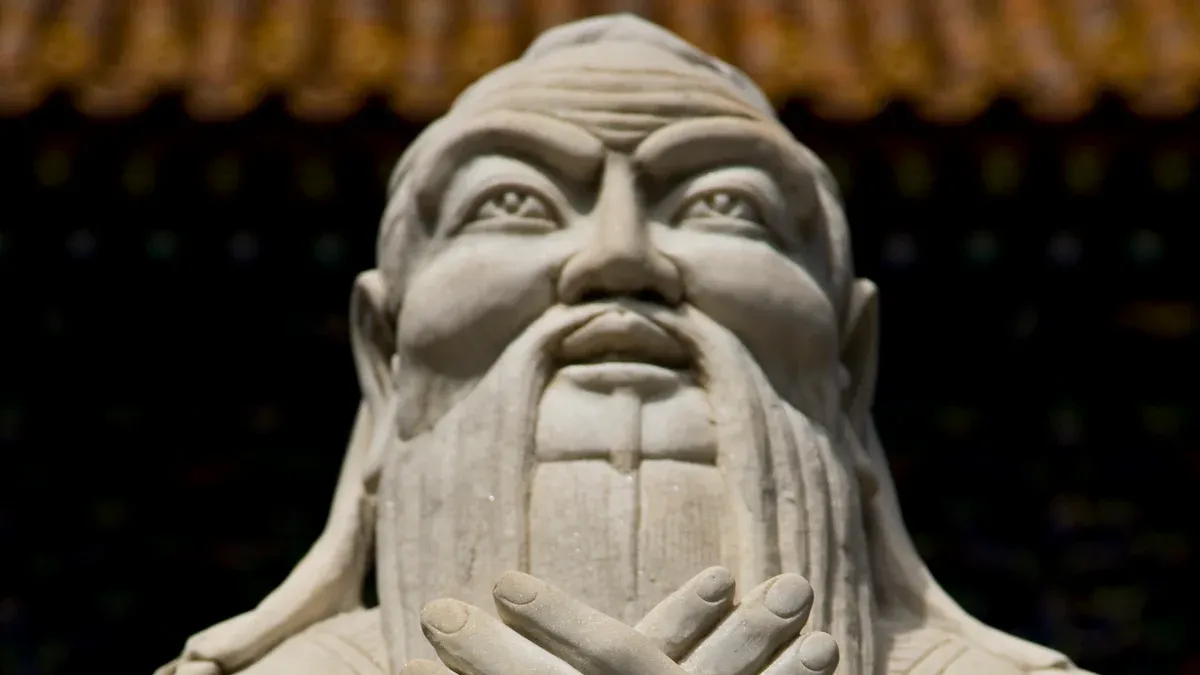
Core Principles and Goals
Taoist meditation helps you feel connected to life. (For a deeper understanding of the philosophy behind this practice, you can explore The Core Principles of Taoism.) You try to live in harmony with the Tao. This means you want balance and peace. You practice being mindful and letting go of stress. Taoist meditation is different from other types. It teaches you to accept changes instead of fighting them.
Here are some main things about Taoist meditation:
You follow Taoist ideas and look for harmony with the Tao.
You use breathing and pictures in your mind to connect with nature and your energy.
You do gentle movements, like qigong or tai chi, to help your body stay healthy.
You practice 'wu wei,' which means doing things easily and going with the flow.
The goals of Taoist meditation match its ideas. You want to feel calm and natural. You learn to act without forcing things. You try to live in the moment and accept change. These ideas help you make a daily meditation routine that feels simple and easy.
Taoist meditation has a long history.
Source |
Description |
|---|---|
Huangting jing |
Talks about inner gods and spirits. Uses pictures in your mind and light. |
Xishengjing |
Teaches 'no mind' and watching simply. It is influenced by Buddhist ways. |
Baopuzi |
Explains 'guarding the One' meditation and magical powers. |
Historical references |
Meditation in China started during the Warring States period. |
You do not have to sit cross-legged like in Buddhist meditation. Taoist meditation lets you line up your body so energy, or chi, moves easily between earth and sky.
Benefits for Mind and Body
Taoist meditation is good for your mind and body. You may feel calmer and able to focus better. Studies show Taoist meditation can change your brain waves. This helps you relax and pay attention. You might feel less stressed and more awake.
Your body can get healthier, too.
Health Improvement |
Description |
|---|---|
Pain Relief |
Tai Chi helps with pain, even if it lasts a long time. |
Enhanced Flexibility |
Stretching deeply makes you more flexible. |
Practicing often helps you balance, especially if you are older. |
|
Increased Muscle Strength |
Tai Chi makes your muscles stronger, especially in your legs. |
Overall Health Benefits |
It helps with stress, anxiety, and pain that does not go away. |
You can have better balance, flexibility, and strength. These changes make everyday life easier and more fun. If you want to know how movement helps meditation, read "The Benefits of Tai Chi for Beginners" for more ideas.
A daily Taoist meditation routine can help you feel peaceful, balanced, and healthy. You do not need to be perfect. Start small and see how you feel.
Building Your Daily Meditation Routine
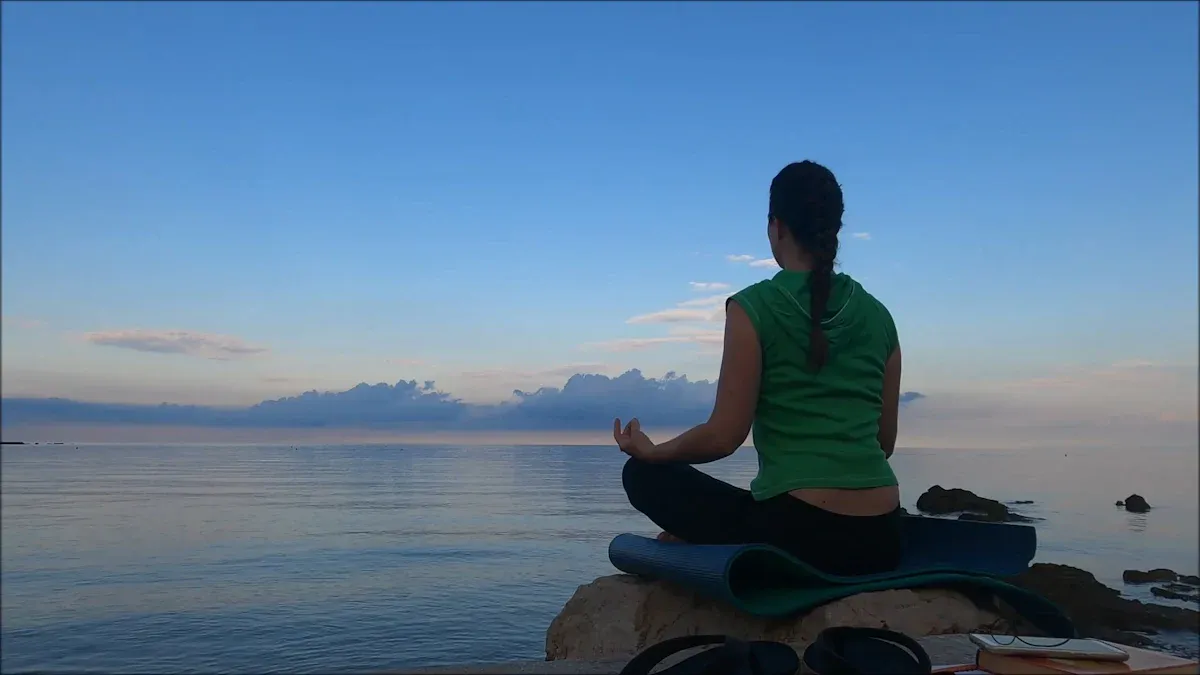
Choosing Time and Place
You want your daily meditation routine to feel easy and natural. The best way to start is by picking a time that fits your life. Many people find that mornings work well. You wake up, and your mind feels fresh. Morning meditation helps you build a habit that sticks. Research shows that people who meditate in the morning are more likely to keep going over time. If you miss a morning, you can always try later in the day. Flexibility helps you stay on track.
Think about where you feel calm. Some people like a quiet corner at home. Others enjoy sitting outside, listening to birds or feeling the breeze. Taoist tradition says that natural settings help you connect with your surroundings. You can even change your spot with the seasons. Try to find a place where you will not be disturbed. You do not need a special cushion or mat. Just make sure you feel comfortable.
Here are some tips to help you get started:
Start small. Try five minutes a day and add more time as you feel ready.
Pick a time that works for you. Mornings are great, but any time is okay.
Link meditation to another habit, like after brushing your teeth or before breakfast.
Choose a spot that feels peaceful, inside or outside.
Sit or lie down in a way that feels good for your body.
Tip: If you miss a day, do not worry. Just start again when you can. Your daily meditation routine should feel gentle, not strict.
Morning Meditation Benefits
Morning meditation gives you a strong start to your day. When you meditate early, you set a calm tone for everything that follows. Studies show that morning meditation helps you stick with your practice longer. People who meditate in the morning are less likely to stop their routine. Even a small increase in morning sessions can help you keep going for months.
You might notice that your mind feels clearer after morning meditation. Your mood can improve, and you may feel more balanced. Scientists found that meditation in the morning boosts activity in the part of your brain that helps you focus and stay calm. It also lowers stress by calming the part of your brain that handles fear and worry.
Here is a table that shows some benefits of morning meditation:
Benefit |
What Happens |
Why It Matters |
|---|---|---|
Mental Clarity |
Brain feels sharper |
Helps you make better choices |
Emotional Stability |
Mood improves, stress drops |
You feel more balanced all day |
Habit Building |
Easier to keep your routine going |
Long-term success with meditation |
Positive Outlook |
More energy and happiness |
Life feels brighter and more hopeful |
Note: Evening meditation can help you relax after a busy day. You can try both and see what feels best. The most important thing is to keep your daily meditation routine going.
Setting Intentions
Setting an intention gives your meditation purpose. Before you start, take a moment to think about what you want from your practice. Maybe you want to feel calm, let go of stress, or just enjoy a quiet moment. In Taoist meditation, clear intentions help you focus and go deeper.
You can use simple techniques to set your intention:
Think about your goal for this session. Do you want peace, energy, or healing?
Notice how you feel. Connect your emotions to your breath or body.
Imagine letting go of worries as you breathe out.
Try the "dissolving process." Focus on any tension in your body and picture it melting away.
Mindfulness means living with conscious intention. When you know why you meditate, your practice feels more meaningful.
You do not have to set a big goal every time. Some days, your intention might be as simple as "I want to sit quietly." Other days, you may want to focus on healing or gratitude. The key is to listen to yourself and let your intention guide you.
Adapting Your Routine
Everyone's life looks different. Your daily meditation routine should fit your needs. If mornings feel too rushed, try lunchtime or evening. If you have kids or a busy home, find a few quiet minutes when you can. You can meditate sitting, lying down, or even while walking. The most important thing is to keep going, even if you miss a day.
Here are some ways to make your routine work for you:
Be flexible. Change your time or place if you need to.
Get comfortable. Use a chair, cushion, or even your bed.
Reflect on how you feel after each session. Notice any changes in your mood or energy.
Celebrate small wins. Every session counts.
A steady daily meditation routine brings long-term benefits. You may notice better focus, more emotional balance, and a greater sense of well-being. Over time, these small changes can shape your whole life.
Taoist Meditation Techniques
Mindful Breathing
You can begin meditation by focusing on your breath. In Taoist practice, you let your breath move on its own. You do not force or count your breaths. Just notice the air as it goes in and out. (This practice is a powerful method for calming the nervous system; for more techniques, see How to Reduce Stress with Mindfulness Meditation.) This helps you feel calm and stay in the moment. Taoist breathing is not like other types. You try to find balance and act without effort. This is called Wu Wei. You do not control your breath. You simply let it be.
Aspect |
Mindfulness |
Taoist Presence |
|---|---|---|
Approach |
Structured techniques |
Natural flow |
Focus |
Observing experiences |
Immersing in experiences |
Goal |
Specific outcomes |
Harmony with the natural way |
Practice Style |
Formal meditation sessions |
Everyday integration |
Core Principle |
Conscious awareness |
Effortless action (Wu Wei) |
Emptiness Meditation
Emptiness meditation helps you clear your mind. You focus on one thing and let other thoughts fade away. Taoist books say,
“Set your heart and mind on the One... The ch’i is empty. Being so, it is able to attend upon all phenomena. Tao comes to roost in emptiness. This emptiness is the fasting of the mind.”
New studies show emptiness meditation can help your mind. You may feel more aware and less stressed. Strong inner strength can protect you from bad feelings.
Findings |
Description |
|---|---|
Indirect Effect |
Feeling empty can change your mood, but meditation makes you stronger inside. |
Protective Factors |
Inner strength helps you avoid harmful choices. |
Neiguan (Inner Observation)
Neiguan means looking inside yourself. You pay attention to your body, feelings, and thoughts. You do not judge or try to change anything. You just watch what happens. Here is how you can try it:
Scan your body for any feelings.
Notice your emotions as they come and go.
Watch your thoughts float by like clouds.
Find a quiet stillness inside.
Neiguan can help you feel less worried and help your heart. Studies show it helps your mood and memory, too.
Benefit |
Description |
|---|---|
Anxiety Relief |
Helps you feel less anxious. |
Cardiovascular Health |
Makes your heart and blood flow better. |
Overall Well-being |
Supports your mind and memory. |
Gentle Movement and Qigong
Gentle movement and Qigong are important in Taoist meditation. You move slowly and breathe deeply. This connects you with your life force energy. Qigong uses postures, breath, and intention. It helps you feel steady and peaceful. Many people use Qigong to lower stress and improve balance.
Qigong helps people with arthritis, depression, and high blood pressure.
It helps with sleep and memory.
You may notice better balance and less chance of falling.

You can add these techniques to your daily meditation routine. Try each one and see which feels best for you.
Living Taoist Principles Daily
Simplicity and Balance
You can use Taoist ideas in your life by choosing simple things and balance. Taoism teaches you to slow down and enjoy each moment. Instead of hurrying, you can stop and see what feels right. Try to pay attention to what matters most. You do not have to fill your day with too many things. When you pick quality over how much you do, you feel more peaceful.
Here’s a table that shows how Taoist-inspired balance is different from regular productivity:
Aspect |
Traditional Productivity |
Taoist-Inspired Balance |
|---|---|---|
Work Pace |
Nonstop hustle |
Alternating activity with rest |
Focus |
Maximizing output quantity |
Prioritizing quality and purpose |
Success Metrics |
External accomplishments |
Internal harmony and steady growth |
You can use this way at work, at home, or when you meditate. When you balance doing things with resting, you give yourself time to grow.
Practicing Presence and Wu Wei
Taoism tells you to live in the present. Practicing Wu Wei means acting easily and letting things happen on their own. You do not try to force things. Instead, you trust how life goes. This helps you feel calm and aware.
Practicing Wu Wei brings peace inside and helps you live mindfully.
You build trust and connect better with others.
Listening and thinking before you answer helps stop fights.
You feel happier and more fulfilled when you let go.
Not acting can sometimes solve problems best.
You start to see yourself grow as you practice Wu Wei.
Try to notice your breathing, your thoughts, and your feelings. Let go of wanting to control everything. Life feels easier when you practice being present.
Reflecting and Adjusting Your Routine
Thinking about your routine helps keep it fresh and special. You can use easy tools to track how you are doing and feeling.
Writing in a journal helps you see your growth. Try bullet journaling or weekly sheets to reflect.
Setting an intention in the morning and reviewing at night helps you stay aware.
Drawing or making music can show your journey in new ways.
Take time each week to see what works and what is hard. Change your routine if you need to. Celebrate your progress, even if it is small. This gentle way helps you keep your habit for a long time.
You can begin your daily meditation by spending a few minutes. Choose a time and place that feels good. Set a simple intention before you start. Let yourself relax and breathe slowly. Taoist meditation helps you change your energy. It teaches you to handle problems with patience. When you practice, you may feel healthier. Your thoughts can get clearer. You might see life in a more positive way.
Benefit |
How It Helps You |
|---|---|
Reduces stress and helps you sleep well |
|
Mental Clarity |
Makes it easier to focus and remember |
Spiritual Balance |
Gives you peace and helps you be mindful |
Celebrate each small step. Anyone can start and improve with this gentle habit.
Pieces That Carry This Intention
Beads meant to be handled while you practice, not just worn.


FAQ
How long should you meditate each day?
You can start with five minutes. If you feel comfortable, add more time. The most important thing is to practice every day. Even short sessions help you build a strong habit.
Can you meditate lying down or standing up?
Yes! You can sit, lie down, or stand. Taoist meditation lets you choose what feels best for your body. Try different positions and see which one helps you relax.
Do you need special equipment for Taoist meditation?
No, you do not need anything fancy. You can use a chair, cushion, or just sit on the floor. (However, some practitioners find that a simple tool can help maintain focus; for a practical guide, see How to Use a Taoist Prayer Bracelet for Meditation.) Wear comfortable clothes. The goal is to feel relaxed and natural.
What if your mind keeps wandering?
It is normal for your mind to wander. When you notice it, gently bring your attention back to your breath or body. Do not judge yourself. Every time you return, you strengthen your focus.