
How to Choose the Right Prayer Beads for Your Spiritual Practice

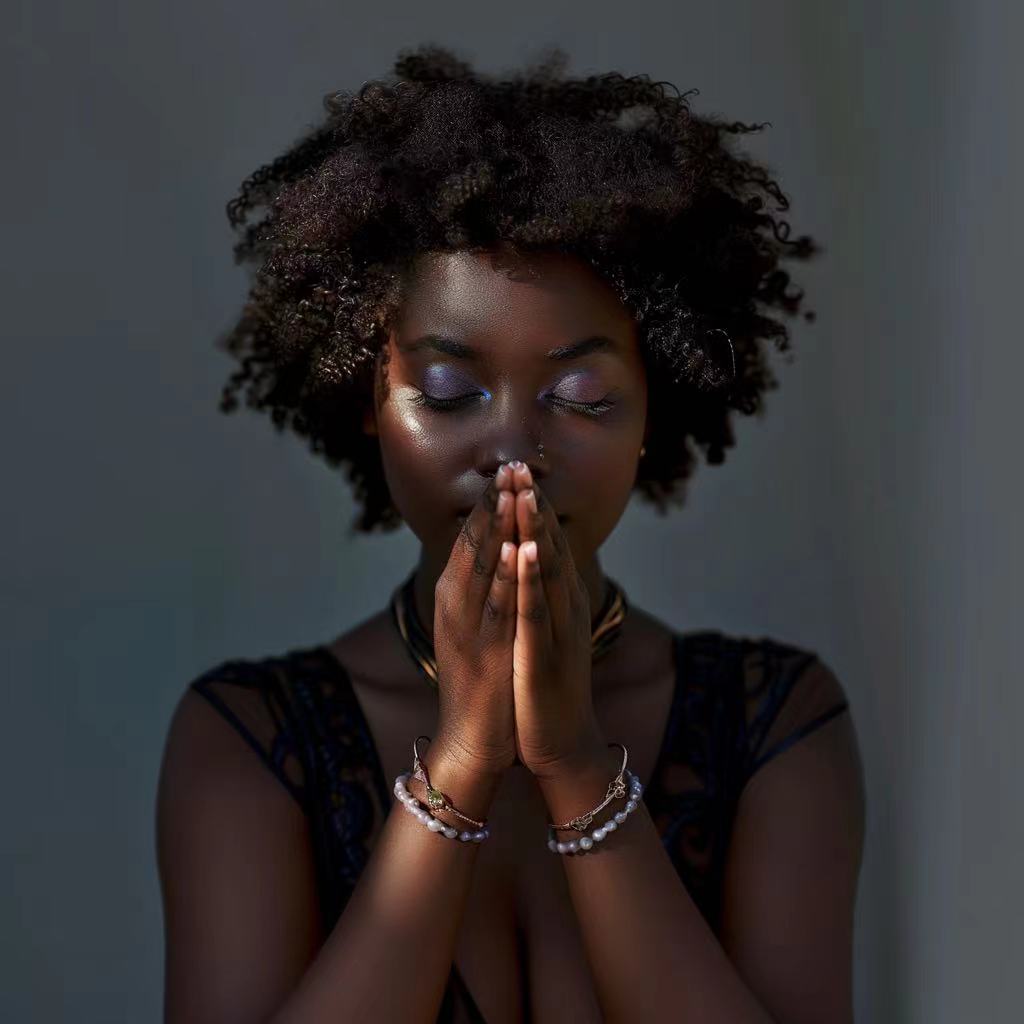
When you look for peace or seek a deeper connection during your spiritual practice, the right beads can make a big difference. More than 65 percent of people worldwide have turned to prayer beads, worry beads, or a mala for comfort and focus. You might find that holding a mala brings peace, strength, and a soothing sense of calm. The gentle sound, the feel of each bead, and even the scent from certain beads can help guide your mind. Take a moment to reflect on what brings you peace. As you Choose the Right Prayer Beads, think about your intention, the tradition you follow, the materials you love, and how you plan to use your mala. Your journey with mala beads is personal, and your choice should feel just right for you.
Key Takeaways
Think about your goal before picking prayer beads. Decide if you want to meditate, pray, or focus.
Pick beads that match your spiritual tradition. Each religion has its own style and meaning for prayer beads.
Choose materials that feel right to you. Wood, gemstones, and seeds give different feelings and energies.
Make sure your beads are comfortable and special to you. They should feel nice in your hands and help you every day.
Clean and take care of your prayer beads often. This keeps their energy strong and helps your spiritual practice.
What Are Prayer Beads
Significance in Spiritual Practice
Prayer beads have been important for spiritual practice for a long time. When you hold a string of beads, your hands stay busy. This helps your mind pay attention. Many people feel calm as they move from bead to bead. This simple movement can help you stay focused during meditation or prayer. (To appreciate their full significance, it helps to explore their origins; our article on What is the History Behind Prayer Beads offers a fascinating look.)
Did you know? Saying prayers or mantras with beads can help you feel closer to your goals and bring peace.
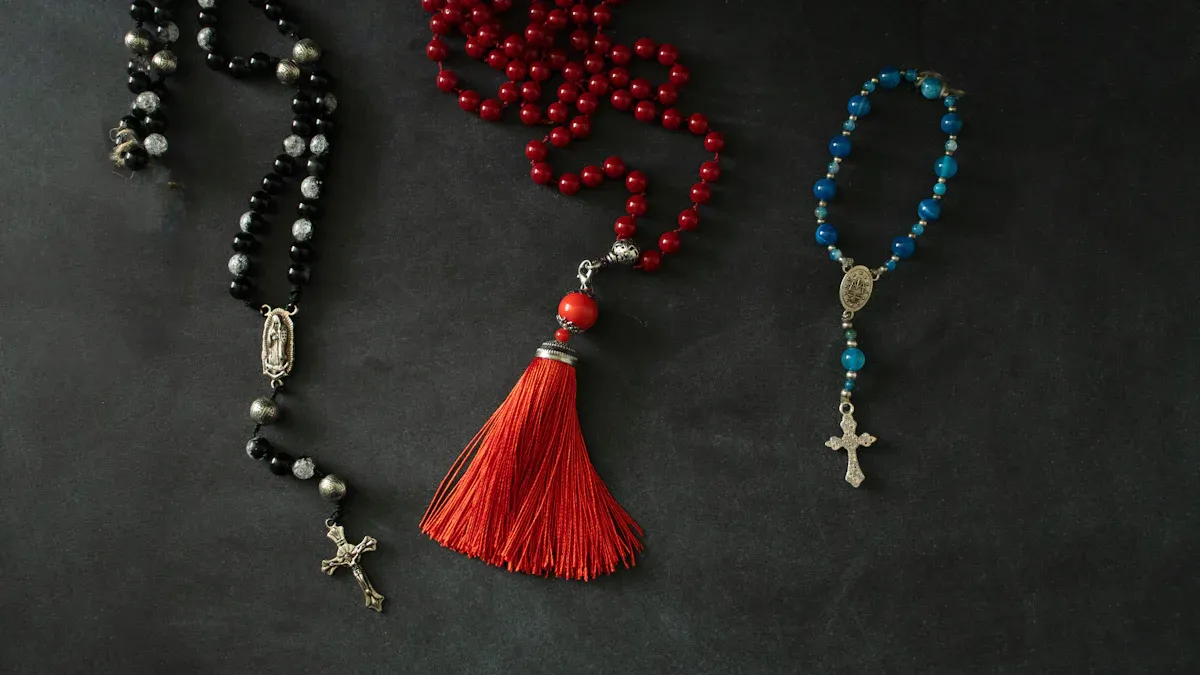
Different religions use prayer beads in their own ways. In Buddhism and Hinduism, people use mala beads to count mantras or breaths. Christians use rosaries to think about Jesus and guide their prayers. In Islam, misbahah or tasbih beads help people remember the names and qualities of Allah. Some African traditions use beads for telling stories and honoring ancestors.
Religion |
Significance |
Materials Used |
|---|---|---|
Buddhism |
Used for meditation and counting chants, often made of 108 beads. |
Wooden, glass, seeds |
Christianity |
Rosaries help reflect on the life of Jesus and guide prayer. |
Various materials |
Hinduism |
Mala beads assist in meditation and chanting, often made of 108 beads. |
Seeds, gemstones |
Islam |
Tasbih beads represent devotion and are used for Dhikr and personal prayers. |
Often 99 beads |
Common Types and Traditions
There are many kinds of prayer beads in the world. Each tradition has its own look and meaning.
Mala Beads: These usually have 108 beads. People use them in Hinduism and Buddhism for meditation and chanting.
Rosary Beads: These have 59 beads. Christians use them to count prayers and think about important events.
Misbaha or Tasbih: These often have 99 or 33 beads. Muslims use them to remember the names of Allah.
Traditional African Beads: People use these for telling stories and honoring ancestors.
Here are some common types and their traditions:
Type of Bead |
Tradition(s) |
|---|---|
Wooden Beads |
Islamic, Buddhist |
Glass Beads |
Various, often in Christian use |
Gemstones |
Various, including healing beliefs |
Seeds and Nuts |
Hindu, Buddhist |
Rosaries |
Christianity |
Mala Beads |
Buddhism, Hinduism |
Traditional Beads |
Traditional African Religions |
Prayer beads come in many shapes, sizes, and materials. You can pick a set that feels good in your hand or matches your style. No matter which type you choose, these beads can help you focus, relax, and grow in your spiritual journey.
How to Choose the Right Prayer Beads
Clarify Your Intention
Before you choose the right prayer beads, take a moment to think about your spiritual goals. Ask yourself why you want to use prayer beads. Do you want to focus on meditation, count mantras, or deepen your prayer? Your intention shapes your experience.
Here are some important things to consider when you clarify your intention:
Religious or Spiritual Tradition: Pick beads that match your faith or practice. For example, a mala fits well with Hindu or Buddhist traditions, while a rosary suits Christian prayer.
Bead Material: Think about what feels right for you. Wood can help you feel grounded. Crystals may bring special energy to your practice.
Number of Beads: The number of beads matters. A mala often has 108 beads, which is special in many traditions. Other types, like the Islamic tasbih, have 99 or 33 beads.
Size and Weight: Make sure the beads feel comfortable in your hands. You want to enjoy using them every day.
Personal Aesthetics: Choose colors and designs that you find beautiful.
Intention and Purpose: Decide if you want beads for meditation, prayer, or another purpose.
Tip: When you choose the right prayer beads, let your heart guide you. The right set will support your spiritual journey.
Consider Tradition and Style
Tradition plays a big role when you choose the right prayer beads. Each faith and culture has its own style and meaning. You might want to honor your background or explore a new tradition. (For a deeper dive into the symbolism across cultures, read Understanding Prayer Beads: Their Historical Roots and Symbolic Meanings.)
Islamic Tasbih: Usually has 99 beads, sometimes 33 for shorter prayers. Used to remember the names of God.
Catholic Rosary: Has a special pattern with different beads for each prayer. Focuses on the Holy Trinity and the life of Jesus.
Hindu Mala: Often has 108 beads and a guru bead. Used for repeating mantras.
Buddhist Mala: Also has 108 beads. People use it for meditation and chanting.
Anglican Prayer Beads: Contains 33 beads in four groups of seven. Used for various prayers.
Orthodox Prayer Rope: Made with knots instead of beads, often 33, 50, or 100 knots.
Tradition |
Structure |
Use |
|---|---|---|
Orthodox Prayer Rope |
33, 50, or 100 knots |
Repetition of the Jesus Prayer |
Anglican Prayer Beads |
33 beads in four groups of seven |
Various prayers and meditations |
Hinduism: Japa Mala |
108 beads plus one guru bead |
Recitation of mantras, meditation on deities |
Buddhism: Mala |
108 beads, materials vary |
Counting mantras or breaths during meditation |
Sikhism: Mala |
Similar to Hindu mala |
Reciting names of God |
Baha'i Faith: Prayer Beads |
95 beads |
Recitation of the Greatest Name of God 95 times daily |
When you choose the right prayer beads, think about the tradition that speaks to you. The style and structure can help you feel connected to your faith or spiritual path.
Materials and Colors
The material of your prayer beads can change how you feel during practice. Some people love the feel of wood, while others prefer the cool touch of gemstones. Each material carries its own meaning.
Wood: Brings grounding and a sense of nature.
Seeds and Nuts: Symbolize growth and new beginnings.
Gemstones and Crystals: Each stone has its own energy. For example, amethyst can help with calm, while rose quartz brings love.
Bone and Ivory: Remind you of the cycle of life.
Metal: Stands for strength and protection.
Glass and Ceramic: Can show off beautiful designs and symbols.
Bodhi Tree Wood: Very special in Buddhist malas, linked to Buddha’s enlightenment.
Color also matters when you choose the right prayer beads. Each color can support your intention.
Red beads give you strength and passion.
Blue beads help with calm and clear communication.
Purple beads boost your intuition and spiritual growth.
Green beads bring healing and abundance.
White beads stand for purity and clarity.
Note: The color of your mala can anchor your mind to your meditation purpose. A calming blue can help you find peace, while a bright red can give you energy and confidence.
Comfort and Personal Connection
Comfort is key when you choose the right prayer beads. You want beads that feel good in your hands. The size, weight, and texture should make you want to use them every day.
Prayer beads offer a soothing feeling when you touch them.
The right mala fits your hand and feels natural.
Materials can hold special meaning for you or your family.
Many people say that a personal connection with their mala makes their practice deeper. The act of moving from bead to bead helps you focus and brings a sense of calm. Each bead can mark a step in your spiritual journey.
When you choose the right prayer beads, trust your feelings. If a mala feels right, it will help you stay mindful and present. The right beads can turn every prayer or meditation into a special moment.
How to Choose a Mala
Mala Bead Count and Structure
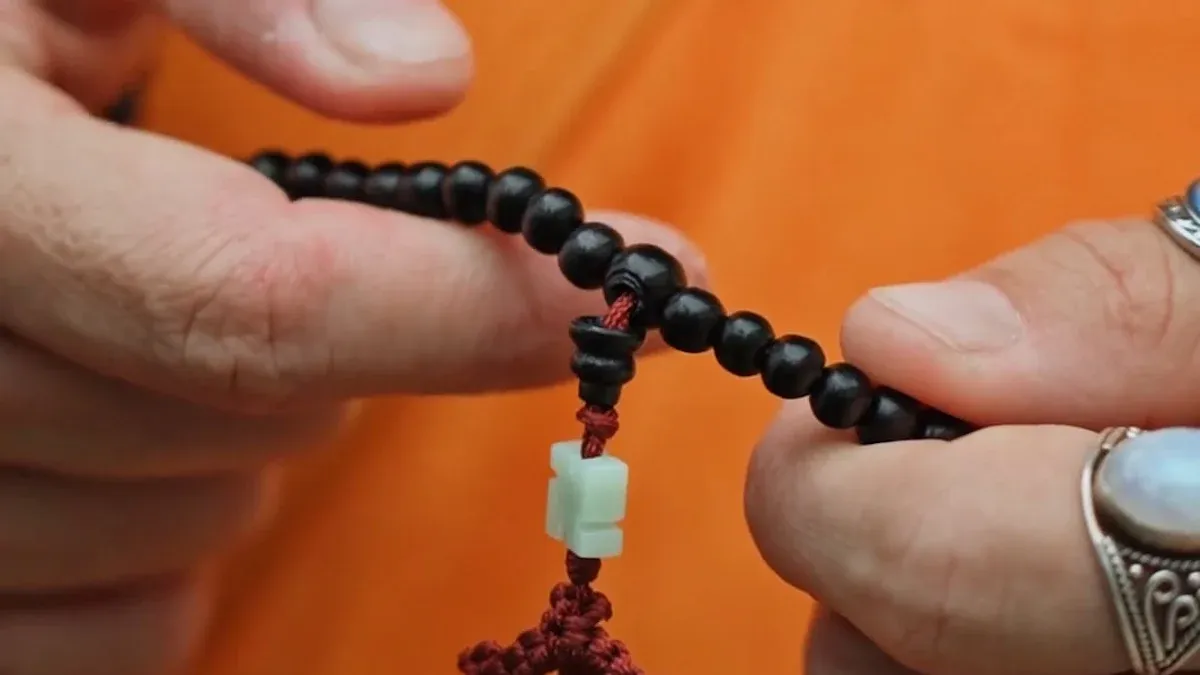
When you start learning how to choose a mala, you might notice that most malas have 108 beads. This number is not random. In Hinduism, 108 stands for the Upanishads, the names of deities, and the energy channels at your heart. In Buddhism, 108 beads help you remember the 108 earthly desires you want to overcome. The guru bead sits at the end of the mala. This bead honors your teacher and reminds you of the divine.
Here’s a quick look at what these numbers mean:
Aspect |
Significance |
|---|---|
Number of Beads |
108 is sacred in Hinduism and Buddhism, symbolizing spiritual concepts. |
Hinduism |
108 Upanishads, names of deities, energy channels at the heart chakra. |
Buddhism |
108 earthly desires to transcend, Buddha’s teachings. |
Guru Bead |
Represents the student-teacher bond and the divine. |
Some malas have 27, 54, or 21 beads. These smaller malas help you practice when you want something more portable. The most important thing is to use your mala with consistency.
Selecting Mala Materials
When you wonder how to choose a mala, think about the materials. Each one brings its own energy. Sandalwood smells sweet and helps you feel grounded. Rudraksha seeds are famous for their spiritual power. Bodhi seeds remind you of enlightenment. If you want compassion, try rose quartz. Amethyst helps with clear thinking. Tiger’s eye gives you grounding, and jade brings harmony.
Sandalwood: Aromatic, grounding.
Rudraksha seeds: Spiritual, healing.
Bodhi seeds: Enlightenment, connection.
Rose quartz: Compassion.
Amethyst: Clarity.
Tiger’s eye: Grounding.
Jade: Harmony.
Pick a mala that matches your intention. If you want a Tibetan mala, you might see bone, turquoise, or coral beads. These are traditional and carry deep meaning. Your personal connection matters most. Let your energy guide your choice.
Using and Cleansing Your Mala
If you want to know how to use a mala, start by holding it in one hand. Let it drape over your fingers. Place two fingers on the bead next to the guru bead. Take a deep breath in and out. Move to the next bead and repeat. When you reach the guru bead, pause. If you want to continue, turn the mala around and go back the other way. Many people use mantras like “Om” or create their own, such as “I am calm.” (Once you've chosen your beads, our guide on How to Use Prayer Beads for Enhanced Meditation Techniques will help you develop your practice.)
To keep your mala’s energy clear, try these cleansing methods:
Wrap your mala in cloth and bury it in soil for a few hours.
Place it under moonlight during a full or new moon.
Pass it through sage or palo santo smoke.
Imagine a bright light washing over your mala.
A Tibetan mala often uses these same steps. Regular cleansing keeps your mala ready for your next meditation or prayer.
Care and Maintenance
Durability and Everyday Use
You want your mala to last a long time. If you use it every day, it needs to be strong. The string that holds the beads is very important. Some malas use a special string that is stronger than steel. This string is light and does not break easily. It can handle rubbing from gemstones and does not get weak from water or sun. Your mala will stay together even if you use it a lot.
The beads are important too. Gemstones, sandalwood, and rosewood all have their own feel. Handmade malas may look a little different from each other. This makes each one special. Careful work keeps malas looking nice and strong. If you store your mala the right way, the string will not get bent. Your mala will look new for a long time.
Tip: When you pick a mala, look at the string and beads. A good mala feels strong and smooth in your hands.
Here are some ways to keep your mala strong:
Choose a mala with a tough, bendy string.
Do not use beads with sharp edges that can cut the string.
Store your mala so it does not get twisted or bent.
Cleaning and Storing Prayer Beads
Keeping your mala clean helps it work well and feel fresh. You can clean it with smoke from white sage. Hold your mala over the smoke and let it touch all the beads. If you do not have sage, you can use incense like frankincense or sandalwood. Say a prayer or kind words while you clean your mala. This makes cleaning more special.
Storing your mala the right way keeps it safe and full of good energy. Put your mala in a soft bag or wrap it in cloth. This stops it from getting scratched or tangled. Keep it in a cool, dry place away from the sun. Some people put a small bag of lavender or calming herbs with their mala. This helps it smell nice and feel peaceful. If you have a special place for prayer, you can keep your mala there to show respect.
Here’s a quick table to help you remember:
Care Tip |
Benefit |
|---|---|
Smudge with sage |
Cleans away bad energy |
Use incense smoke |
Makes spiritual energy fresh |
Store in soft pouch |
Stops scratches and tangles |
Keep in dry place |
Stops mold and damage |
Add calming herbs |
Makes mala peaceful and calm |
Note: Clean and store your mala often. This helps your mala support you every day on your spiritual path.
Choosing the right prayer beads starts with knowing your intention and what feels right for you. Here’s a quick guide to help you pick your mala:
Explore different types like full mala necklaces or bracelets.
Pick a size that feels comfortable in your hand.
Choose materials—wood, gemstones, or seeds—that match your energy.
Trust your intuition and set a clear purpose for your mala.
Notice the guru bead and its special meaning.
You’ll find that using a mala can calm your mind, help you focus, and bring peace during stressful times. The right mala supports your spiritual growth and makes every practice more meaningful. (If you're just starting out, our Beginner’s Guide to Using Prayer Beads in 2025 provides a perfect, modern introduction.) Let your heart guide you, and your mala will become a true companion on your journey.
Pieces That Carry This Intention
Beads meant to be handled while you practice, not just worn.


FAQ
How do I know which prayer beads are right for me?
You can trust your feelings. Hold different beads and see which ones feel good in your hand. Think about your intention and choose beads that match your spiritual goals.
Tip: If a set brings you peace or joy, it’s probably the right choice!
Can I use prayer beads from a different tradition?
Yes, you can. Many people blend traditions to fit their own practice. You might find meaning in beads from another faith. Choose what feels respectful and meaningful to you.
How often should I cleanse my prayer beads?
Cleanse your beads whenever they feel heavy or after intense practice. Some people do this weekly. Use smoke, moonlight, or gentle words to refresh their energy.
Cleansing Method |
How Often? |
|---|---|
Smoke |
Weekly or as needed |
Moonlight |
Monthly |
Gentle Words |
Anytime |
What should I do if my prayer beads break?
Stay calm. Broken beads can mean it’s time for a new chapter. You can repair them or start fresh. Some people keep a bead as a reminder of growth.
Remember: Every bead holds part of your journey. Broken beads can teach you about change and renewal.
See Also
Beginner’s Guide to Using Prayer Beads in 2025
How to Use Prayer Beads for Enhanced Meditation Techniques
Understanding Prayer Beads: Their Historical Roots and Symbolic Meanings