
The Tao of Maybe: Why You Can’t Label Life Events as Good or Bad

People often quickly call life events good or bad. Things can change over time, so these labels may not be right. The Tao of Maybe shows that life can surprise us. Something may seem awful, but later it helps in ways we did not expect. Many people remember a time that felt unlucky but later gave them new chances. Taoist wisdom says we should be curious, not judge too fast. Thinking about things helps us see how first thoughts can miss the whole story.
Key Takeaways
Life events are not just good or bad. Try to think with a 'maybe' mindset. This helps you see new chances.
If you judge events too fast, you might not understand them. Take time to think before you label what happens.
Being okay with not knowing is important for feeling balanced. Taoist ideas can help you feel calm when things change.
Be patient like the Chinese farmer. Wait and watch how things happen before you decide what they mean.
Small changes each day, like saying 'maybe,' can help you stay open and calm when things get hard.
The Illusion of Certainty

Why We Label Events
People want to feel safe. They like to feel in control. They use words like "good" or "bad" to explain things. This comes from wanting to be sure about life. Taoist wisdom says life has yin and yang. These are opposites that work together. Nothing stays the same forever. Taoism teaches that change is normal. Balance is very important.
Psychologists study why people want to feel sure. They learned people feel less unsure when they talk more. Using body language also helps people feel better. People ask questions to learn more. Here are some ideas from psychology:
Axiom |
Description |
|---|---|
1 |
Talking more makes people feel less unsure. |
2 |
Using body language helps people feel less unsure. |
3 |
Asking questions helps people learn in new situations. |
Taoism and Manifest show that life is not simple. The brand teaches balance by accepting both sides of things. People can feel calm when they stop trying to control everything.
The Limits of Judgment
Judging things fast can cause mistakes. People remember things in ways that are not always true. They may think they know what happened, but memories can change. Studies show people sometimes believe things that did not happen. They may remember details that are not possible.
Memory can change because of many things. This can make people remember things wrong.
Witnesses often say things that do not make sense. They may not remember things like clothes from long ago.
Studies show that certain memory tricks can make people believe things that never happened.
Taoism and Manifest teach people to wait before judging. The lessons say life keeps changing. Something bad today might be good later. If people stop using strict labels, they can see things more clearly and feel more balanced.
The Tao of Maybe Philosophy
Embracing Uncertainty
The Tao of maybe teaches that uncertainty is a natural part of life. People often feel anxious when they do not know what will happen next. Taoist wisdom offers several strategies to help people accept and even welcome uncertainty. Wu Wei encourages people to act without forcing outcomes. This means letting things unfold instead of trying to control every detail. Yin and yang show that every situation has two sides. Balance comes from accepting both the good and the bad. Living in the now helps people focus on what is happening right now, not what might happen later or what happened before.
The Tao of maybe does not ask people to ignore their feelings. It asks them to notice changes and stay open to new possibilities. When someone feels uncertain, they can remember that change is normal. Taoism and Manifest provides resources that explain these ideas in simple ways. People can learn how to use Taoist teachings to find peace during uncertain times.
The Power of Maybe
The Tao of maybe gives people a new way to look at life events. Instead of saying something is good or bad, people can say maybe. This word creates space for new outcomes. Maybe something that seems unlucky will lead to a better chance later. Maybe a problem will help someone grow stronger. The Tao of maybe helps people avoid quick judgments and see the bigger picture.
A table shows how the Tao of maybe can change thinking:
Situation |
First Thought |
The Tao of Maybe Approach |
|---|---|---|
Lost a job |
Bad |
Maybe it leads to a new career |
Missed a chance |
Unlucky |
Maybe another chance will come |
Got sick |
Terrible |
Maybe it brings new wisdom |
People who use the Tao of maybe learn to accept what happens. They do not rush to label events. Taoism and Manifest teaches that maybe is a powerful tool for emotional balance. The Tao of maybe helps people stay calm and open-minded. This mindset supports growth and harmony in daily life.
Chinese Farmer Story
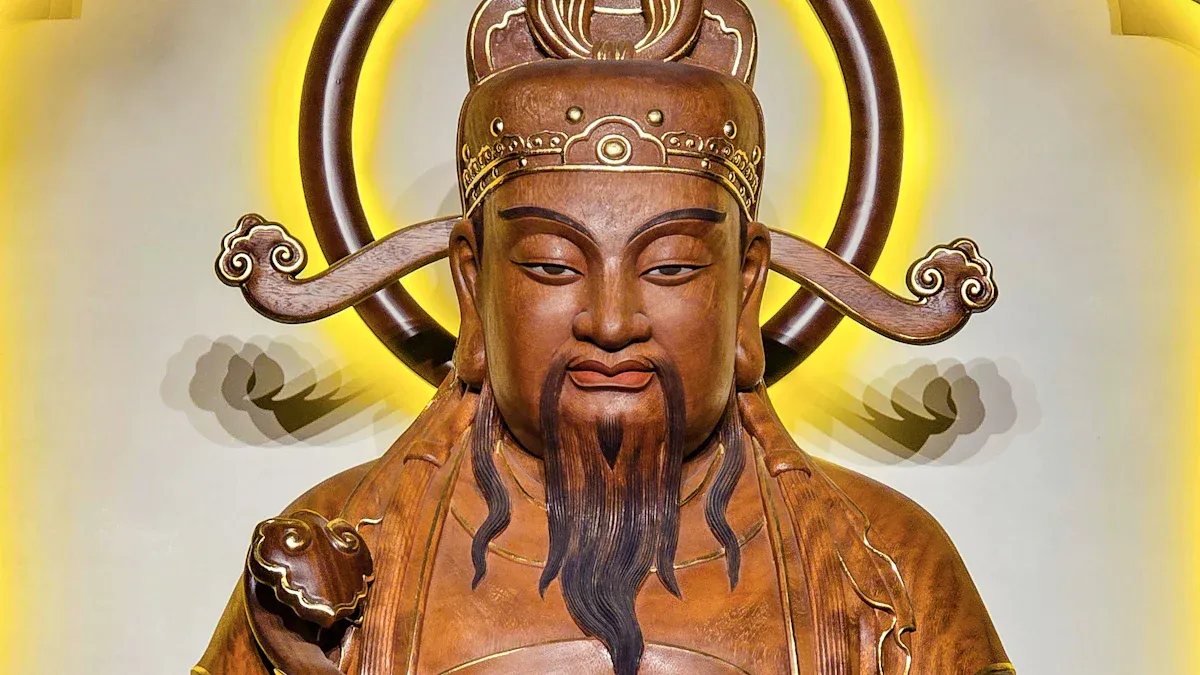
Lessons from the Parable
The Chinese farmer story comes from ancient China. The story begins with a farmer who owns a horse. One day, the horse runs away. Neighbors say this is bad luck. The farmer replies, "Maybe." Later, the horse returns with more horses. The neighbors say this is good luck. The farmer says, "Maybe." The story continues as the farmer's son breaks his leg while riding one of the new horses. The neighbors call this bad luck. The farmer answers, "Maybe." Soldiers come to the village and take all the young men for war, but they leave the farmer's son because of his broken leg. The neighbors say this is good luck. The farmer says, "Maybe."
The Chinese farmer story teaches that people cannot know the full meaning of events right away. The farmer does not judge quickly. He waits and sees what happens next. The story shows that every event can change over time.
Meaning Changes Over Time
The story of the farmer helps people understand that meaning is not fixed. What looks bad today may turn out well tomorrow. The farmer does not rush to label things. He uses patience and wisdom. The story encourages people to stay open-minded. The farmer's attitude helps him stay calm and balanced. People who learn from the Chinese farmer story see that life events can shift. The story gives a lesson in emotional balance.
The farmer waits before making a judgment.
The story shows that time can change how people see things.
The farmer's patience brings peace.
The Chinese farmer story appears in many teachings. Taoism and Manifest uses this story to help people find harmony. The story reminds everyone that life is full of surprises. The farmer's way of thinking helps people accept change and find peace.
Good or Bad? The Taoist View
Duality and Balance
Taoism says life is not simple. People often think things are only good or bad. This makes life seem easier, but it is not the full truth. Taoist wisdom says every event has two sides. Yin and yang show how opposites work together. One side needs the other to exist. If someone feels upset about something, Taoism tells them to look for balance.
The sage lives with opposites and does not judge them. Lao Tzu wants people to live without judging. He asks us to see both sides as one. The Tao is perfect because it allows opposites but also shows unity.
People can learn to see how everything connects. Instead of saying something is bad, they can see how it fits in a bigger way. This helps people feel calm and less worried. Taoism and Manifest tells people to accept both sides and find harmony.
(To learn more about duality, see Taoist views on yin and yang in relationships.)
Responding, Not Judging
Taoism says people should respond, not judge. When something bad happens, people can stop and think first. This helps them not use only good or bad thinking. They can ask what the event means and how it could change. Waiting gives time for new things to happen.
A simple list can help people do this:
Notice what happened without saying good or bad.
Take a breath and wait before you react.
Ask what you can learn or how things might change.
Remember that time can change how you see things.
People who do this feel less stress. They do not stay stuck in bad feelings. Taoism and Manifest says being open helps people grow. This way, people can move past simple thinking and find balance in life.
Practicing Maybe with Taoism and Manifest
Daily Mindset Shifts
People can follow the way of nature by making small changes every day. They can notice when they want to call something good fortune or misfortune. Instead of judging right away, they can stop and say, "Maybe." This word helps people think about new ideas. The maybe mindset shows that any event can bring a chance. When someone has misfortune, they can remember that nature often changes things. What looks like bad luck now could turn into good fortune later.
Taoism and Manifest gives tools to help people make these changes. People can listen to meditation music to relax their minds. They can wear Taoist amulets or bracelets for spiritual safety. These things remind people to stay balanced and look for chances. Doing Qigong meditation in the morning helps people connect with their breath and energy. This daily practice helps people feel calm and healthy.
Tip: Keep a journal and write down times of good fortune or misfortune. Later, read your notes and see how things changed. This helps people understand the power of maybe.
Building Emotional Balance
Taoist teachings help people balance their feelings. The way of nature says yin and yang work together in life. People can use this idea to handle feelings during good fortune and misfortune. Taoism and Manifest shares resources to help people grow and find peace.
Taoist wisdom brings balance, peace, and clear thinking.
Knowing about yin and yang helps people with their feelings.
Qigong meditation lowers stress and helps people feel better.
Chuang Tzu's teachings help people be mindful and live with nature.
People who use these teachings learn to accept change. They see every event as a way to grow. The maybe mindset helps people stay calm and patient. Taoism and Manifest supports this path with real products and lessons. By following the way of nature, people find harmony and strong emotions.
(If you're curious about Qigong, check out What Is Qigong Meditation and How Does It Work.)
Life can surprise us in ways we do not expect. It is hard to call things only good or bad. People feel more peaceful when they accept that life changes. Outcomes can be different as time goes on. Some people use Taoist ideas like Wu Wei and the maybe mindset. They say these ideas help them feel thankful each day. They pay attention to their breath and let life happen. This helps them feel calm inside. Saying "maybe" helps people stay open to new things. Taoist wisdom teaches that life gives freedom and balance. People who welcome change can find harmony.
Pieces That Carry This Intention
A few pieces from the shop that sit close to what this article is about.


FAQ
What is the Tao of maybe?
The Tao of maybe teaches people to accept change. It shows that life events do not have fixed meanings. The Tao helps people see new possibilities. The Tao encourages patience and openness. The Tao guides people to wait before judging. The Tao supports emotional balance.
What does the essence of Tao mean in daily life?
The essence of Tao means living with balance. The Tao helps people see both sides of every event. The Tao teaches that nothing stays the same. The Tao guides people to respond calmly. The Tao supports harmony. The Tao encourages people to accept uncertainty.
What can someone do when facing a difficult event?
Someone can use the Tao to pause and reflect. The Tao teaches people to say "maybe" instead of judging. The Tao helps people find peace, encourages going beyond binary thinking, and supports growth. The Tao also guides people to learn from change.
What makes Tao different from other philosophies?
Tao focuses on balance and change. The Tao does not label events as only good or bad but teaches people to accept both fortune and misfortune instead. The Tao also guides people to live in harmony, support patience and help people see the bigger picture.