
Taoist Meditation 101: How It Differs from Buddhism

Taoist meditation is different from Buddhist meditation. It focuses on living in harmony with nature. It also works on building inner energy called Qi. Both traditions use meditation as an important practice. Each tradition has its own ideas, ways, and goals. People often see that Taoist meditation looks for balance and a natural flow. Buddhist meditation focuses on being mindful and letting go of attachments. These differences help people find the path that fits their needs.
Key Takeaways
Taoist meditation helps people feel calm and peaceful. It teaches you to live in harmony with nature. It also helps balance your inner energy called Qi. You learn to accept how life changes and flows.
Buddhist meditation helps you pay attention to your thoughts. It teaches you to let go of things you hold onto. The goal is to understand your mind and stop suffering.
Taoist techniques use breath control and focus on the Lower Dan Tian. People also practice Qigong and Tai Chi for health. These practices help you feel peaceful inside.
Buddhist methods use different ways like samatha and vipassana. These help you become more aware and kind to others.
You can choose Taoist or Buddhist meditation based on your needs. Taoist meditation is good if you want to feel balanced. Buddhist meditation helps if you want to be more mindful.
Taoist Meditation Essentials
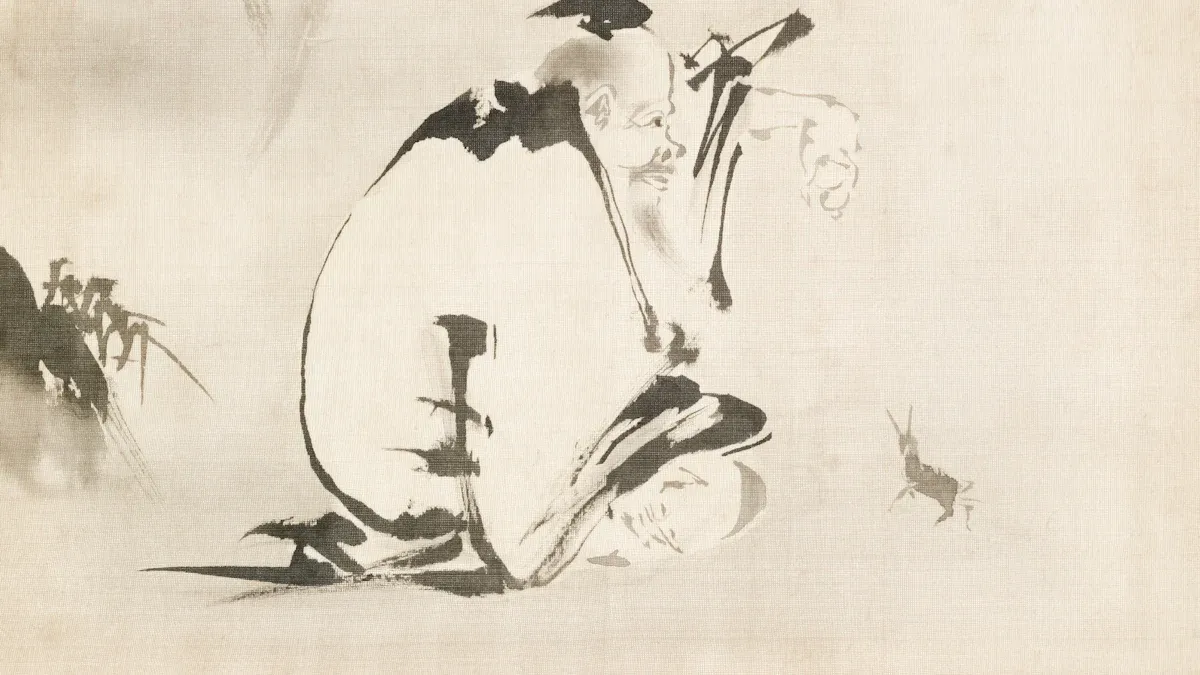
Taoist Philosophy and Harmony
Taoist meditation started a long time ago. It is based on the ideas of Taoism. This tradition says people should live in harmony with the Tao. The Tao is the natural way the universe works. Taoist philosophy teaches self-realization and accepting life as it is. It also teaches people to pay attention to their breathing. Being calm is very important in Taoist practice. Wu Wei means not forcing things and going with the flow. This idea helps people deal with changes in life. Taoist teachings tell people to watch nature and learn from its quiet power. As the Tao Te Ching says:
“Man follows the Earth. Earth follows Heaven. Heaven follows the Tao. The Tao follows what is natural.” — Tao Te Ching, Chapter 25
Learning about Taoism shows how being still and aware can bring peace. Taoism and Manifest gives good information for people who want to learn about Taoism and real Taoist meditation.
(If you want to know more about breathing, check out Taoist breathwork for health, vitality, and energy alignment.)
Taoist Meditation Techniques
Taoist meditation uses easy but strong methods. People usually start by sitting in a comfortable way. They pay attention to how they sit. They focus on the lower belly, called the Lower Dan Tian. This spot is important in Taoist practice. It holds Qi, which is energy that helps health and spiritual growth. When people get distracted, they gently bring their mind back to this area. Some Taoist meditation types are emptiness meditation and burning meditation. Emptiness meditation helps the mind let go of thoughts. Burning meditation helps people let go of stress and open energy paths. These methods show the Taoist idea of following nature and finding inner calm.
Goals of Taoist Meditation
Taoist meditation has goals that are more than just relaxing. People want to balance their mind, body, and spirit with the Tao. They also want to be healthy, feel less stress, and see things more clearly. The table below shows the main goals:
Primary Goal |
Description |
|---|---|
Spiritual Enlightenment |
Understanding yourself and the Tao deeply. |
Peace of Mind |
Staying calm and keeping a peaceful mind. |
Releasing Stress |
Letting go of stress to help meditation and feel better. |
New studies show Taoist meditation can help the brain and relax the body. People who do it often can focus better, feel less stress, and feel more balanced. Learning Taoism through Taoist meditation helps many people feel connected to the world around them.
Buddhist Meditation Overview
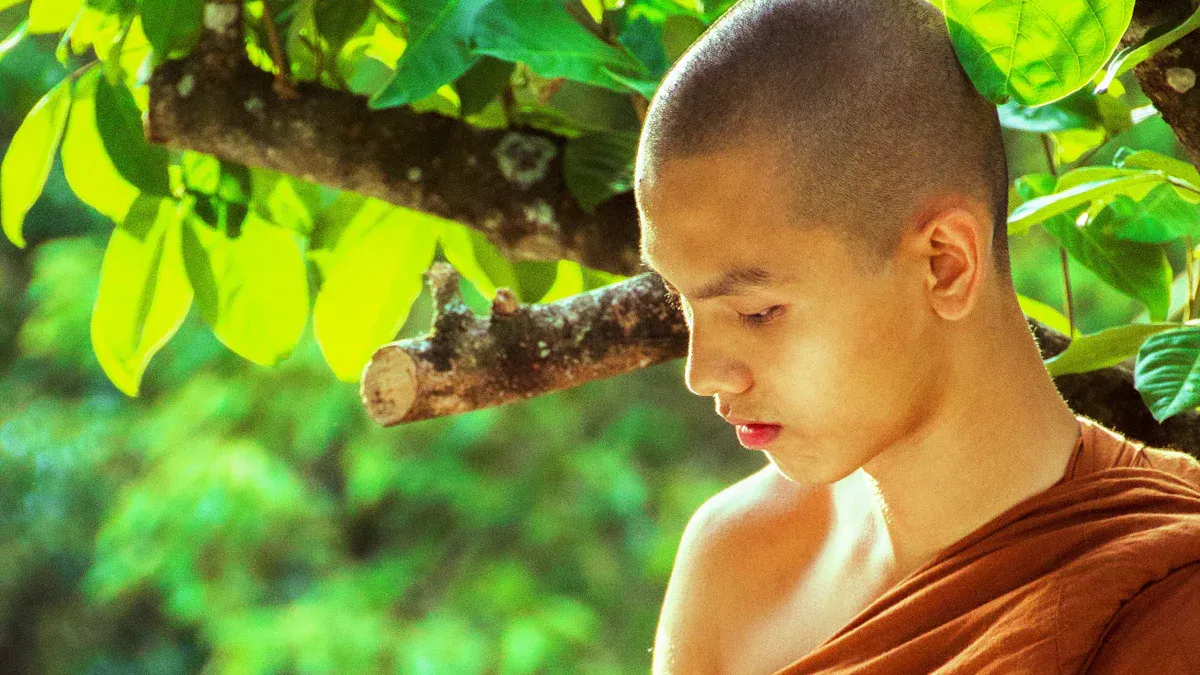
Buddhist Philosophy and Mindfulness
Buddhist meditation is about knowing your mind and ending suffering. Mindfulness is very important in Buddhist teachings. It means watching your thoughts, feelings, and actions closely. Buddhist philosophy teaches people to see things as they really are. It also tells people to let go of things they hold onto. The main goal is to find inner peace and wisdom. Mindfulness in Buddhist meditation links to living a good life and growing your mind. The table below shows how Buddhist mindfulness and secular mindfulness are different:
Aspect |
Buddhist Mindfulness |
Secular Mindfulness |
|---|---|---|
Purpose |
Spiritual goals, path to enlightenment |
Stress reduction, personal development |
Ethical Living |
Integral part of the Eightfold Path |
Often not emphasized |
Conceptual Framework |
Deeply rooted in Buddhist doctrines |
Extracted from religious context for accessibility |
Approach to Mindfulness |
Ethical living, mental cultivation, and wisdom |
Present moment and mental health improvement |
Nature of Mindfulness |
Seen as conditioned and impermanent |
Often viewed as a constant state |
Buddhist mindfulness is part of a full spiritual path. It tries to free people from suffering, not just help with stress.
Buddhist Meditation Methods
Buddhist meditation uses many ways to help people know their minds and the world. Some common Buddhist meditation types are:
Samatha meditation (calm abiding)
Vipassana meditation (insight)
Metta meditation (loving-kindness)
Walking meditation
Contemplative meditation
Samatha meditation helps people calm down and focus better. Vipassana meditation helps people see what is real. Metta meditation helps people feel more kind and caring. Walking meditation helps people stay focused while moving. Contemplative meditation helps people think about Buddhist ideas.
Goals of Buddhist Meditation
Buddhist meditation has clear goals for people to follow. These goals help people wake up and be free from suffering. The table below lists some main goals and ways:
Goal/Technique |
Description |
|---|---|
Liberation |
Freedom from craving and negative emotions |
Awakening |
Achieving enlightenment (Bodhi) |
Nirvana |
Ending suffering and the cycle of rebirth |
Four Foundations of Mindfulness |
Building awareness and presence |
Vipassana |
Gaining insight into the true nature of reality |
Metta |
Cultivating loving-kindness and compassion |
Equanimity |
Developing a balanced mind in all situations |
Science shows Buddhist meditation can change the brain and help feelings. Doing it for a long time helps people control emotions and feel less anxious. Mindfulness practice can lower the chance of depression coming back. Buddhist meditation helps people find peace and wisdom inside. Many people use it to get clear and balanced in daily life.
Taoist vs Buddhist Meditation: Key Differences
Philosophical Contrasts
Taoist meditation and Buddhist meditation are not the same. Taoism teaches people to live with the Tao. The Tao is how nature works. Taoists follow life’s flow and use Wu Wei. Wu Wei means acting without forcing things. Taoist meditation helps people feel close to nature. It also helps them find balance inside. Buddhism follows the teachings of Gautama Buddha. Its main goal is to stop suffering and reach enlightenment. Buddhist meditation uses mindfulness, insight, and compassion.
The table below shows how their ideas are different:
Aspect |
Taoist Meditation |
Buddhist Meditation |
|---|---|---|
Philosophical Roots |
Rooted in Taoism, emphasizing harmony with the Tao |
Based on the teachings of Gautama Buddha, focusing on liberation from suffering |
Key Practices |
Incorporates physical movements like Qigong and Tai Chi |
Emphasizes mindfulness and various meditation techniques |
Focus |
Cultivates inner stillness and connection with nature |
Develops mindfulness, insight, and compassion |
Concept of Action |
Encourages 'Wu Wei' or effortless action |
Focuses on impermanence and non-self |
Taoism and Buddhism think about the self and ego in different ways. Taoism says the ego comes from society and life experiences. The true self is always pure and never changes. You can find it by following the Tao. Buddhism teaches non-self, called anatta. The self is made of changing parts. The Buddhist path helps people see that the self is not real. It leads to finding Buddha nature. Both paths want people to have inner peace. They just use different ways to get there.
Technique Comparison
Taoist meditation uses special ways to work with Qi. Many practices focus on the Lower Dan Tian in the belly. People use breath control, visualization, and gentle movement. Qigong and Tai Chi are examples. These help balance the body and mind with the Tao. Taoist meditation asks people to notice their feelings. It helps them change emotions in a healthy way. This path is good for people who want to understand their feelings.
Buddhist meditation uses samatha, vipassana, and metta. These help people calm their minds and pay attention. Buddhist meditation has clear steps to follow. It teaches people to let go of things they hold onto. It also helps them see things as they really are. Feelings are seen as distractions. People learn to manage them instead of exploring them deeply.
When picking a path, people should think about what they want:
Taoist meditation is good for working with emotions and energy.
Buddhist meditation is good for people who want clear steps and mindfulness.
Taoist practices feel personal and close to nature.
Buddhist practices give more community and shared help.
Culture can change how people meditate. In China, Taoist and Buddhist meditation mix together. Chan Buddhism uses ideas from both. Poetry and nature are sometimes used in both paths to help meditation.
Distinct Goals and Results
Taoist meditation and Buddhist meditation have different goals:
Taoist meditation wants people to feel calm, healthy, and in harmony with nature. It helps balance the mind, body, and spirit with the Tao.
Buddhist meditation wants people to wake up, end suffering, and be mindful. It leads to enlightenment and stops the cycle of rebirth.
People who do Taoist meditation often feel closer to the world. They may feel healthier and more peaceful. People who do Buddhist meditation may feel clear, kind, and free from old habits.
Practical Takeaways for Choosing a Path
Tip: Think about what you need before you choose. If you want to work with your feelings and energy, try Taoist meditation. If you want mindfulness and insight, Buddhist meditation may be better.
Taoist meditation helps people take care of their feelings. It can help with inner problems, but it is not a replacement for professional help.
Buddhist meditation gives clear steps and community for people who want structure.
The table below shows the main ways Taoism and Buddhism are not the same:
Aspect |
Taoist Meditation |
Buddhist Meditation |
|---|---|---|
Core Philosophy |
Guided by the Tao to live naturally |
Ends desire to reach Nirvana |
Purpose |
Achieve balance and understanding |
Control feelings and improve thinking |
Approach to Nature |
Emphasizes living with nature |
Focuses on letting go of attachments |
Importance of Meditation |
Essential for calming the mind |
Crucial for self-awareness and stress relief |
View on Change |
Accepts change as a natural part of life |
Teaches impermanence and the source of suffering |
Emphasis on Compassion |
Encourages connection with others |
Promotes compassion and mindfulness |
Taoism helps people feel balanced with nature and their own energy. Buddhism helps people let go of things and find peace. If you are new, you can try standing or walking practices from both. Taoism values Wu Wei, which means not forcing things to happen. Buddhism teaches the Middle Way, which means not going to extremes. People can use ideas from both for their own practice. Taoism has Qigong and Tai Chi for people who like to move. Buddhism gives clear steps to help the mind stay sharp. Taoism cares about harmony, health, and energy. Buddhism cares about wisdom, kindness, and ending suffering. Taoism says the Tao is where everything comes from. Buddhism says everything changes and nothing stays the same forever. Both Taoism and Buddhism help people grow as a person. Learning about both can help you understand life better. Taoism and Buddhism each have their own good points. Both can help people find peace and learn new things. Taoism and Buddhism welcome everyone who wants to learn.
(If you want to dive into more about similarities or differences between Taoism and Buddhism, see Tao and Buddhism Key Similarities and Differences Explained.)
Pieces That Carry This Intention
Beads meant to be handled while you practice, not just worn.


FAQ
What is the main difference between Taoist and Buddhist meditation?
Taoist meditation is about living in harmony with nature. It also works on balancing Qi in the body. Buddhist meditation is about being mindful and letting go of attachments. Each tradition has its own ways and goals.
What is Qi in Taoist meditation?
Qi is the life energy inside everyone. Taoist meditation teaches people to notice and move Qi. When Qi is balanced, people feel healthy and peaceful.
What is mindfulness in Buddhist meditation?
Mindfulness means watching your thoughts, feelings, and actions closely. Buddhist meditation uses mindfulness to help people know their minds. It also helps them feel less suffering.
What are common Taoist meditation techniques?
Taoist meditation uses breath control and focusing on the Lower Dan Tian. It also uses gentle movements like Qigong and Tai Chi. These help balance energy and calm the mind.
What can someone expect to gain from Taoist or Buddhist meditation?
Taoist meditation can help people feel balanced and healthy. It can also help them feel close to nature. Buddhist meditation can help people find peace, wisdom, and less stress.
See Also
Taoist breathwork for health, vitality, and energy alignment