
What Tai Chi Walking Really Feels Like for Beginners

He steps onto the floor and notices the world slow down. Each foot moves with slow and deliberate movements, making him feel both curious and slightly self-conscious. The ground feels different under his feet. He pays close attention to every shift in weight. Surprise fills his mind as Tai Chi walking transforms a simple action into something new.
Many beginners ask, “What does it actually feel like to try Tai Chi walking for the first time?” The answer often includes a sense of discovery and a focus on the present moment.
Key Takeaways
Tai Chi walking changes normal walking into a careful practice. It helps you balance better and notice your body more.
Beginners might feel a bit uncomfortable at first. Wearing comfy clothes and paying attention to your steps can help.
This practice helps you think clearly and feel calm. It is like a moving meditation. You need to be patient. You get better with practice. Small steps make you feel more sure of yourself.
Tai Chi walking gives you quick health benefits. It can lower stress and help you move better. These good things make you want to keep practicing.
Tai Chi Walking Physical Sensations
Balance and Body Awareness
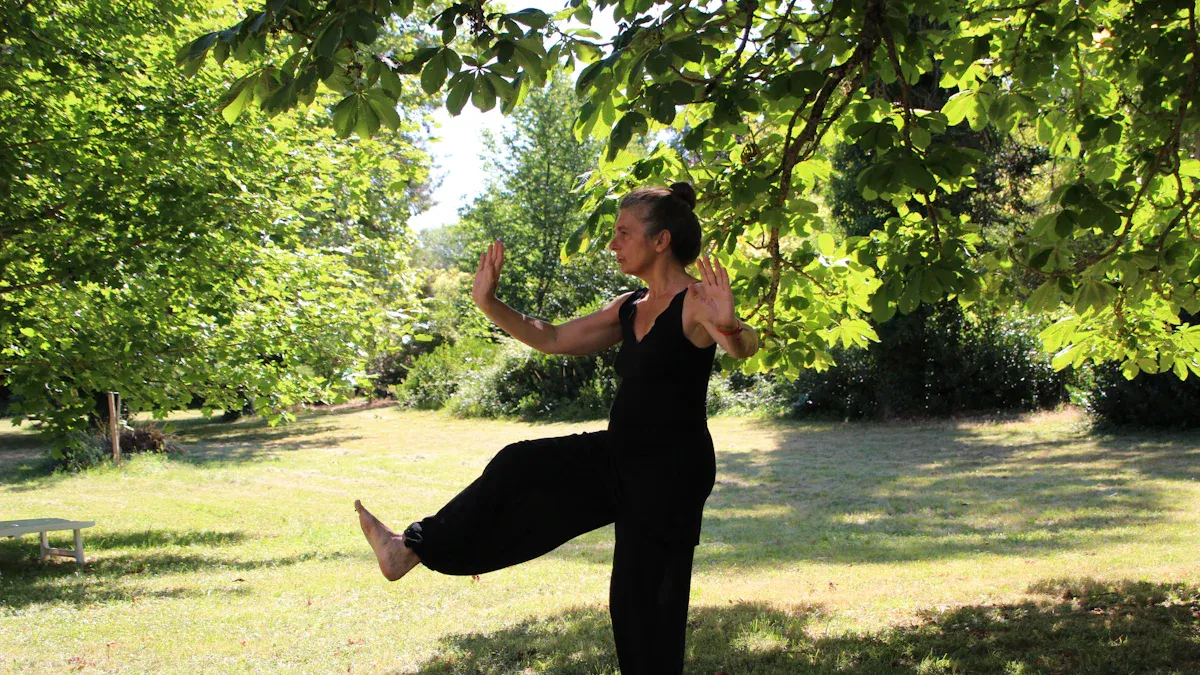
Tai Chi walking gives you a new way to feel balance. You start each step slowly, moving from your heel to your toe. Your foot touches the ground softly, like you are walking on ice. This careful way of moving helps you notice how your weight shifts. The ground feels different under your feet. Some people say their feet feel light, fluffy, or bigger. These feelings happen because you pay close attention to every step.
Many people say Tai Chi walking helps them balance better. Research shows Tai Chi can lower the chance of falling. It also helps you know where your body is in space, which is called proprioception. This is very helpful as people get older. Tai Chi walking also makes your muscles stronger and helps you become more flexible. This helps you recover if you trip. Tai Chi walking is special because it focuses on balance more than normal walking or other exercises. The slow moves help you stay steady and improve how your body works together. This is why it is good for older adults.
Tai Chi walking turns a normal walk into a calm, moving meditation. People pay attention to how their feet touch the ground, how their weight moves, and how they breathe. This focus makes Tai Chi walking different from other activities.
(To explore more about Tai Chi, see What Makes Tai Chi a Taoist Martial Art Beyond Health Benefits.)
Muscle Engagement and Movement
Tai Chi walking uses your muscles in a special way. In regular walking, your muscles work the same most of the time. In Tai Chi walking, your muscles change how they work with every step. You move slowly and control each movement. This helps make your legs stronger and gives you better muscle control.
Aspect |
Tai Chi Walking |
Standard Walking |
|---|---|---|
Muscle Synergy Patterns |
Muscles change how they work all the time |
Muscles work the same most of the time |
Balance Improvement |
Gets better because muscles work together in new ways |
Muscles work the same, not focused on balance |
Strength Development |
Muscles get stronger from different movements |
Muscles only get a little stronger from normal walking |
Tai Chi walking makes your muscles work together in new ways. Muscles that move and muscles that stop movement help keep you steady. Your hips, knees, and ankles move in more complex ways than in normal walking. This helps you stand up straighter and move more smoothly from step to step.
Tai Chi walking also helps you feel connected to the ground. Some people imagine their feet growing roots into the earth. This idea helps them feel steady and safe. Breathing matches the movements, which helps you feel calm and focused.
Common Discomforts for Beginners
When people first try Tai Chi walking, they may feel some discomfort. Their legs, knees, or feet might ache a little. About 15% of beginners say their knees hurt after a few months. Sore muscles and foot pain are common, especially at the start. Knee injuries can last if you do not move carefully.
To help with these problems, experts suggest some tips:
Wear loose, comfortable clothes and shoes.
Tell your teacher about any health issues.
Warm up before you start walking.
Try to focus on what you are doing, not being perfect.
Take breaks when you need them.
Tai Chi walking is gentle and good for people of all fitness levels. Studies show even older people with knee problems can do it and feel better. You do not need special gear, so it is easy for anyone to start. Doctors often suggest Tai Chi walking because it is simple, cheap, and works well.
Tai Chi walking is open to everyone. The slow speed and careful moves make it safe and helpful for beginners, no matter their age or fitness.
(If you want to try Tai Chi, read Fun Tai Chi Games for Families: 3 Easy Activities Everyone Can Try.)
Mental and Emotional States
Focus and Mindfulness
Tai Chi walking helps you focus in a new way. Beginners see they must pay close attention. Each movement needs their mind to stay alert. The slow steps make them watch their feet and body. This careful focus keeps out other thoughts. Many people call it a moving meditation. Their minds get quieter as they focus on now.
Researchers say beginners feel more mindful with Tai Chi walking. This happens because they notice their bodies and feelings more. These mental changes help explain why:
People become more aware of how their bodies move and feel.
This awareness helps them learn Tai Chi walking faster.
Better focus helps them move better and get fitter.
People are often surprised by how much focus is needed. They might think it is just walking. But their minds work hard to stay in the moment. This focus can lower stress and help them feel calm.
Many beginners say Tai Chi walking makes them notice their bodies more. They also feel less bothered by worries.
(For more information about focus and mindfulness, check out Taoist rituals for mindfulness and focus.)
Confusion and Relaxation
At first, beginners can feel confused. The slow steps are not like normal walking. They may wonder if they are doing it right. Their minds jump between balance, breathing, and posture. This confusion is normal and goes away with practice.
Even with confusion, many people feel relaxed. The gentle moves and steady breathing help the body let go of tension. Muscles get loose, and the mind calms down. Some people feel their stress fade as they keep going. Feeling confused and relaxed at once is special. It feels hard but also peaceful.
Emotional Reactions
Tai Chi walking brings out many feelings. Some beginners feel shy or awkward, especially in a group. Others feel proud when they learn something new. Many people feel less anxious after a session. The slow moves and focus help calm the mind.
Common feelings include:
Less stress and tension
Feeling proud after learning something new
More patience with themselves and others
Joy from moving in a mindful way
People find Tai Chi walking helps their feelings, not just their bodies. They may feel more peaceful and balanced each day. The practice helps them handle stress and worry better.
Tai Chi walking is more than just exercise. It helps people feel calm and supports their emotional health.
Tai Chi Walk Challenges and Surprises
Coordination and Patience
Tai Chi walk can be hard for beginners. The slow steps feel strange at first. It is not like other exercises. Each move needs you to balance and shift your weight. Sometimes, your feet and hands do not work together. You might step too fast or forget about your posture. These mistakes are normal when you start.
Patience is very important in Tai Chi walk. Many new students want to get it right quickly. But Tai Chi walk teaches you to slow down. You learn to accept small changes over time. Teachers tell students to be curious, not perfect. Short sessions, like 10 or 20 minutes, help you focus. This makes it easier to learn and enjoy each step.
-
Beginners work on:
Being patient and curious.
Looking for steady progress, not fast results.
Thinking about each session to see small wins.
With practice, people get better at being patient and moving well. Tai Chi walk gives rewards to those who keep trying.
Unexpected Positive Feelings
Tai Chi walk can surprise people. Many think it is just exercise, but it is more. After a session, beginners may feel calm or proud. The slow moves and focus help your mind rest. Some people feel less stress and have more energy, even after a short time.
Tai Chi walk gives more than just fitness. People feel good about learning new things. They feel proud as their moves get smoother. Some feel quiet happiness from moving with care. These good feelings make people want to keep going and learn more.
Tai Chi walk shows that gentle exercise can feel good. It has hard parts, but it also brings peace and joy.
Early Benefits of Tai Chi Walking
Immediate Effects
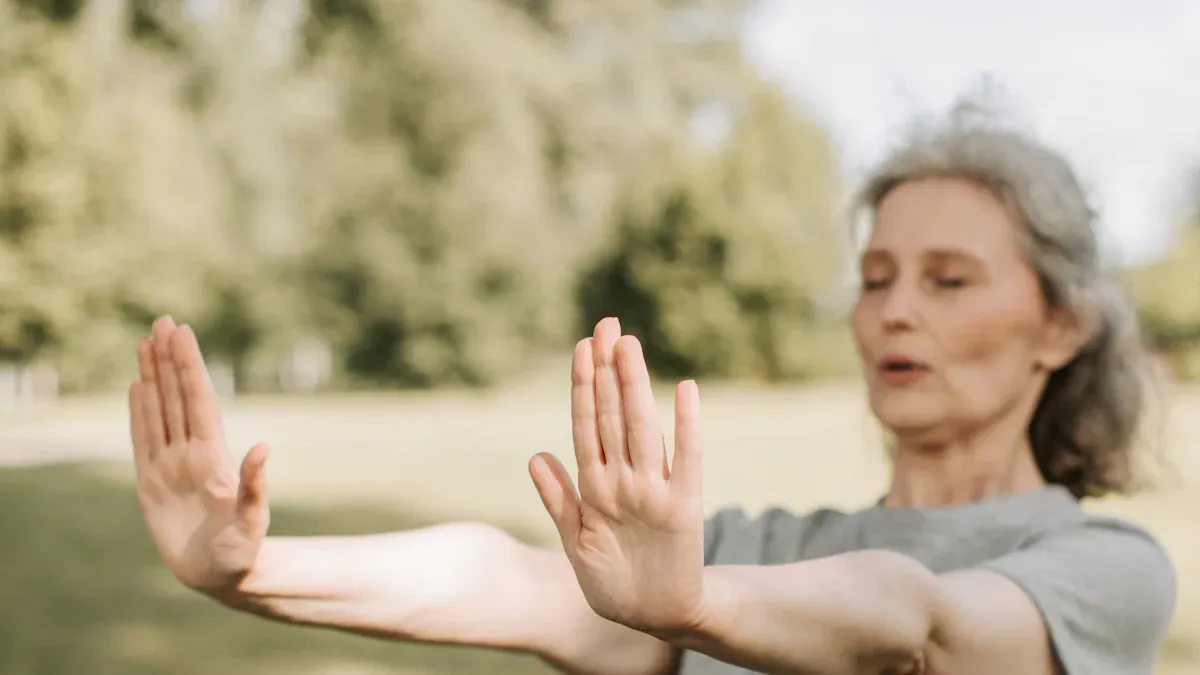
Tai Chi walking gives beginners many health benefits. People feel changes in their bodies after just one class. Their heart beats a little faster, and they breathe more. This helps the heart and lungs work better. Heart rate changes in a good way, which helps the heart stay healthy. Muscles start to relax, and tension goes away. Balance and stability get better right away. People can move their joints more easily. Muscles and joints feel stronger after practice.
Tai Chi walking helps people feel less stress very quickly. They feel calm and peaceful.
Many beginners say they have less pain than with other easy exercises.
The slow moves in Tai Chi walking make it a mindful exercise. Moving slowly helps the brain focus and lifts your mood.
Tai Chi is good for seniors and people with pain, arthritis, or knee replacement. It helps them move better and makes joints more flexible.
Studies show Tai Chi can lower anxiety and help people relax.
Blood pressure goes down after doing Tai Chi often. The top number drops by about 6 points, and the bottom number drops by almost 4 points.
Tai Chi walking helps people of all ages feel healthier and happier.
Motivation to Continue
Many people join Tai Chi classes to get healthier. They feel motivated when they practice with others who have the same goals. Breathing and gentle moves help them feel good. People feel proud as they get better and healthier.
Study Reference |
Continuance Rate |
|---|---|
Wolf et al. |
Over 50% |
Yeh et al. |
14 of 15 planned to continue |
Gavin and Myers |
67% planned to enroll in another class |
People like Tai Chi classes because they see results fast. They notice better balance, less stress, and more flexible bodies. These health changes make them want to keep going. Online Tai Chi classes let people join from home. Tai Chi for arthritis, chronic pain, and knee replacement helps people move with less pain. Beginners feel more energy and want to keep learning. Tai Chi for stress and anxiety helps people feel calm and peaceful.
Tai Chi walking uses gentle moves and helps people focus. Beginners feel healthier, less stressed, and happier. These good changes make them want to keep practicing.
Tai Chi walking gives beginners a mix of new sensations. They notice slow steps, focused breathing, and calm feelings. Many feel proud as their balance improves. Some feel awkward at first, but this fades with practice. Studies show regular Tai Chi walking helps people lose weight and lower blood sugar. Each session brings more confidence and peace. Beginners learn that improvement comes with steady effort. Awkwardness is normal. Progress follows patience.
Tai Chi walking rewards those who keep trying. Every step brings growth and health.
Pieces That Carry This Intention
Yin-yang and five-element pieces, for when the idea needs something to hold.


FAQ
What should a beginner wear for Tai Chi walking?
Loose, comfortable clothing works best. Shoes should have flat, flexible soles. He or she should avoid heavy or tight shoes. This helps the feet move and feel the ground better.
What if someone feels awkward or unbalanced?
Feeling awkward is normal. Many beginners notice wobbly steps. With practice, balance improves. Teachers suggest moving slowly and focusing on each step. Progress comes with patience.
What does Tai Chi walking do for stress?
Tai Chi walking helps lower stress. Slow movements and deep breathing calm the mind. Many people feel peaceful after a session. This practice supports emotional health.
What if a person has knee or joint pain?
Tai Chi walking uses gentle movements. Many people with joint pain find it helpful. He or she should tell the teacher about any pain. Moving slowly and carefully protects the joints.
What makes Tai Chi walking different from regular walking?
Tai Chi walking uses slow, mindful steps. Each movement has a purpose. People focus on balance, breathing, and body awareness. Regular walking does not use this level of attention.
See Also
What Makes Tai Chi a Taoist Martial Art Beyond Health Benefits
Fun Tai Chi Games for Families: 3 Easy Activities Everyone Can Try