

Real vs Fake Obsidian: 5 Simple Ways to Tell the Difference

Collectors sometimes want to know if their obsidian is real or fake. Real vs fake obsidian can look quite similar, and even experts can sometimes get confused. However, five easy checks can help anyone determine authenticity. People should look for these signs:
Examine the color. Real obsidian is very dark and should not be bright or see-through.
Look for natural flaws and flow lines that indicate authenticity.
Touch the surface; real obsidian feels cool and smooth to the touch.
Hold it up to the light. Fake obsidian may display bright colors or bubbles that are not present in genuine pieces.
Gently try to scratch it. Real obsidian is hard and does not scratch easily.
These steps can assist anyone in identifying whether their obsidian is real or fake.
Key Takeaways
Real obsidian is dark and can have natural flaws. Do not pick stones that look very shiny or perfect.
The touch test is important. Real obsidian feels cool and smooth. Fake obsidian can feel rough.
Use light to check if it is real. Real obsidian does not let much light pass through. It stays dark in the middle.
Try a scratch test. Real obsidian can scratch glass. Fake obsidian usually cannot do this.
Look for bubbles inside the stone. Round bubbles mean it is fake obsidian. Real obsidian has stretched or layered spots instead.
5 Ways to Identify Obsidian
Visual Clues for Real vs Fake Obsidian
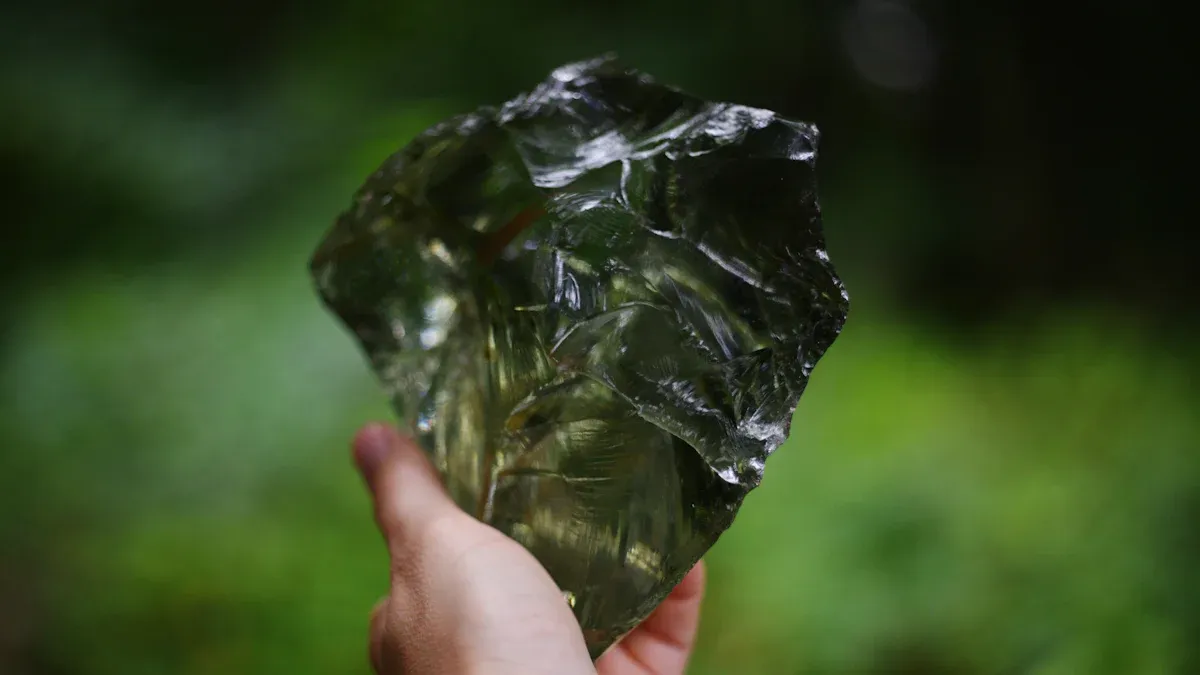
People first look at obsidian to see if it is real. Real obsidian is deep black or dark brown. Sometimes, it shows faint rainbow colors or flow lines. These lines happen when lava cools fast. Fake obsidian looks too perfect and shiny. It may have bright colors that do not look natural. Real obsidian can have small streaks or spots. These are not bubbles. When checking a stone, look for flaws. Avoid stones that look too shiny or perfect.
(To explore a curated selection of naturally formed stones, feel free to browse our genuine Black Obsidian collection.)
A simple visual check:
Hold the obsidian in sunlight.
Look for deep color and flow lines.
Check for flaws or spots.
Avoid stones with bright colors or shiny surfaces.
Touch Test to Tell if Obsidian Is Real
The touch test helps people feel the difference. Real obsidian feels cool and smooth. It stays cool even on warm days. Fake obsidian may not feel cool. It can feel rough or grainy. Use your wrist or cheek to test the stone.
Here is a comparison table for the touch test:
Property |
Real Obsidian |
Fake Materials |
|---|---|---|
Temperature |
May not feel cool |
|
Texture |
Smooth and glassy |
Grainy or rough |
Real obsidian feels cooler than the air.
Fake obsidian does not feel as cool.
Try the touch test on sensitive skin.
Light Test for Fake Obsidian
Light can help tell if obsidian is real. Real obsidian does not let much light through. The edges may show a little light, but the center stays dark. Fake obsidian can glow with bright colors. It may let more light pass through. Some fake stones show green or blue colors in strong light.
To do a light test:
Hold the obsidian up to a lamp.
Look at the edges for some light.
Check the center for darkness.
Watch for bright colors or tints.
Scratch Test to Identify Obsidian
The scratch test is another way to check obsidian. Real obsidian has a Mohs hardness of 5 to 5.5. It can scratch glass but steel can scratch it. Fake obsidian is softer and may not scratch glass.
Here is a table for the scratch test:
Property |
Real Obsidian |
Fake Obsidian |
|---|---|---|
Mohs Hardness |
5–5.5 |
Varies, often lower |
Can Scratch Glass |
Yes |
No |
Can Be Scratched by Steel |
Yes |
Yes (if softer) |
To try this at home:
Use a small piece of glass.
Rub the obsidian gently on the glass.
If it scratches the glass, it is likely real.
If it does not, it may be fake.
Bubble Check for Fake Obsidian
The bubble check is easy to do. Real obsidian forms from lava cooling fast. It rarely has round bubbles. It may have stretched or layered spots. Fake obsidian, like glass, often has round bubbles.
Fake obsidian often has round bubbles. Real obsidian may have stretched or layered bubbles because it cools quickly.
To do a bubble check:
Hold the obsidian up to bright light.
Look for bubbles inside the stone.
Round bubbles mean the stone is fake.
Stretched or odd spots are common in real obsidian.
These five methods help people compare real vs fake obsidian. Each test uses simple tools and careful looking. These steps help collectors and others pick real obsidian.
Why Fake Obsidian Exists
Common Materials Used for Fake Obsidian
Fake obsidian is easy to find in stores. Sellers use glass to copy real stones. This glass looks shiny and smooth. It does not have the same crystal structure as real obsidian. Sometimes, fake obsidian comes in bright colors like blue or green. These colors are not found in natural obsidian.
Genuine obsidian is usually dark and can be see-through. It shows patterns like Rainbow, Mahogany, or Snowflake obsidian. Fake obsidian made from glass does not have these patterns. It often looks too perfect.
Here is a table to compare them:
Feature |
Genuine Obsidian |
Fake Obsidian (Glass) |
|---|---|---|
Color |
Dark, natural tones |
Bright, unnatural colors |
Structure |
Volcanic glass |
Man-made glass |
Patterns |
Flow lines, inclusions |
Few or no patterns |
People who want to spot fake obsidian should look for these clues. Real obsidian always shows signs that it came from a volcano.
Reasons Behind Fake Obsidian
Fake obsidian is sold because many people like its look and meaning. Some sellers use fake materials to make money fast. They know not everyone can tell if obsidian is fake. This is why buyers need to learn how to spot real stones.
Taoism and Manifest values real obsidian. The brand works with temples and Master Lu to check every piece. They believe only real obsidian has true spiritual power. Taoism and Manifest wants buyers to feel safe and sure when buying obsidian.
People should always ask for certification when buying obsidian. Certified stones help people feel calm and show the stone is real. Learning to spot fake obsidian helps collectors and spiritual seekers avoid feeling let down.
How to Tell If Obsidian Is Real
Step-by-Step Guide to Identify Obsidian
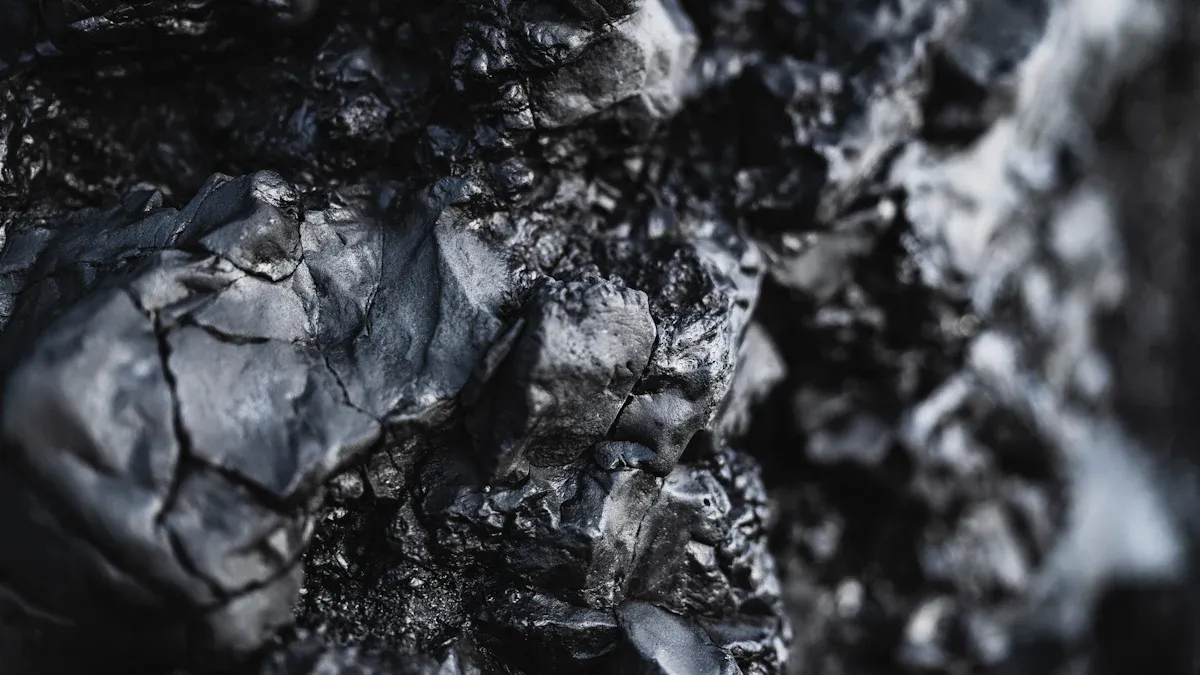
You can learn to spot obsidian at home. Experts suggest some easy steps. Start by looking at the shape and feel. Real obsidian looks like glass and has sharp, curved edges. Black obsidian is usually one color, but sometimes you see faint lines. Check for small pits or marks on the surface. These are normal in real stones.
To check hardness, use a pocket knife or steel nail. Scratch a hidden spot gently. Real obsidian is about 5 to 5.5 on the Mohs scale. The knife should scratch it. If it does not, it might be fake. Hold the stone up to light. Real black obsidian lets light through thin edges, but the middle stays dark. Put water on the stone. Real obsidian feels cool and stays cool longer than glass or plastic.
Taoism and Manifest checks their obsidian with a special ritual. A Taoist master leads this process. It takes time and care to make sure each piece is real and has spiritual power.
(You can learn more about how we honor these traditions in our guide to mindfulness and spiritual tools.)
Quick Checklist for Real vs Fake Obsidian
Use this checklist to help you tell if obsidian is real or fake.
Look for glassy look and even color.
Check for lines or bands.
Test hardness with a knife or nail.
Hold it up to light; real obsidian shows light at thin edges.
Look for pits or marks.
Feel the stone; real obsidian is cool.
Watch for bubbles; round bubbles mean fake obsidian.
Method |
Accuracy (%) |
Reliability Notes |
|---|---|---|
Visual Inspection |
High |
Glassy look, even color, and lines are good signs |
Scratch Test |
High |
Real obsidian scratches glass, not quartz |
Light Test |
Moderate |
Light at edges helps spot obsidian |
Touch Test |
Moderate |
Real obsidian feels cool and smooth |
Bubble Check |
Moderate |
Round bubbles show fake obsidian |
Many people ask how to spot fake obsidian. This guide helps you find real black obsidian and avoid fake stones. Taoism and Manifest sells certified obsidian so buyers feel safe.
Collectors and spiritual seekers can use five easy ways to check real obsidian. These steps help people avoid getting fooled and feeling unhappy. Buyers feel more sure when they pick certified stones from trusted sellers like Taoism and Manifest.
Getting fooled by fake products
Feeling unhappy with what you bought
Trusting certified brands makes sure the stone is real and has spiritual value. People can feel calm and find true harmony if they follow these tips before buying or collecting obsidian.
Pieces That Carry This Intention
A few pieces from the shop that sit close to what this article is about.


FAQ
What makes real obsidian special?
Real obsidian comes from volcanic lava. It has natural energy and special patterns. Many people like it for spiritual reasons. Taoist teachings say real obsidian brings balance and protection.
What is the easiest way to spot fake obsidian?
People can look for round bubbles inside the stone. Fake obsidian usually has these bubbles. Real obsidian shows lines or streaks, not perfect round bubbles.
What does Taoism and Manifest do to certify obsidian?
Taoism and Manifest works with temples and Master Lu. They use special rituals and checks. Each piece gets certified for being real and having spiritual power.
What should someone do if they suspect their obsidian is fake?
They should try the five simple tests in this guide. If they are still unsure, they can ask the seller for certification or talk to a trusted expert.
What are the main benefits of owning certified obsidian?
Certified obsidian gives peace of mind. Owners know their stone is real and has spiritual value. Many people believe it brings harmony, protection, and good energy.
(For more insights on creating balance in your life, check out our article on incorporating Taoist principles into modern living.)
See Also
Taoist minimalism principles for living with less
Polytheism Explained: Why Taoism Has So Many Gods
Yin Yang Balance: Practical Wisdom of Harmony in Daily Life