
Meditation Practices Shared by Taoism and Buddhism

Meditation practices like breathwork, mindfulness, and visualization are found in both Taoism and Buddhism. These two traditions started to mix a long time ago. Buddhism came to China during the Han dynasty. This was an important moment. Over the years, people used methods from both traditions together. The table below lists important times when this mixing happened:
Historical Event |
Description |
|---|---|
Arrival of Buddhism during the Han dynasty |
Buddhism came to China and changed meditation. It mixed with Taoist traditions. |
Development of Chan Buddhism during Tang |
Chan Buddhism was shaped by Indian teachers. It became a popular way to meditate and mixed with Taoist practices. |
Synthesis of practices over centuries |
Taoist and Buddhist practices kept mixing. This created new techniques with different parts from both. |
People who use these methods often feel more balanced and understand themselves better.
Key Takeaways
Breathwork is important in Taoism and Buddhism. It helps you relax your mind and body. This makes it easier to focus and feel calm.
Mindfulness and introspection are important practices. They help you notice your thoughts and feelings. This leads to better understanding of yourself. It also helps your emotional health.
Visualization is a big part of Taoist meditation. It helps you feel closer to nature. It also guides your energy for balance and health.
Meditation has many health benefits. It can lower stress and help your memory. It also helps you control your emotions better.
Both traditions say you should practice often. Even short sessions can help you feel better. They help you find peace and balance in your life.
Shared Meditation Practices
Breathwork in Taoism and Buddhism
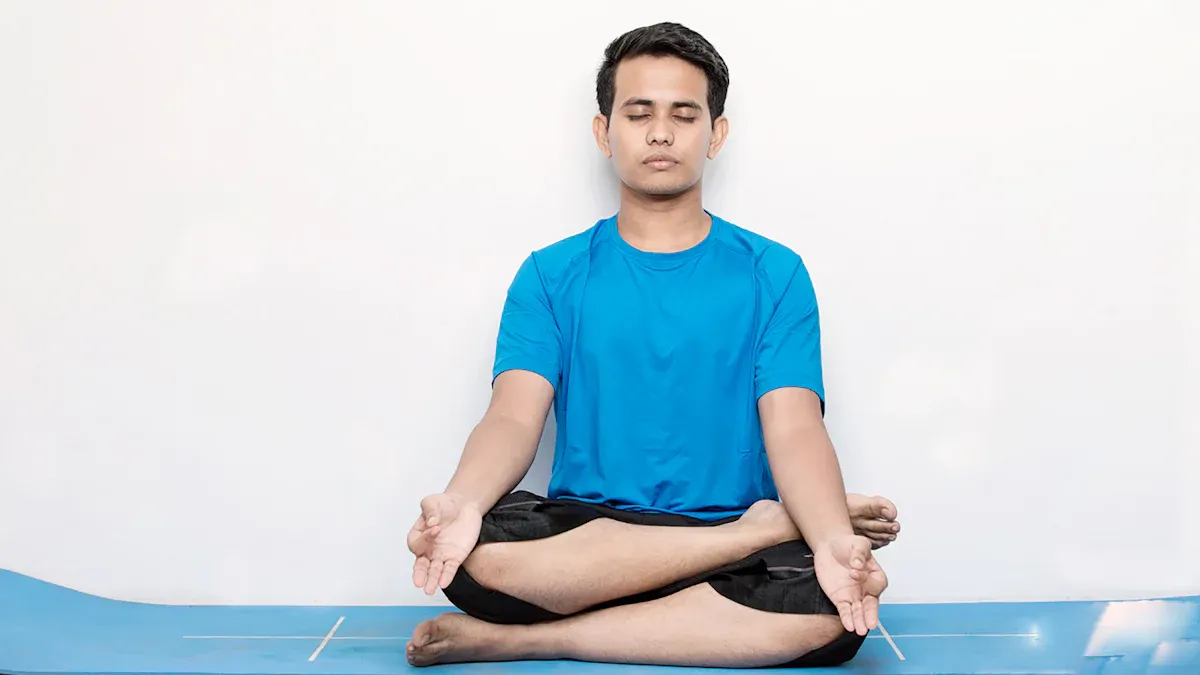
Breathwork is a big part of meditation in both traditions. People use slow, deep breaths to calm themselves. Taoist meditation uses breathwork to move energy through the body. Buddhist meditation uses breath awareness to help the mind stay still. Both traditions say breathing slowly helps you relax and focus.
A study looked at Taoist meditation and found it changes brain waves. People who meditate had more theta and alpha waves when resting. This means they were relaxed but alert. The study did not see big changes in the body during meditation. Scientists think more research is needed to learn how breathwork affects the body in Buddhist meditation.
Mindfulness and Introspection
Mindfulness and introspection are important in both traditions. These practices teach people to notice their thoughts and feelings. They do this without judging themselves. In Buddhism, mindfulness is called 'mindfulness.' It means staying aware of what is happening now. People use mindfulness to notice their bodies, senses, and thoughts. This helps them learn about no-self and move toward freedom. Important texts like the Satipaṭṭhāna Sutra and Vipassana meditation help guide this.
Taoism also teaches mindfulness. It focuses on being present and letting things happen naturally. Wu Wei means acting without effort and going with nature. Taoist meditation often uses energygong and Tai Chi. These mix movement with awareness. They help people connect their minds and bodies.
-
In Buddhism:
Mindfulness means noticing the body and senses.
It is part of the Eightfold Path.
The goal is insight and freedom.
-
In Taoism:
Mindfulness means being present and not attached.
Wu Wei teaches acting without effort.
Qigong and Tai Chi use movement and awareness.
Studies show introspection in meditation can help mental health. The table below shows some research findings:
Aspect of Research |
Findings |
|---|---|
Meditation Influence |
Chinese Buddhist meditation mixes Taoist and Confucian ideas, like watching nature. |
Mental Health Benefits |
These practices help people relax and think clearly. They may help mental health. |
Unique Approach |
Chinese meditation helps people connect with nature and be creative. |
Evidence-Based Approach |
Studies show meditation can use nature and creativity for better well-being. |
Mindfulness and introspection help people find balance. They improve self-understanding and support emotional health.
Visualization and Energy Flow
Visualization and energy flow are important in Taoist meditation. They also appear in some Buddhist meditation. Taoist meditation uses visualization to connect with nature and guide energy. People imagine energy moving in their bodies. This helps them feel balanced and healthy. Qigong and Tai Chi use visualization with movement.
Buddhist meditation, especially Zen, does not use visualization much. It focuses more on mindfulness and insight. Some Buddhist meditation uses visualization, but it is not the main part.
-
Taoist meditation:
Uses visualization to connect with nature.
Guides energy for health and balance.
Often uses movement like energygong or Tai Chi.
-
Buddhist meditation:
Focuses on mindfulness and insight.
Zen does not use much visualization.
Some types use visualization, but it is not the main focus.
The tables below show how each tradition uses energy flow and visualization:
Aspect |
Taoist Meditation |
Buddhist Meditation |
|---|---|---|
Focus |
Growing and moving energy |
Learning about change and letting go |
Techniques |
Ways to move energy |
Often does not use energy flow |
Experience of Qi |
People can feel energy move |
People do not focus on energy |
Philosophy |
Focuses on energy and change |
Focuses on emptiness and connection |
Meditation Type |
Taoist Meditation |
Buddhist Meditation |
|---|---|---|
Goal |
Growing and balancing energy |
Reaching enlightenment by letting go |
Methods |
Breathwork, visualization, energy work |
Meditation on emptiness |
Connection to Nature |
Follows the Tao for balance and harmony |
Focuses more on the mind than nature |
Meditation Approach |
Taoist Meditation |
Buddhist Meditation |
|---|---|---|
Primary Focus |
Growing energy and energy flow |
Emptiness and letting go |
Techniques |
Breathwork, visualization, energy work |
Less focus on energy flow |
Overall Goal |
Balance with nature and self |
Reaching enlightenment |
Both traditions teach people to clear their minds and let go of fixed ideas. This helps them understand more and find stillness. Using visualization, energy flow, mindfulness, and breathwork helps people find balance and insight in life.
(To explore more about Taoist practices, read Taoist Wisdom Unveiled: Practical Insights for Daily Practice.)
Taoist vs. Buddhist Meditation

Philosophical Differences
Taoist meditation and Buddhist meditation have different ideas. Taoism teaches people to live in harmony with the Tao. This means following the natural way of life. Wu Wei is about acting naturally and living in balance. Buddhism teaches that everything changes and nothing stays the same. It says there is no permanent self. Buddhism also talks about how everything is connected. These ideas help people suffer less and find understanding. The table below shows the main ideas of each tradition:
Philosophy |
Core Principles |
|---|---|
Buddhism |
Focuses on impermanence, absence of a permanent self, and interconnectedness to reduce suffering. |
Taoism |
Emphasizes harmony with the Tao, balance through Yin and Yang, and spontaneous action for fulfillment. |
(If you're curious about how to live with harmony in daily life, check out Living in Harmony with Taoism: Finding Balance and Energy Flow in Daily Life.)
Technique Comparison
Taoist meditation asks people to notice their surroundings and grow energy. Buddhist meditation asks people to look inside and watch their thoughts. Taoist meditation uses movements like energygong and Tai Chi. These help connect the mind, body, heart, and soul. Buddhist meditation uses breath awareness, loving-kindness, and mindfulness. These help people learn and care for others. The table below shows the main differences in how they practice:
Aspect |
Taoist Meditation |
Buddhist Meditation |
|---|---|---|
Philosophical Foundation |
Rooted in Taoism, emphasizing harmony with the Tao |
Based on the teachings of Gautama Buddha, focusing on liberation from suffering |
Key Practices |
Incorporates physical movements like energygong and Tai Chi |
Emphasizes mindfulness and various techniques like breath awareness and loving-kindness |
Goals |
Cultivates inner stillness and connection with nature |
Develops mindfulness, insight, and compassion |
Breathing is different in each tradition. Taoist meditation pulls the belly in when breathing in. It pushes the belly out when breathing out. Buddhist meditation does the opposite. The belly goes out when breathing in and in when breathing out.
Evolution and Integration
Taoist and Buddhist meditation have mixed over time in East Asia. The Buddha's teachings spread from Afghanistan to Japan and Indonesia. Zen meditation mixes both traditions and went to Japan in the 7th century. Today, meditation schools teach ways to calm the mind, body, and heart. These methods help quiet thoughts and bring peace inside. Insight meditation uses breath and gentle movement. This helps people feel mindful and happy. People say these practices help them grow, become wiser, and feel more aware. Mixing Taoism and Buddhism helps people find balance and calm in everyday life.
Benefits of Shared Meditation
Physical and Mental Health
Meditation from Taoism and Buddhism helps health in many ways. Scientists found meditation helps people feel better in body and mind. Some main benefits are:
Better memory and clearer thinking
Longer attention span
Stronger willpower to avoid bad habits
Improved sleep
Less pain and better control of feelings
Lower blood pressure
Fewer signs of depression
More kindness toward others
Meditation helps people feel happier and more positive. Studies show regular meditation lowers blood pressure and helps people relax. Many people say their bodies feel calm and their minds get clearer after meditating.
Spiritual Growth
Meditation helps people grow spiritually and understand life. Taoist and Buddhist practices teach people to look inside themselves. They help people feel more connected to life. These traditions say meditation can change people inside and bring peace. People use meditation to connect with something bigger than themselves. By practicing often, they learn compassion and know themselves better. They also understand life more deeply. Many rituals in both traditions use meditation to help people grow and find meaning.
Practical Applications
Today, wellness programs use meditation to help people with stress. Even short sessions, like 10 or 20 minutes, can lower stress. Studies show people in mindfulness programs feel calmer and solve problems better. These programs are easy to fit into busy days and help people build good habits. Meditation changes how the brain reacts to stress. It lowers breathing rates and blood pressure. People who meditate often say they feel more balanced and notice more in their daily lives.
Taoist and Buddhist meditation both use breathwork, mindfulness, and visualization. These practices help people feel calm and balanced. The table below shows what each tradition focuses on:
Aspect |
Taoist Meditation |
Buddhist Meditation |
|---|---|---|
Focus |
Breath, Qi, natural living |
Breath, insight, and peace |
Goal |
Peace and efficiency in daily life |
Enlightenment and clear vision |
Many people use both traditions for better health. Meditating often can help you sleep well. It can lower stress and help you think clearly. Some beginners find it hard to start. They may not know which teacher to choose. They might not understand all the ideas. You can begin with easy breathwork or short mindfulness. This helps you start your path to balance and knowing yourself.
(To learn more about different emphasis of Taoism and Buddhism, see Tao and Buddhism Key Similarities and Differences Explained.)
Pieces That Carry This Intention
Beads meant to be handled while you practice, not just worn.


FAQ
What is the main goal of meditation in Taoism and Buddhism?
Taoist meditation helps people feel balanced with nature and energy. Buddhist meditation helps people understand their minds and reach enlightenment. Both traditions help people learn about themselves and find peace inside.
How do breathwork techniques differ between Taoist and Buddhist meditation?
Taoist breathwork moves energy, which is energy, through the body. Buddhist breathwork helps calm the mind and makes people more aware. Both use breathing to help people relax and pay attention.
Can beginners practice both Taoist and Buddhist meditation?
Beginners can start with easy breathwork or mindfulness from either tradition. Many teachers say short sessions are good for new learners. People can try both styles and see which one they like more.
What benefits do people gain from shared meditation practices?
People feel less stressed, sleep better, and think more clearly. Meditation helps people balance their feelings and be kinder. Doing meditation often helps the body and helps people grow spiritually.
Is visualization important in both traditions?
Visualization is very important in Taoist meditation. People imagine energy moving inside their bodies. Buddhist meditation sometimes uses visualization, but it mostly focuses on mindfulness and insight.
See Also
Taoist Wisdom Unveiled: Practical Insights for Daily Practice
Living in Harmony with Taoism: Finding Balance and Energy Flow in Daily Life