
The Meaning and Spiritual Power of "Lord of Heaven" in Taoism

Lord of Heaven (福生无量天尊) is an important title in Taoism. This phrase gives a strong feeling of blessing and goodness. Many people think it means wishing for endless life and joy. Taoist followers often say it to share luck and peace. The words have good energy that lifts up both the person who says it and the one who hears it. (To gain a deeper understanding of the foundational teachings that influence concepts like Lord of Heaven (福生无量天尊), explore the insights in What is the Tao that can be told and what inspired the Tao Te Ching. This article delves into the historical and philosophical origins of Taoist thought.)
Key Takeaways
Lord of Heaven (福生无量天尊) means 'Heavenly Honored One who gives endless blessings and life.' It stands for good luck and spiritual growth in Taoism.
Taoists say this phrase in prayers, greetings, and rituals. They use it to ask for peace, protection, and good energy in their lives.
Chanting Lord of Heaven (福生无量天尊) helps people calm down and worry less. It also helps them connect to higher wisdom and harmony.
People can use this phrase every day, like in the morning, before eating, or when facing hard times. Doing this brings blessings, courage, and kindness.
Thinking about Lord of Heaven (福生无量天尊) helps people be mindful and thankful. It helps them stay calm and open to good things each day.
Meaning
Literal Translation
The phrase Lord of Heaven (福生无量天尊) is from Chinese. Each word means something special.
福 (fú) stands for "blessing" or "good luck."
生 (shēng) means "to create" or "to make life."
无量 (wú liàng) means "endless" or "without end."
天尊 (tiān zūn) means "Heavenly Honored One" or "Venerable Celestial Lord."
When you put these words together, the phrase means "The Heavenly Honored One who gives endless blessings and life." Many Taoists say this to wish for never-ending happiness and good luck for everyone. The words show honor for the divine and hope for lots of blessings.
Spiritual Significance
In Taoism, Lord of Heaven (福生无量天尊) has a deep spiritual meaning. Taoist experts say this is a title for Taishang Laojun. He is a wise and strong figure who stands for the Tao and nature’s rules. The phrase shows that this being can give endless blessings to all. It also shows Taoists believe in living in harmony with the Tao, where blessings never stop.
Taoists think saying this phrase honors the greatest wisdom and goodness. It reminds people to look for peace, kindness, and to grow spiritually. The phrase is also linked to the Three Pure Ones, the most honored gods in Taoism. When people use these words, they show respect for the divine and welcome good energy into their lives.
Many Taoist temples use this phrase in prayers and special events. It helps people remember to live in peace and share blessings with others. (For a practical application of Wu Wei in everyday life, and how it can lead to mastery and harmony, check out [**Understanding Wu-Wei Through Butcher Ding**](#). The story of Butcher Ding illustrates the effortless action that embodies Taoist philosophy.
Taoism and Practice
Rituals and Greetings
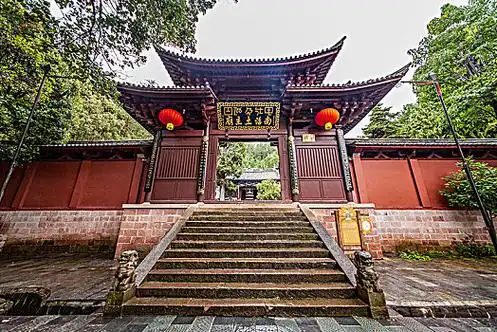
Taoist temples often use Lord of Heaven (福生无量天尊) during ceremonies. Priests say this phrase at the start of prayers. They also use it when they greet each other. Many followers say it when they enter a temple. This greeting shows respect for the divine. It also brings a sense of peace to everyone present. People believe that saying these words helps create a calm and blessed space.
Tip: When visiting a Taoist temple, try greeting others with Lord of Heaven (福生无量天尊). This simple act can help you feel connected to the tradition.
Families sometimes use this phrase at home. They may say it before meals or special events. This practice helps remind everyone to be thankful and to wish for good fortune.
Invocation and Blessing
Lord of Heaven (福生无量天尊) serves as a powerful invocation in Taoism. People chant it to ask for blessings and protection. Priests use it to invite positive energy during rituals. Many believe that these words can bring spiritual merit. They think the phrase helps remove bad luck and brings harmony.
Some Taoist texts teach that chanting Lord of Heaven (福生无量天尊) can help people feel calm. It can also help them focus their minds. This phrase acts like a bridge between humans and the divine. It reminds everyone to seek goodness and share blessings with others.
Note: Regularly saying Lord of Heaven (福生无量天尊) can help people feel safe and supported. It is a simple way to invite peace and happiness into daily life.
Spiritual Power
Effects of Chanting
Chanting 福生无量天尊 brings a sense of calm to many people. When someone repeats this phrase, they often feel peace in their heart. The sound of the words helps clear the mind. Many Taoist practitioners believe that chanting connects them to higher wisdom. They say the phrase out loud or in silence. Each time, they focus on the meaning of blessings and endless life.
Some people notice that their worries fade when they chant. Their breathing slows down. Their thoughts become gentle. This practice can help them feel safe and protected. Taoist teachers explain that the phrase acts like a shield. It keeps away negative energy. It also invites good fortune and harmony into daily life.
Tip: Try chanting Lord of Heaven (福生无量天尊) slowly and with care. Notice how your body and mind respond. Even a few minutes can make a difference. (Discover how the Taoist principle of non-action, or Wu Wei, can further enhance peace and reduce stress in daily activities by reading How Embracing Wu Wei Makes Work Less Stressful. This principle complements the calming effects of Taoist chants and rituals.)
Stories and Teachings
Taoist stories often show the power of Lord of Heaven (福生无量天尊). In one tale, a traveler faced danger on a mountain path. He remembered the phrase and began to chant. Soon, he felt courage and calm. He found his way safely through the mist. This story teaches that the phrase can guide people in hard times.
Another teaching tells of a family who used the phrase during illness. They gathered each day and chanted together. Over time, they felt hope and strength return. Their spirits lifted, and they supported each other with kindness. Taoist masters say that Lord of Heaven (福生无量天尊) brings people together. It helps them share blessings and face challenges with a peaceful heart.
Many temples encourage followers to use this phrase in daily life. They believe it brings spiritual merit. It reminds everyone to act with goodness and to wish well for others. In Taoism, the phrase stands as a symbol of endless blessings and the power of positive words.
Daily Life
Practical Use
Many people want to bring more blessings and peace into their daily routines. Lord of Heaven (福生无量天尊) offers a simple way to do this. People can use this phrase in different parts of their day. Here are some practical ideas:
Morning Start: Some people say Lord of Heaven (福生无量天尊) when they wake up. This helps set a positive tone for the day.
Before Meals: Families may say the phrase before eating. This shows gratitude and invites good fortune.
Greeting Others: Taoist followers often greet each other with Lord of Heaven (福生无量天尊). This spreads kindness and respect.
During Challenges: When someone feels stressed or worried, repeating the phrase can bring calm and courage.
Bedtime Reflection: Saying the phrase before sleep can help clear the mind and bring peaceful dreams.
Tip: Try writing Lord of Heaven (福生无量天尊) on a small card. Place it somewhere visible, like a desk or mirror. This gentle reminder can inspire positive thoughts throughout the day.
Reflection and Mindfulness
Using Lord of Heaven (福生无量天尊) also supports mindfulness. People can pause and reflect on its meaning during quiet moments. This practice helps them focus on blessings and harmony.
Take a few deep breaths and say the phrase slowly.
Think about the idea of endless blessings.
Notice any feelings of peace or happiness that arise.
Some people keep a journal. They write about their experiences with Lord of Heaven (福生无量天尊). This helps them see how the phrase brings comfort and joy.
Many Taoist teachers suggest using Lord of Heaven (福生无量天尊) as a way to return to the present moment. It reminds people to stay calm, grateful, and open to goodness each day.
Lord of Heaven (福生无量天尊) stands as a symbol of endless blessings and spiritual strength. Many people use this phrase to honor the divine and seek peace. It holds a special place in Taoism and daily life. People can say it to bring harmony, courage, and kindness into their world.
Using 福生无量天尊 each day helps people grow and share goodness with others.
Pieces That Carry This Intention
A few pieces from the shop that sit close to what this article is about.


FAQ
What does Lord of Heaven (福生无量天尊) mean in Taoism?
Lord of Heaven (福生无量天尊) means "Heavenly Honored One of Boundless Blessings and Life." Taoists use this phrase to wish for endless good fortune and spiritual growth.
What happens when someone chants Lord of Heaven (福生无量天尊)?
Many Taoists believe chanting Lord of Heaven (福生无量天尊) brings peace and calm. The words help people feel protected and connected to positive energy.
What times do people use Lord of Heaven (福生无量天尊)?
People say 福生无量天尊 during prayers, rituals, greetings, or when they want to share blessings. Some use it at home, in temples, or during special events.
What is the connection between Lord of Heaven (福生无量天尊) and Taoist gods?
Taoists link Lord of Heaven (福生无量天尊) to Taishang Laojun and the Three Pure Ones. These are important spiritual figures who represent wisdom and endless blessings.
What are some easy ways to use Lord of Heaven (福生无量天尊) every day?
People can say Lord of Heaven (福生无量天尊) in the morning, before meals, or when greeting others. Writing it on a card or repeating it quietly can also bring comfort and joy.
See Also
What is the Tao that can be told and what inspired the Tao Te Ching