
Is Monkey King a God or a Demon? Taoist Mythology Explained

The monkey king is seen as a god and a demon in Taoist mythology. Some people think he is a hero. Others believe he causes problems. His story makes it hard to give him just one label. Old stories show that one person can be both good and bad.
Key Takeaways
The Monkey King, Sun Wukong, has both god-like and wild sides. This shows that one person can have a mixed identity.
Wukong starts as a troublemaker but becomes a smart hero. This shows Taoist ideas about balance and growing as a person. His story still matters today. It inspires books, games, and art. It also teaches us about change and living in peace.
Gods and Demons in Taoism
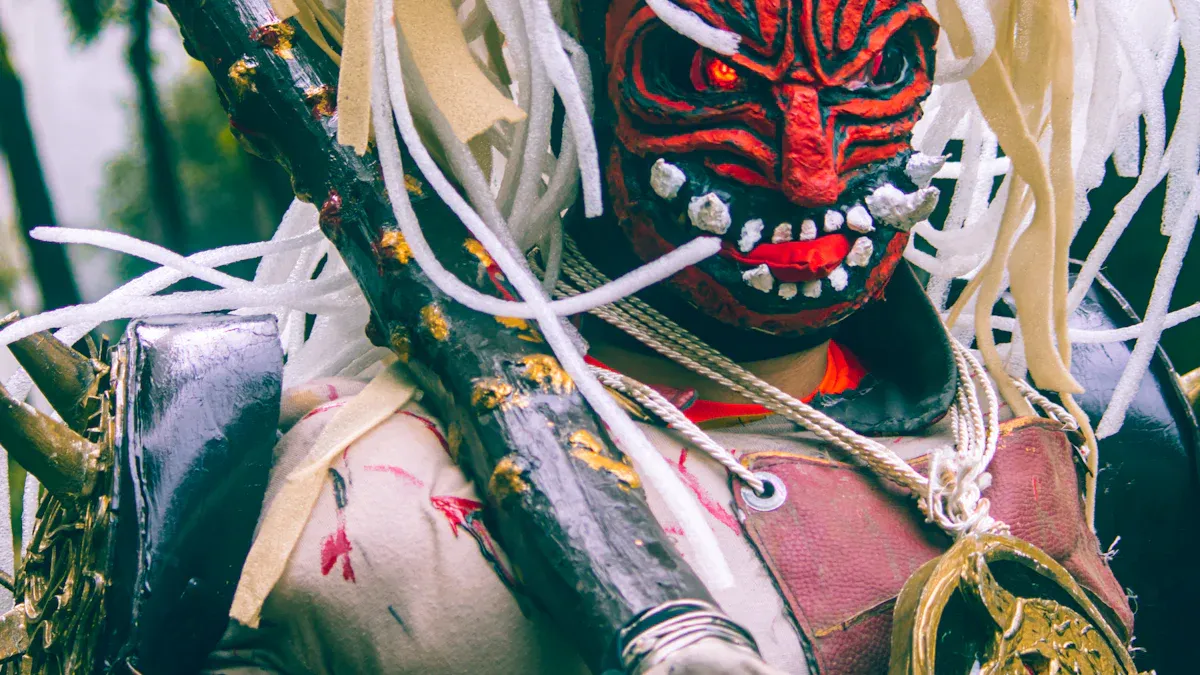
Taoist Gods Defined
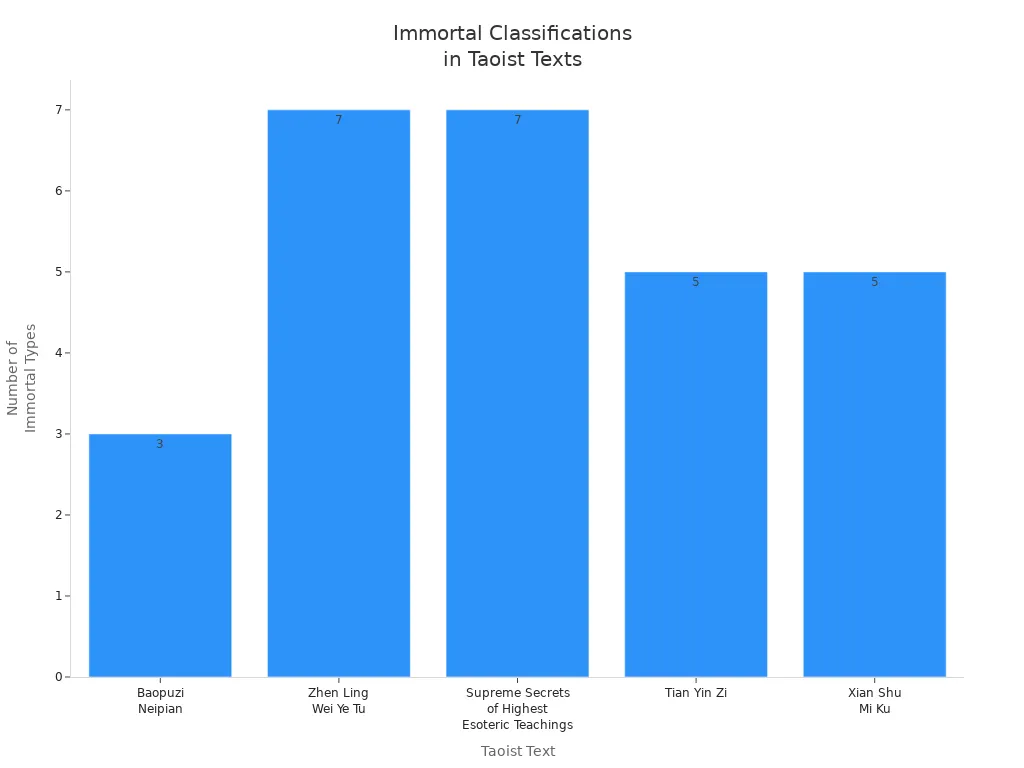
Taoist mythology talks about many gods and immortals. Each one has a job in the universe. Old books like the Baopuzi Neipian and Tian Yin Zi name different types of immortals and gods. Some live in heaven. Others watch over the earth or the underworld. The table below shows how some Taoist books sort immortals:
Text |
Classification of Immortals |
|---|---|
Baopuzi Neipian: Lun Xian |
Celestial Immortals, Earthly Immortals, Corporeal Transcendent Immortals |
Zhen Ling Wei Ye Tu |
Jade Pure, Upper Pure, Tai Chi, Supreme Pure, Nine Palaces, Cavern Heaven, Supreme Yin |
Supreme Secrets of the Highest Esoteric Teachings |
Guigan Officials Taoist, Earthly Immortal Taoist, True Earth Taoist, Nine Palaces Taoist, Supreme Pure Taoist, Tai Chi Taoist, Upper Pure Taoist, Jade Pure Taoist |
Tian Yin Zi |
Human Immortals, Earthly Immortals, Celestial Immortals, Water Immortals, Divine Immortals |
Xian Shu Mi Ku |
Celestial Immortals, Divine Immortals, Earthly Immortals, Human Immortals, Ghostly Immortals |
Gods, also called deities, rule the highest part of heaven. They follow rules set by the Jade Emperor. Immortals can live in lower places, like mountains or special lands. These beings get their powers by training and being good.
Demons and Spirits in Taoism
Taoist stories talk about many demons and spirits. These include demons (妖), spirits (精), ghosts (鬼), and monsters (怪). Demons can change shape. For example, the white snake turns into a woman after training for a long time. Spirits can come from animals, plants, or stones. Ghosts are souls that cannot leave. Monsters look like animals but act in odd ways. Demons usually live in wild, messy places. They often fight against the order made by gods and immortals.
Blurred Boundaries
The line between gods and demons is not always clear in Taoist stories. Some start as demons but later become gods or immortals. Others lose their place and turn into demons. Stories often show strange spirits who get power from imbalance in the Tao. These beings may use magic, change shape, or trick people. Sometimes, a deity can punish or save a demon and bring them into the group of gods. The monkey king’s story is like this. He changes roles, sometimes acting as a demon, sometimes as a god, and sometimes as a hero. This makes it hard to say what he really is.
Wukong’s Dual Nature
Sun Wukong’s Origins
Wukong was born from a stone on a mountain. This connects him to nature and magic. Many stories and beliefs shaped the monkey king. Taoist ideas, local tales, and stories about gibbons helped form his character. During the Han dynasty, Taoist groups shaped his image. Some experts think the writer of Journey to the West looked at Hanuman, a Hindu god, but not everyone agrees. Another possible source is Wuzhiqi, an old Chinese god who is like Wukong. In Fuzhou, people worshipped monkey gods, adding to his legend. These things show Wukong’s roots are deep in Chinese myths and folk beliefs.
Wukong’s story mixes Taoist, Buddhist, and folk ideas.
His tale shows the blend of beliefs in old China.
The monkey king is a special figure in Chinese stories.
Monkey King as Deity and Demon King
Wukong has powers that make him different from others. He can live forever, change shape, make copies of himself, and fly on clouds. These powers are like those of gods and strong demons in Taoist tales. At first, the monkey king is a demon king who causes trouble in heaven. He steals peaches, fights heavenly soldiers, and makes chaos. These acts show his wild side and link him to demons.
Later, Wukong gets jobs in the heavenly world. The Jade Emperor gives him a small job with horses. He feels insulted and calls himself the great sage, equal to heaven. At the end, the Tang Emperor calls him Great Sage Steel Muscles and Iron Bones. The Buddha gives him the title Buddha Victorious in Strife. These titles show Wukong moves between being a demon and a god.
Title |
Translation |
Description |
|---|---|---|
Gangjin Tiegu Dasheng |
Great Sage Steel Muscles and Iron Bones |
Divine title from Tang Emperor Taizong at the journey’s end. |
Bimawen |
To Assist Horse Temperament |
Minor post overseeing celestial horse stables, given by the Jade Emperor. |
Dou Zhansheng Fo |
Buddha Victorious in Strife |
Buddha title from the Tathagata at the end of journey to the west. |
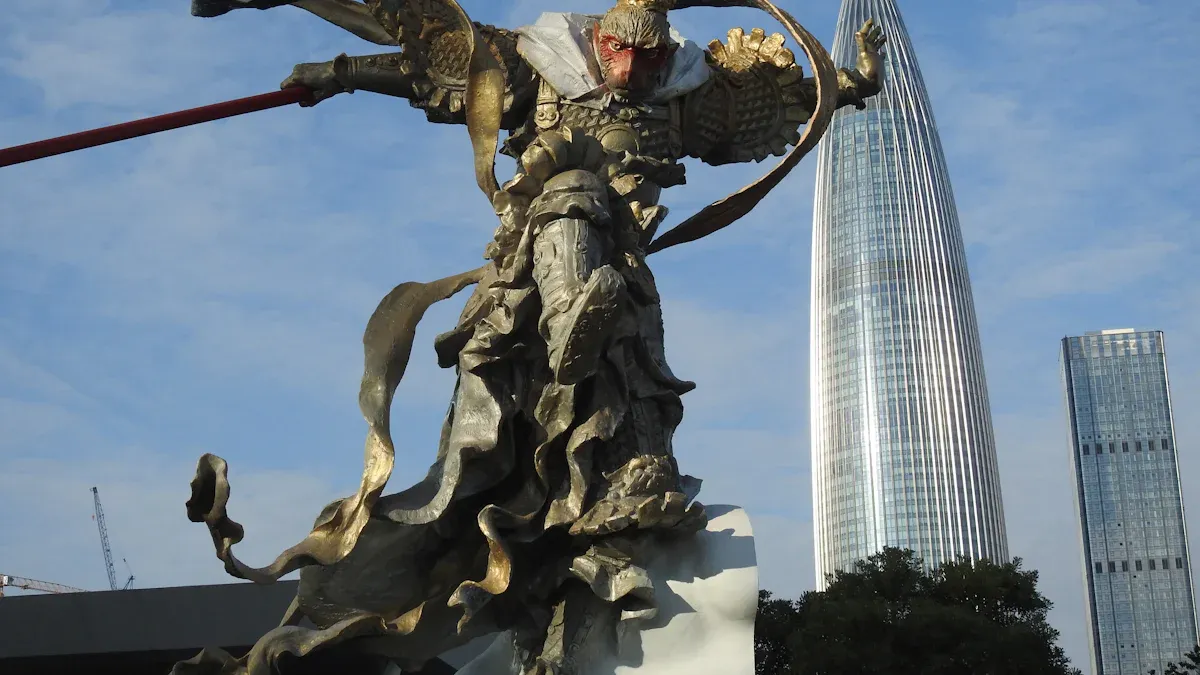
Wukong’s ties with gods and demons are not simple. He fights against heaven but later helps his master. Taoist ceremonies sometimes honor him as a great sage. Statues show him ready to fight or defend, showing his two sides.
Key Stories of Sun Wukong
Many stories show Wukong as both god-like and demon-like. He acts as a trickster, challenges leaders, and mocks the heavenly palace. The monkey king does not respect the gods and calls them proud. After the Jade Emperor shames him, he calls himself the great sage, equal to heaven. He beats many heavenly soldiers, showing his strength and wild spirit.
Some tales show Wukong’s violent side. He kills hunters and even threatens his master after joining the trip. These acts remind us of his demon king side. But he also protects his friends and fights bad spirits. His journey from troublemaker to wise hero shows Taoist and Buddhist ideas. In Taoism, he stands for change and living forever. In Buddhism, his name means “wake up to emptiness,” showing his path to wisdom.
Wukong’s story teaches about balance and change.
He goes from fighting to peace, showing chaos and order.
The monkey king’s actions show yin and yang in Taoism.
Why the Debate Persists
People still wonder what Wukong really is. Chinese myths often mix gods and demons. Wukong’s story shows one being can be both. Folk tales call him a trickster-god, but not someone to worship. He changes from demon to immortal to Buddha, making his identity complex.
Books and games keep the debate going. New stories and games let kids learn about the monkey king. Players in games like Black Myth: Wukong connect with old culture in new ways. This helps build modern culture and keeps Wukong important.
Art also shows Wukong’s unclear status. He looks like a rebel, a hero, and a wise leader. Taoist ceremonies honor him as a protector. Today, Taoist followers see his story as a lesson in growing and finding balance.
Wukong’s story teaches about being divine and rebelling. He stands up to leaders but learns to be wise. His story tells us to find balance and peace, just like Taoism teaches.
The monkey king’s two sides show the balance of opposites in Taoism. He is both a god and a demon, showing that identity can be complicated and always changing.
(To learn more about the importance of balance, see Living in Harmony with Taoism: Finding Balance and Energy Flow in Daily Life.)
Sun Wukong acts like both a god and a demon. Taoist mythology makes his identity hard to explain. People still like his story for many reasons:
He turns chaos into order.
He mixes being himself with helping others.
He fits into different cultures and stories.
Readers can see that his journey is about change and balance.
Pieces That Carry This Intention
Amulets and talismans in the same protective lineage this article draws on.


FAQ
What makes Sun Wukong different from other gods or demons?
Sun Wukong shows both divine and wild traits. He learns from mistakes. His story teaches people about change and balance in life.
What does Sun Wukong’s journey mean in Taoist mythology?
His journey stands for personal growth. He moves from chaos to wisdom. Taoist stories use his path to show how people can find harmony.
What role does Sun Wukong play in modern culture?
People see Sun Wukong as a symbol of strength and cleverness. He appears in books, games, and art. His story inspires many to overcome challenges.
See Also
Living in Harmony with Taoism: Finding Balance and Energy Flow in Daily Life