
How to Practice Taoist Belly Breathing

You do Taoist belly breathing by relaxing your chest. Let your belly get bigger when you breathe in. Pull your belly in gently when you breathe out. Normal breathing follows this pattern. Reverse breathing is the opposite. Taoist belly breathing is different from other ways. You breathe out through your mouth to let out old energy and toxins.
Key Takeaways
Taoist belly breathing can lower stress and help you focus better. Do it every day to feel more calm and balanced.
Try regular and reverse breathing to boost your energy and health. Regular breathing makes your belly get bigger, but reverse breathing makes your belly go in.
Make sure your space is comfortable when you practice. Pick a quiet place and pay attention to your breathing to get the most out of it.
What Is Taoist Belly Breathing?
Definition and Origins
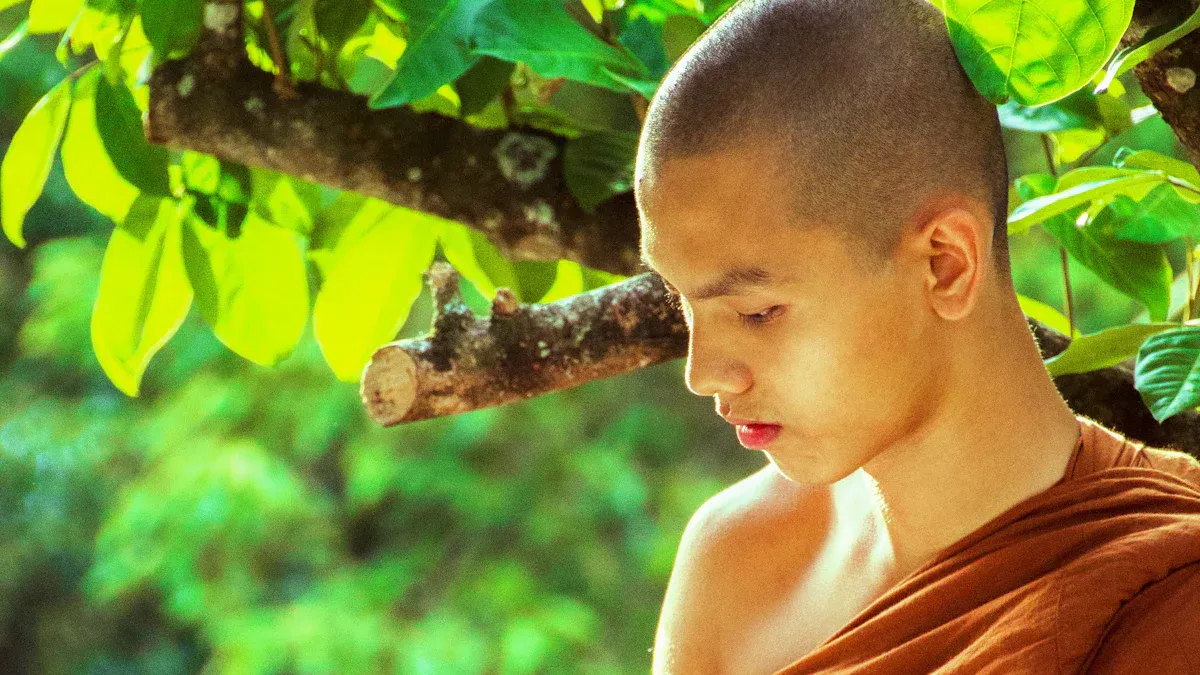
Taoist belly breathing started in ancient China. The Neiye is an old Taoist book. It talks about how to control your breath. The book says breathing is like "coiling and uncoiling." Coiling means you breathe out. Uncoiling means you breathe in. Taoist monks used this way of breathing for a long time. It helped them balance their bodies and minds.
You pay attention to your lower abdomen, called the lower dantien. When you breathe in, your belly gets bigger like a bellows. When you breathe out, your belly gets smaller. This is not the same as hara breathing. Hara breathing keeps the belly big all the time. Taoist belly breathing is part of Neidan, or inner alchemy. Neidan teaches you to use your breath to help your health and energy.
(If you want to know more about breathwork in Taoism, you can read Taoist breathwork for health, vitality, and energy alignment.)
Purpose and Benefits
You may ask why people do Taoist belly breathing. The reason is easy: it helps your body and mind in many ways.
You can think better and solve problems faster.
You feel less stress and worry.
Your mind does not wander as much, so you focus better.
You feel calm and peaceful.
Tip: Try this breathing if you feel nervous or distracted. It can help you relax and feel good.
Scientists have studied this breathing and found more good things. Here is a quick look at what they found:
Evidence Type |
Findings |
|---|---|
Clinical Conditions |
Breath-based exercises help with PTSD, anxiety, and burnout. |
Meta-analysis |
Breathwork lowers stress, anxiety, and depression. |
Cortisol Levels |
Regular practice reduces stress hormones in your body. |
Regular and reverse Taoist belly breathing help your body in different ways. Regular breathing keeps your heart and nerves steady. Reverse breathing can make your immune system stronger. It means you tighten your belly when you breathe in.
How to Practice Taoist Belly Breathing
Preparation and Posture
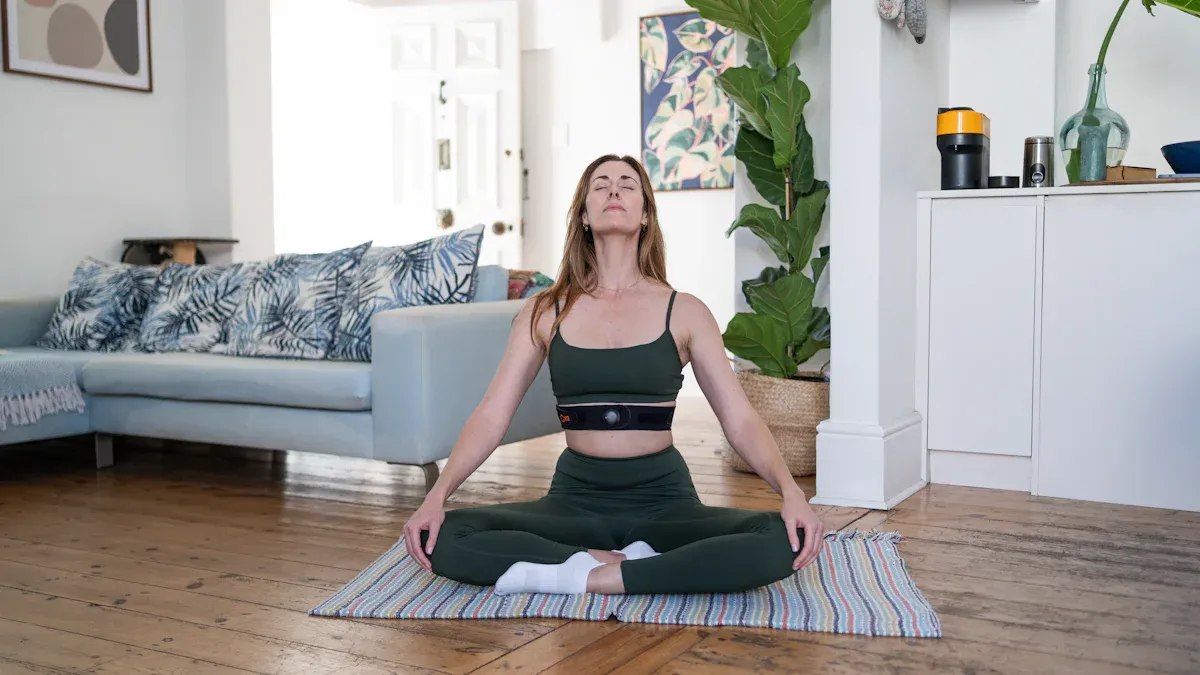
Before you start, find a quiet spot where you feel safe and comfortable. You can sit on a chair with your feet flat on the ground or cross-legged on a cushion. Keep your back straight but not stiff. Let your shoulders drop. Rest your hands on your thighs or place them gently on your lower belly. If you want, try sitting outside or near a window. The right environment can make your practice feel easier and more enjoyable.
Here’s a quick look at how different settings can help:
Environment |
Activity |
Benefits |
|---|---|---|
Outdoor spaces |
Morning Tai Chi sessions |
Improved balance, less stress |
Garden/yard |
Mindful gardening |
Daily grounding, routine |
Any outdoor view |
Watching sunrise/sunset |
Better sleep, natural rhythm |
Parks/trails |
Mindful walks in nature |
Exercise, mental clarity |
Tip: Try practicing Taoist belly breathing in the morning. Fresh air and natural light can boost your mood and help you focus.
Breathing Steps
You can practice two main types: regular and reverse Taoist belly breathing. Both help you relax and build energy, but the steps are a little different.
Regular (Normal) Taoist Belly Breathing
Sit comfortably with your tailbone grounded and your head lifted.
Tuck your chin slightly. Touch your tongue to the roof of your mouth.
Relax your whole body, especially your chest.
Place your palms on your lower belly.
Inhale slowly through your nose. Feel your belly expand like a balloon.
Exhale gently through your mouth. Let your belly fall back in.
Keep your chest soft and still. Let your breath move your belly, not your chest.
Repeat for 5–10 minutes. Focus on the gentle rise and fall of your abdomen.
Reverse Taoist Belly Breathing
Sit in the same comfortable position as before.
As you inhale, gently pull your belly in toward your spine.
Lift your pelvic floor (the area between your legs) slightly as you breathe in.
As you exhale, let your belly relax and expand outward.
Keep your chest relaxed and your breath slow.
If you feel tense, switch back to regular breathing until you feel calm.
Practice for a few minutes, then rest.
Note: Reverse breathing feels strange at first. Go slow and listen to your body.
(If you want more details on breathwork, check out Breathwork techniques for energy and relaxation.)
Taoist Belly Breathing Tips
Meditate in a comfortable seat. Let your tailbone press down and your head float up.
Scan your body from head to toe. Relax each part as you go.
Keep your chest soft. Use your diaphragm and belly muscles to breathe.
Place your hands on your belly. Feel the movement with each breath.
Start with 5–10 minutes each morning. Early hours (5:00–7:00 AM) work best for many people.
Focus on slow, steady breaths. Aim for about five breaths per minute.
Practice in different positions: sitting, standing, or lying down.
Callout: Mindful breathing helps your body relax. It also calms your mind and lowers stress.
(To explore more breathing tips, see Quick Taoist Breathing Tips for Stressful Moments.)
Common Mistakes
Many beginners try to control their breath too much. This can make Taoist belly breathing feel forced or tense. Instead, watch your breath and let it flow naturally. Here are some common mistakes and how to fix them:
Believing you must always control your breath in a set pattern.
Thinking reverse breathing is only for experts. It is a natural pattern you can learn.
Repeating instructions without understanding how your body feels.
Breathing shallowly or only in your chest.
Forgetting to relax your chest and shoulders.
Letting your lower ribs flare out too much or not using your belly muscles.
To fix shallow breathing, close your eyes and relax. Picture your diaphragm moving as you breathe. Let your belly expand when you inhale. If your belly feels tight, focus on sending your breath there. Count your breaths to build a steady rhythm.
Tip: If you notice tension, pause and return to normal breathing. Over time, you will find your own natural flow.
Daily Integration
You can add Taoist belly breathing to your day in simple ways. Try it while waiting for the bus, before meals, or during a walk. Place one hand on your chest and one on your belly. Breathe in for four counts, hold for four, and breathe out for six. Do this for five to ten minutes. Focus on how your body feels before and after.
Here are some easy reminders:
Sit or stand with your spine straight.
Place your hands on your chest and belly.
Breathe deeply, letting your belly rise and fall.
Practice during natural breaks, like before eating or while commuting.
Reflect on any changes in your mood or energy.
Consistent practice brings the best results. Over time, Taoist belly breathing can boost your mental clarity, balance your emotions, and give you more energy. Mindful breathing also helps your body handle stress and keeps your mind calm.
Remember: The more you practice, the more natural it feels. Let your breath guide you to a calmer, healthier day.
You can master Taoist belly breathing by following these steps:
Inhale through your nose and let your belly expand.
Exhale and relax your chest as your belly returns.
Focus on gentle movement in your lower, middle, and upper belly.
Keep practicing every day. You will feel calmer and stronger over time.
Pieces That Carry This Intention
Beads meant to be handled while you practice, not just worn.


FAQ
How often should you practice Taoist belly breathing?
You can practice every day. Even five minutes in the morning or before bed helps. The more you practice, the easier it feels.
Can you do Taoist belly breathing lying down?
Yes, you can! Lying down makes it easier to feel your belly move. Try it before sleep for extra relaxation.
What if you feel dizzy while practicing?
Stop and breathe normally. Dizziness means you might breathe too fast. Slow down next time and keep your breaths gentle.
See Also
Taoist breathwork for health, vitality, and energy alignment