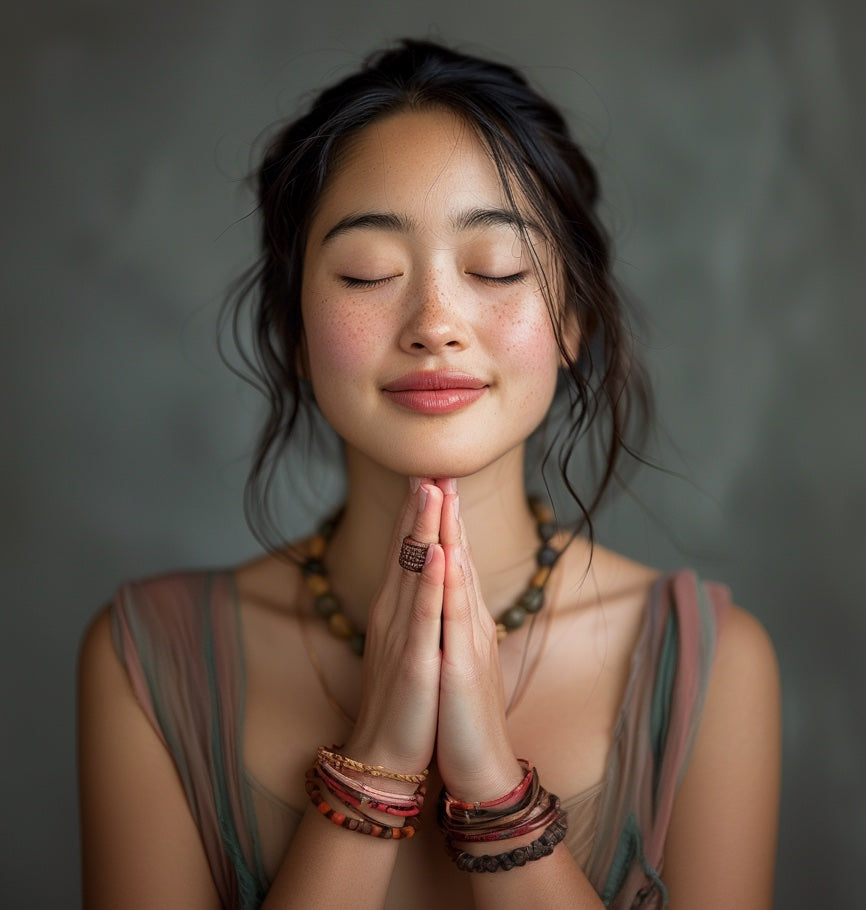

What Is Stillness and How Can We Experience It Today

You might hear that stillness is a calm state where you can truly experience stillness. Your mind feels clear and peaceful. Zen Buddhism teaches that stillness is emptiness, allowing your heart to react to what is happening now. Silence helps you rest and feel together inside. Today, screens and interruptions make it harder to find this stillness. Research shows that just two minutes of silence can lower stress and improve your mood. It's essential to have time to pause and rest, as this helps you find balance in a busy world.
Key Takeaways
Stillness is not just being quiet. It is a way to notice what is happening now. It helps you feel connected to the present moment.
Mindful breathing can help lower stress. It can also make you feel happier. This is an easy way to find stillness anywhere.
Taking breaks from technology gives your mind a rest. This helps you focus better. It also helps you feel more balanced.
Journaling lets you think about your thoughts and feelings. It helps you know yourself better. It can also help you heal emotionally.
Making a routine with stillness can help you feel better. It can also make your mind clearer.
Understanding Stillness in a World of Constant Stimulation

What Does Stillness Mean?
You might ask what stillness really is. Stillness is not just being quiet or not moving. It means being aware of yourself and what is around you. Many cultures think stillness is a way to pay attention to now. You do not have to leave life behind. You choose to notice what is happening. This helps you see things clearly and learn, even when life is busy. Stillness is not the same as silence. It is a strong feeling of being aware. It helps you feel happy and close to others.
Ancient Wisdom on Stillness
Old teachings give us lessons about stillness. Taoist philosophy says to live in the moment and let your actions come naturally. Lao Tzu teaches that being simple and quiet in your mind brings peace with the Tao. The Tao Te Ching says:
"Stillness is the key to clarity and harmony."
This means if you accept stillness, your mind becomes clear. You feel close to nature. The Bhagavad Gita also says stillness helps you rise above worries and find your true self. These old ideas show stillness leads to wisdom and helps you grow.
Modern Perspectives on Stillness
Today, there is always something happening. Technology brings alerts, messages, and lots of information. Many people feel they must always be online. This makes it hard to find stillness. Your mind may feel busy and jumpy. Experts say stillness helps you relax, focus, and notice the present. The table below lists some good things about stillness:
Benefit |
Description |
|---|---|
Reduced stress and anxiety |
Quiet times help you calm down and feel less stress. |
Improved focus and concentration |
Stillness helps you pay attention to what matters now. |
Increased creativity |
Your mind gets clear, so new ideas can come. |
Improved sleep |
Calmness helps you sleep better at night. |
Enhanced self-awareness |
You notice your thoughts and feelings without judging them. |
Improved relationships |
You listen better and feel closer to others. |
When you pick stillness, you give yourself time to be present. You can do well, even when there are many distractions.
The Necessity of Stillness for Mind and Body
Health Benefits of Stillness
Stillness is important for your mind and body. When you stop and rest, your body can heal. Studies show stillness helps people with cancer feel less pain and worry. Your heart rate can slow down. Your blood pressure may go down too. Quiet time helps people sleep better and feel more awake. The table below shows how stillness helps different people:
Health Benefit |
Population/Condition |
Key Findings |
|---|---|---|
Cancer Care |
Cancer Patients |
Reduced anxiety, depression, fatigue, and pain; improved immune function and quality of life. |
Cardiovascular Health |
General Population |
Moderate reductions in blood pressure; improved heart rate variability and autonomic balance. |
Mental Health Disorders |
PTSD and Chronic Illnesses |
Comparable effectiveness to established psychotherapies; benefits for pain management and adaptation. |
Cognitive Decline Prevention |
Elderly |
Preserved brain structure; improvements in executive function and neuroprotective effects. |
Stillness lowers stress hormones like cortisol. This helps your immune system work better. It also helps your body heal. You may feel happier and more balanced.
Stillness and Inner Wisdom
Stillness lets you listen to your inner wisdom. Old teachings, like the Tao Te Ching, say going back to your roots brings clarity. You can find answers inside when you slow down. Quiet moments help you notice your thoughts and feelings. You do not judge them. Mindfulness shows you what matters most. Many leaders use mindfulness to know themselves and make good choices. You connect more with yourself and others. Here are some ways stillness helps inner wisdom:
Quick self-checks help you choose better.
Mindfulness makes you kinder and more understanding.
Knowing your goals helps you think clearly and keep going.
The Tao Te Ching teaches, "Returning to one’s root is called stillness."
Emotional Balance Through Stillness
Stillness helps you find emotional balance. When you watch your feelings without changing them, you get stronger. Mindfulness helps you accept feelings and face hard times calmly. Studies show people who accept their feelings feel less worry and fear. You connect with your emotions and learn to stay calm. The table below shows how stillness helps control emotions:
Study |
Findings |
|---|---|
Feldner et al. (2003) |
Mindful observation reduced anxiety compared to emotional suppression. |
Levitt et al. (2004) |
Acceptance group reported lower anxiety levels than suppression groups. |
Eifert & Heffner (2003) |
Acceptance training led to less fear and lower avoidance. |
Stillness gives you space to notice and connect. You learn to trust yourself and handle stress better. Stillness is needed for peace, wisdom, and strong emotions.
Essential Discipline of Stillness: How to Experience Stillness Today
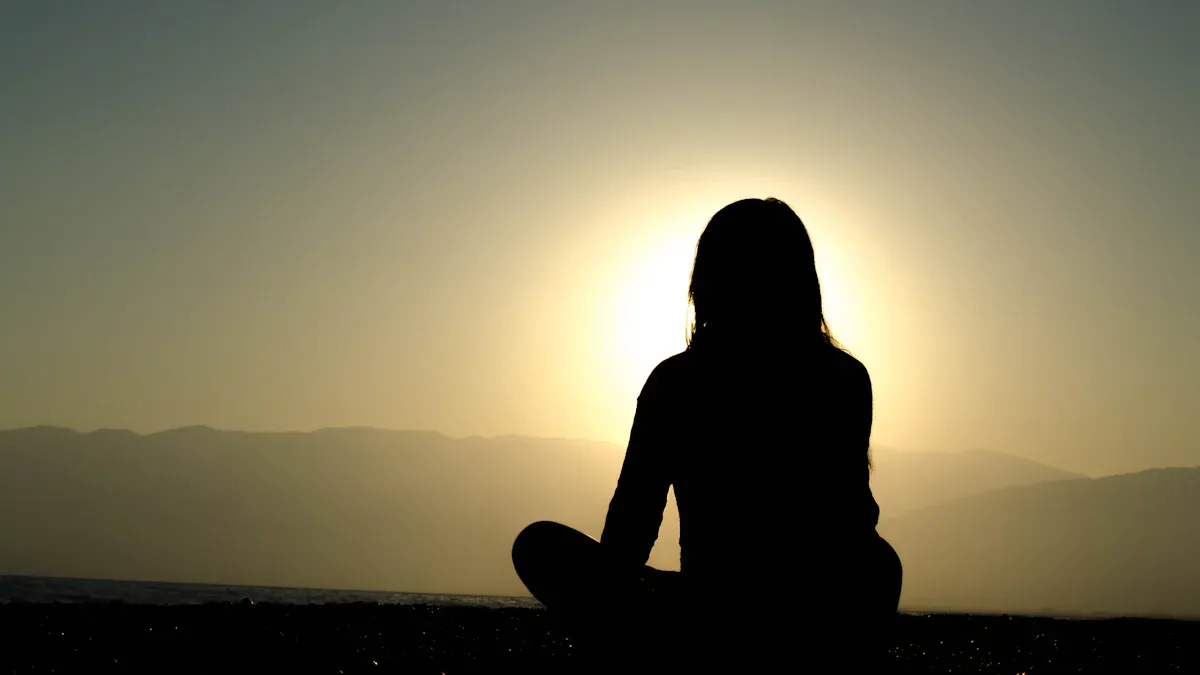
You can find stillness by using simple habits. These habits help you feel calm and clear. Stillness does not mean you run away from life. It means you pay attention to now and rest during your day. When you quiet your mind, you find wisdom inside. You also feel more peaceful. Mindfulness helps you learn how to be present, even when life is busy.
Mindful Breathing Practices
Mindful breathing is a great way to feel stillness. You do not need special things or a quiet place. You only need your breath and time to pause. Mindful breathing meditation helps lower stress, anxiety, and sadness. You can do it anywhere. This makes it easy to use every day.
Breath techniques like coherent breathing and alternate nostril breathing help you relax. These methods help your heart work better. Your body can handle stress more easily. Slow breathing helps you feel stronger and balanced. When you focus on your breath, you give yourself a break. This break helps your mind calm down and your body feel peaceful.
Mindful breathing can help you feel less stressed.
It helps you notice what is happening now.
It changes how your brain handles feelings, so you can manage stress.
You can feel stillness by watching each breath. Each breath is a quiet moment. It helps you feel calm and close to yourself.
(To explore more about breathing practices, see Quick Taoist Breathing Tips for Stressful Moments.)
Technology Breaks and Digital Detox
Technology brings lots of alerts and information every day. Taking breaks from screens gives you space for stillness. Nature walks or time without screens help lower stress and help you focus. These habits give your mind a break from digital noise.
Findings |
Benefits |
|---|---|
72-hour smartphone break |
Changes in brain areas for reward and control |
Less screen time |
Calms your brain and lowers need for screens |
Reduced screen time |
Better sleep, less stress, more focus, better relationships, more calm |
You can also try taking a break from social media. Many people sleep better and feel happier with less stress after stopping social media. Some feel closer to friends and family. Even a short break, like one week off Instagram, can make you feel better.
Here are some tips for digital detox:
Guideline |
Description |
|---|---|
Make Screen-Free Zones |
Have places at home with no screens allowed. |
Set Screen Time Limits |
Use apps to track and limit your screen time. |
Do Offline Activities |
Spend time on hobbies, exercise, or reading. |
Use a Digital Curfew |
Turn off screens one hour before bed for better sleep. |
Clean Up Digital Spaces |
Organize your online life to have fewer distractions. |
Take Tech-Free Breaks |
Take breaks from screens to help your mind reset. |
Set goals for your digital health. Find new ways to spend your time. Meet people offline and use mindfulness during breaks. This helps you feel stillness and peace.
Reflection and Journaling
Reflection is a strong way to find stillness. Journaling lets you pause and think about your thoughts. When you write, you slow down and notice the present. This helps you reflect and see what is happening now.
Journaling gives you a safe place to pause and think.
It helps you notice your feelings and be mindful.
Writing helps you heal and understand your emotions.
You can see your growth and progress over time.
Reflection through journaling helps you feel in control and strong.
You can use prompts to help you reflect and find stillness. Here are some prompts to guide you:
Prompt Number |
Journaling Prompt |
|---|---|
341 |
What is happening right now? |
342 |
What five things do I see, and what colors, shapes, and textures do they have? |
343 |
If my mind was like the ocean, what is the water like? |
344 |
What thoughts am I noticing now? |
345 |
What senses am I using in this moment? |
350 |
What feelings do I have now, and how can I accept and be kind to myself? |
To get the most from reflection, write often. Use different prompts to keep it interesting. Write honestly and do not judge yourself. You can also draw or make diagrams to show your feelings. After writing, think about what you learned and how you can use it. This helps you find peace and enjoy stillness.
Creating a Stillness Routine
It is easier to find stillness if you make a routine. You can stay present with simple steps. The 5-4-3-2-1 method helps you notice your senses. Name five things you see, four you touch, three you hear, two you smell, and one you taste. This helps you stay in the moment and feel stillness.
You can also use small moments to be aware. Feel warm water when you wash your hands. Notice your steps when you walk. These short pauses help you quiet your mind and feel calm.
Keep your space neat to avoid distractions. Plan times to check emails or messages. This helps your mind stay clear and gives you quiet moments. When you take short breaks, your brain gets rest. You become more creative and focused.
Finding |
Percentage Change |
|---|---|
Better concentration |
22% |
Less work stress |
17% |
You can stretch, walk, or meditate for a few minutes. Each break helps you feel stillness and supports your health. Over time, these habits help you find stillness, quiet your mind, and stay present.
Finding stillness is a journey. Every pause, every reflection, and every breath brings you closer to peace. You learn the discipline of stillness by making time for rest and enjoying stillness each day.
You can change your life by choosing stillness right now. If you practice for a long time, your focus gets stronger. This also helps your mind stay healthy. Many people, like Claire, feel calm and happy from meditation and thinking quietly. You might have problems like a busy life or not liking silence. But you can start with easy steps.
Set aside quiet time every day
Pick a calm place to sit
Loving others and being part of a group takes work and being open, especially when things are hard. This shows why we need each other to grow.
Pick stillness and take back peaceful moments.
(If you're curious about meditation and want to know how to start, check out Ancient Taoist meditation for inner peace.)
Pieces That Carry This Intention
Beads meant to be handled while you practice, not just worn.


FAQ
What is the best way to start practicing stillness?
You can begin with just one minute of mindful breathing each day. Find a quiet spot. Focus on your breath. Let your thoughts come and go. This simple step helps you build a habit of stillness.
What if I feel restless or distracted during stillness?
Feeling restless is normal. You can gently bring your attention back to your breath or senses. Over time, your mind will settle. Remember, every moment of practice counts.
What benefits can I expect from regular stillness?
You may notice less stress, better focus, and a calmer mood. Stillness can help you feel more balanced and connected to yourself. Many people also find greater clarity and inner peace.
What if I do not have much time for stillness?
You can use small moments. Pause while waiting in line or take a few deep breaths before a meeting. Even short breaks help you find calm and refresh your mind.
What should I do if my environment is noisy?
Try using earplugs or calming music. You can also focus on your breath or a simple object. Stillness is possible, even in busy places, when you turn your attention inward.