
Easy 3-Minute Meditations for Stress Management

You can feel more relaxed in only three minutes. Fast meditation practices are easy to add to your day. You can do them even if you are very busy or new to meditation. You do not need any special tools. These easy steps can help you feel better and think clearly at any time or place.
Key Takeaways
You can feel less stressed by meditating for three minutes each day. You can also feel happier when you do this.
Setting an intention before you meditate helps you pay attention. It also helps you clear your mind. This makes meditation work better.
You can meditate almost anywhere. You can do it at work, while traveling, or at home. This makes it easy to add meditation to your busy day.
Why Quick Meditation Practices Work
Science of Short Sessions
You may ask if short meditation can help you. The answer is yes! Scientists have checked short meditation and found it lowers stress. It also helps you feel better. Here is a quick look at what some studies show:
Study Title |
Findings |
Link |
|---|---|---|
Short-Term Meditation Training Fosters Mindfulness and Emotion Regulation |
Short-term meditation lowers stress and helps you feel good. |
|
The Effectiveness of Mindfulness-Based Stress Reduction on the Psychological Functioning of Healthcare Professionals |
Daily meditation helps you handle stress and feel better. |
When you meditate for three minutes, your body calms down. Here is what happens:
Your blood pressure goes down
Your stress hormones drop
Your body moves from stress to calm
Short meditation can help as much as long meditation. You do not need a long time to feel better. Even a few minutes can help you control your feelings and worry less.
Benefits for Busy Lives
You do not need lots of free time for meditation. You can fit it in your day, even if you are busy. Here are some top benefits people notice:
Less stress and worry
Better mood and feelings
More self-awareness
Longer focus
Better sleep
You can do a one-minute meditation almost anywhere. These short times help you feel calm and focused, even when busy. Many people find starting with short meditation helps them build a habit.
Tip: If you want more ways to add mindfulness to your day, check out the article How to Use Prayer Beads for Enhanced Meditation Techniques.
Getting Ready for Meditation
Setting Intention
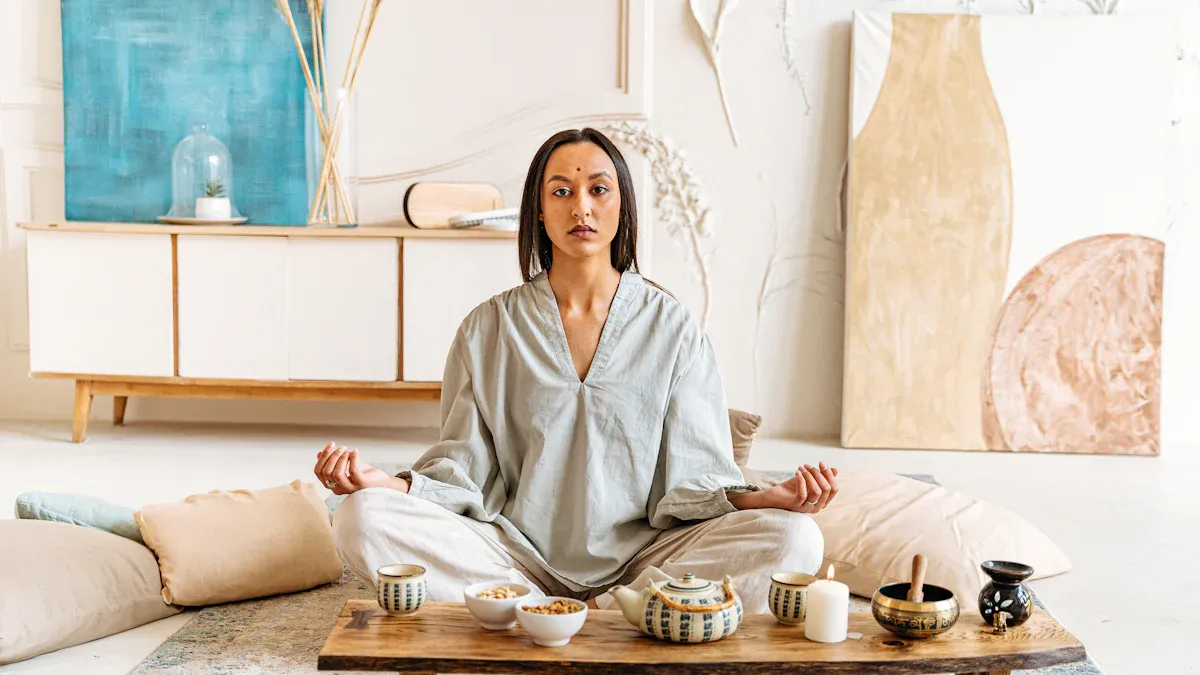
Before you start, take a moment to set your intention. This step helps you focus and clear your mind. You might want to feel calm, let go of stress, or just be present. Your intention acts like a guide. It keeps you on track when your thoughts wander.
Setting an intention gives you a framework for focus, making it easier to let go of mental clutter.
Your intention works as an anchor. If you feel stressed, you can return to it and reset.
Intentions are flexible. You do not have to reach a goal. You just need to show up for yourself.
Tip: Try saying your intention out loud or writing it down. This can make it feel more real and help you remember it during your meditation practices.
Finding Your Space
You do not need a fancy room to meditate, but your environment matters. Choose a spot where you feel safe and comfortable. Many people like warm rooms with soft lighting. Some prefer cushions or a view of greenery. Quiet helps, but you can also use gentle sounds if that feels good.
Most people set up a special space for mindfulness. This helps you get into the right mindset.
Warm and cozy rooms make meditation easier. Cool colors or cold air can distract you.
Cushions, plants, and silence help you relax. You might like a window or a quiet corner.
Everyone has different needs. Try a few spots and see what works best for you.
3-Minute Meditation Practices
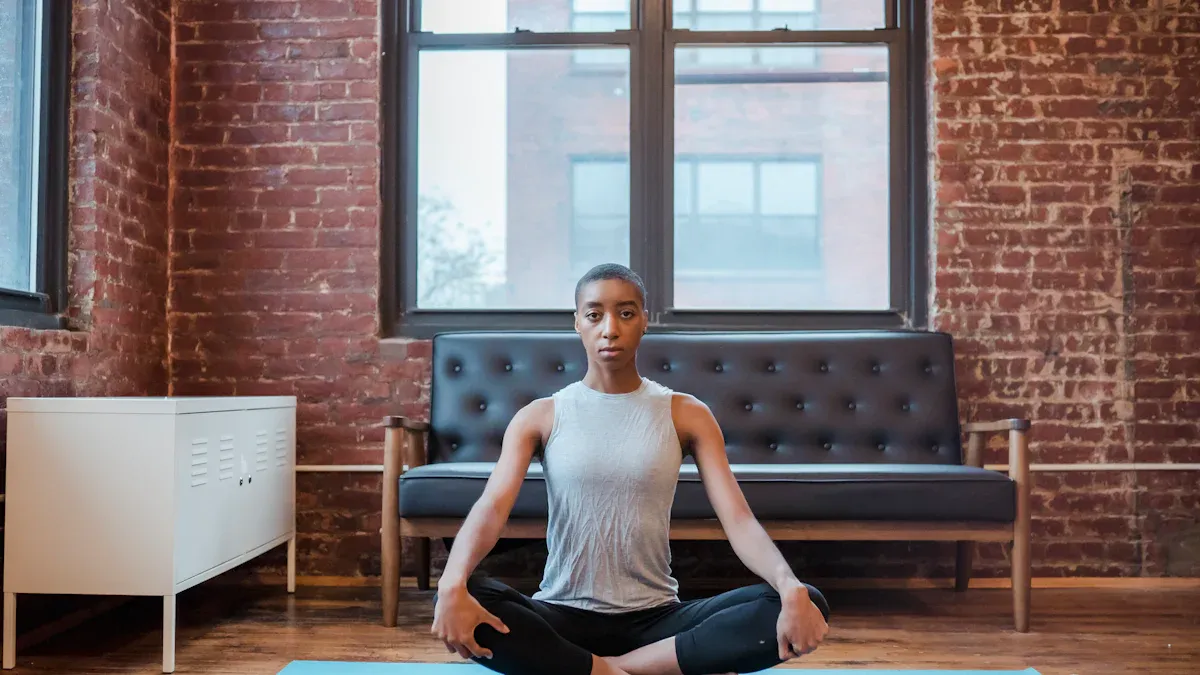
You do not need a lot of time to feel the benefits of meditation practices. In just three minutes, you can use simple steps to calm your mind and body. Here are six easy meditation practices you can try anywhere.
Intentional Breathing
Intentional breathing is one of the fastest ways to relax. You can do this at home, at work, or even outside. Here’s how you can practice intentional breathing in three minutes:
Notice what is going on with you right now. Tune into your thoughts, feelings, and body. Let things be as they are.
Focus your attention on your breath. Feel the air as you inhale and exhale. If your mind wanders, gently bring it back to your breath.
Expand your awareness to your whole body. Notice any sensations from head to toe. Allow these feelings to be there, then slowly return to your day.
Tip: You can do intentional breathing while sitting at your desk, waiting in line, or even during a break outside.
Here’s what science says about intentional breathing for stress relief:
Evidence Type |
Findings |
Implications |
|---|---|---|
Breathwork Practices |
Enhance mood and reduce physiological arousal |
Immediate stress relief |
Yogic Breathing |
Increased feelings of peacefulness, decreased anxiety |
Improved emotional regulation |
Controlled Breathing |
Greater improvement in mood than mindfulness alone |
More effective for anxiety |
Mindfulness Meditation
Mindfulness meditation helps you stay present. You can use this practice when you feel overwhelmed or distracted. Follow these steps:
Sit with a straight back. Place your feet on the floor. Feel the points where your body touches the seat.
Breathe in through your nose. Notice your chest rising and falling. If thoughts pop up, gently bring your focus back to your breath.
Breathe into the space around you. Imagine your breath filling every part of your body. Notice any thoughts or feelings, but let them pass.
Note: Mindfulness meditation can change how your brain reacts to stress. It can lower your breathing rate and blood pressure. Many studies show that mindfulness reduces stress, anxiety, and depression while improving your well-being.
You can practice mindfulness meditation at your desk, in a quiet room, or even outside on a bench.
Try closing your eyes or looking at a spot on the floor to help you focus.
"One of the most well-documented effects of mindfulness meditation is stress reduction," said Dr. Greenberg.
Walking Meditation
Walking meditation lets you move your body while calming your mind. This is great if you feel restless or need a break from sitting. Here’s how to do it:
Stand tall in mountain pose. Take a few deep breaths and notice how your body feels.
Take small, slow steps. Match your steps to your breath. Focus on the rhythm of your movement.
When you reach the end of your path, stop and breathe deeply. Turn around and walk back.
Choose where to look—down at your feet or at your surroundings.
Keep your attention on your breath and steps. If your mind wanders, gently bring it back.
Pick a short, quiet path. You can walk in your living room, down a hallway, or outside.
Wear comfortable shoes or go barefoot to feel the ground.
Try walking slower for calmness or a bit faster if you feel sleepy.
For those who wish to deepen their connection with nature during this practice, you can explore the principles outlined in Taoism Outdoor Meditation Instructions.
Study Title |
Findings |
|---|---|
Experimental effects of brief, single bouts of walking and meditation on mood profile in young adults |
A 10-minute bout of brisk walking and meditation both improved mood state, compared to an inactive control group. |
Mindful Walking in Psychologically Distressed Individuals: A Randomized Controlled Trial |
Mindfulness training, derived from walking meditation, has shown effectiveness in reducing symptoms of psychological distress. |
Body Scan
A body scan helps you notice and relax each part of your body. This practice can help you let go of tension and stress. You can do a body scan sitting, lying down, or even standing.
Listen to a 3-Minute Body Scan Meditation for a guided experience.
You can also try the Short Body Scan (3 mins) for a quick session.
Body scan meditation helps your body remember how to relax. It can lower stress hormones and make it easier to move from stress to calm.
Adding body scan meditation to your self-care routine can help both your body and mind feel better.
Mantra Meditation
Mantra meditation uses a word or phrase to help you focus. You can do this practice almost anywhere, even in a noisy place.
Pick a short, uplifting mantra that feels right to you.
Sit comfortably with your spine straight.
Close your eyes and take a few deep breaths.
Repeat your mantra slowly, matching it with your breath.
After a few times, mouth the mantra silently.
Finally, say the mantra in your mind only. If your mind wanders, gently return to your mantra.
Choose a quiet spot if you can, but you can also use headphones or soft music to block out noise.
You can sit or lie down, whichever feels best.
Studies show that mantra meditation can lower stress and improve heart rate. People who practice regularly feel calmer and more balanced.
Guided Meditation
Guided meditation is perfect if you want someone to lead you. You can use an app, a video, or an audio recording. This practice works well for beginners and anyone who wants extra support.
Meditate for 1 to 5 minutes daily, whenever it fits your schedule.
Create a simple meditation space, like a chair in a quiet corner or a spot outside.
Link your meditation to a daily habit, such as before breakfast or after lunch.
Guided meditation helps you stay focused and reduces mind-wandering. Many people find it easier to stick with meditation practices when they follow a guide.
Tip: Beginners often find guided meditation easier to follow and more enjoyable. Studies show that people using guided meditation stick with it longer and feel more confident.
You can try these meditation practices at home, at work, or even outdoors. Pick the one that feels best for you and make it part of your daily routine.
Maximizing Your Results
Staying Consistent
Building a regular meditation habit can feel tough, but you can make it easier with a few smart tricks. Try these ideas to help you stick with your practice:
Anchor your meditation to something you already do, like brushing your teeth or making coffee.
Set realistic goals. Three minutes a day is enough to start.
Create a special spot for meditation. Even a chair in the corner works.
Use reminders, like a sticky note or a phone alarm, to prompt you.
These small steps help you remember to meditate, even on busy days. When you pair meditation with daily routines, you make it part of your life.
Overcoming Distractions
Distractions happen to everyone. You might notice thoughts, sounds, or even an itch. Here are some ways to handle common distractions during meditation practices:
Give yourself a moment to process any thoughts before you begin.
If your mind wanders, gently bring your focus back.
Notice any pain or discomfort. Breathe and let it pass.
Adjust your posture if you feel unsettled.
If you feel sleepy, focus on the feeling of your breath.
Personalizing Your Practice
You are unique, so your meditation should fit you. Some people like quiet, others prefer gentle music. You might enjoy sitting, walking, or lying down.
Research shows that when you tailor meditation to your needs, you get better results. Your mood, health, and even your genes can affect how you respond, so try different styles until you find what feels right.
Mix and match meditation practices to suit your mood and schedule. The best practice is the one you enjoy and want to repeat.
When and Where to Meditate
At Work or School
You can meditate almost anywhere, even in a busy office or classroom. Try a quick breathing exercise at your desk or before a big test. Take a short walk outside and focus on your steps. If you have a break, close your eyes and repeat a calming word. These small moments help you reset and feel more focused.
Tip: If you feel nervous before a meeting or exam, pause for three deep breaths. This simple act can calm your mind and help you think clearly.
During Commutes
Your commute can become a peaceful part of your day. You might ride the bus, drive, or walk. Use this time to practice mindful breathing. Notice your breath and the world around you. Meditation apps can guide you through short sessions, even when you travel.
Here are some ways to meditate during commutes:
Practice Type |
Description |
|---|---|
Mindfulness Driving |
Feel your breath and notice your surroundings while you drive. |
Public Transportation |
Connect with your breath and observe people around you. |
Breathing Exercises |
Take slow, mindful breaths during traffic or crowded rides. |
Meditation Apps |
Listen to guided meditations for a calm start or end to your day. |
You can also set an intention for your day as you travel. This helps you arrive feeling centered.
At Home
Home is a great place to build your meditation habit. Choose a quiet spot away from noise and busy areas. Natural light and a comfy seat make your space inviting.
Here are some ideas for your home meditation spot:
Criteria |
Details |
|---|---|
Quietness Level |
Pick the quietest area, away from high-traffic spots. |
Natural Light |
East-facing rooms work well for morning meditation. |
Space Requirements |
A 4x4 foot area gives you room to move and sit comfortably. |
Comfortable Seating |
Use a cushion or bench for support. |
Lighting and Atmosphere |
Soft lighting and warm tones help you relax. |
Sound Elements |
Add soft textiles or a small fountain for a calming effect. |
Aromatherapy |
Try lavender or frankincense oils to boost relaxation. |
You can meditate in your bedroom, living room, or even a cozy corner. Find what feels best for you and make it your own.
You only need three minutes each day to help yourself. Doing short meditations often can change how you feel. You might notice you are kinder and understand your feelings better. You may feel less stress and worry. You can also control your actions more easily.
You may become more caring and notice your feelings more.
You might feel less stress and less nervous.
You could find it easier to handle your reactions.
Try starting now. Small actions can help you feel calm and happy for a long time.
Pieces That Carry This Intention
Beads meant to be handled while you practice, not just worn.


FAQ
How often should you practice 3-minute meditation?
You can meditate once or twice daily. Short sessions work well for busy schedules. For more ideas, check out Prayer Beads Enhance Focus: Mindfulness Meditation Benefits.
Can you use tools or props for quick meditation?
Yes, you can use items like prayer beads or cushions. These help you focus and relax. To learn more, read Using Prayer Beads for Meditation: Focus & Mindfulness Benefits.
What if you get distracted during meditation?
Distractions happen. Just notice them and gently return to your breath or mantra. You do not need to feel bad.
Tip: Try closing your eyes or listening to soft music to help you focus.
See Also
Taoism Outdoor Meditation Instructions
Using Prayer Beads for Meditation: Focus & Mindfulness Benefits.