
Death as a Transformation: Finding Peace in Taoist Philosophy

Taoism teaches that death is a transformation that occurs naturally. Many people fear death because it signifies moving on. Taoist principles encourage us to flow with the currents of life. Embracing this concept allows you to feel a sense of calm. It helps individuals overcome their fears. Taoism views life and death as integral parts of a cycle, where change brings forth new beginnings. Those who practice Taoism learn to appreciate life more fully. They find comfort in the understanding that everything is interconnected, viewing death as a transformation rather than an end.
Key Takeaways
Taoism sees death as a normal change. It helps people see death as part of life’s cycle.
When people accept that life does not last forever, they can feel calm. They can enjoy each moment more.
Taoist rituals and meditation help people stay calm. These practices help people deal with loss and fear of death.
Learning about the soul’s two sides in Taoism helps people feel connected. It helps people feel in harmony with the universe.
Living a simple life and accepting change brings happiness. It helps people accept things and handle changes in life more easily.
Taoism View Death as Transformation
Natural Transition and Harmony
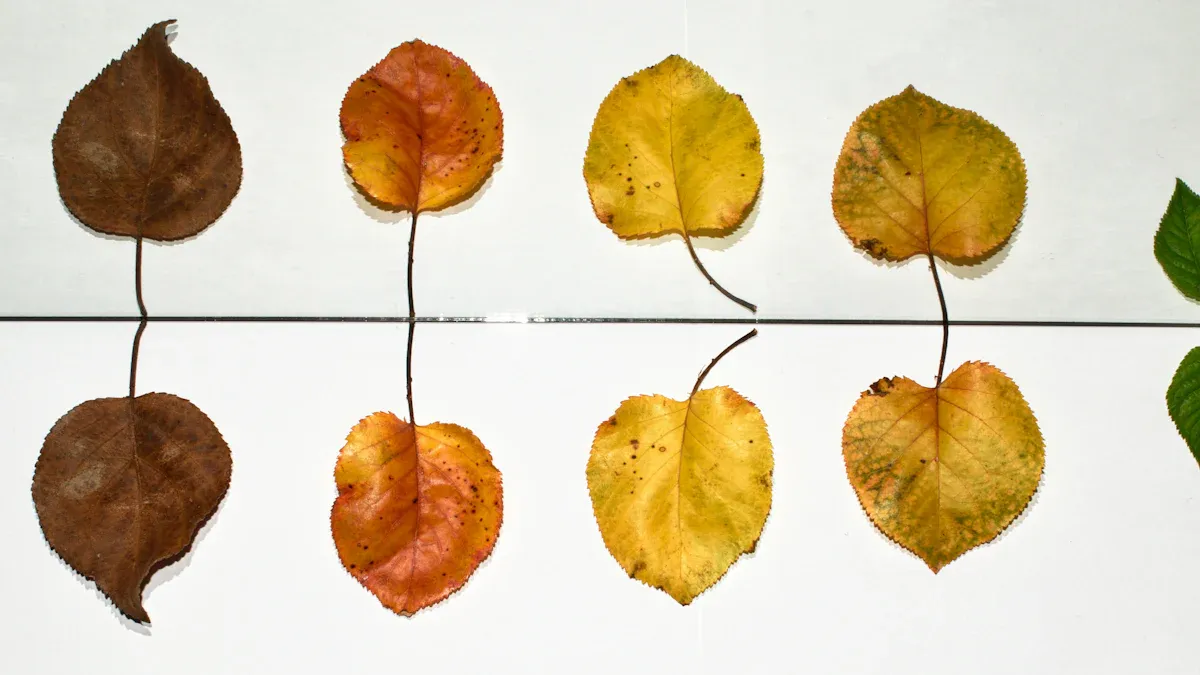
Taoism says death is a change, not the end. This way of thinking teaches that all living things go through a natural change. The Tao Te Ching talks about this as a thread that connects both sides of life.
"Life and death are one thread, the same line viewed from different sides." — Lao Tzu, Tao Te Ching
Taoism thinks death is a normal and peaceful change. It does not see death as a bad thing or a loss. Instead, it shows that life and death are joined together. This togetherness is like the balance of yin and yang. Both are always there, moving and keeping nature in balance. Taoist ideas about what happens after death focus on the soul’s journey and staying in harmony with the universe.
Taoist beliefs say each person has two souls: the Po (魄) stays with the body, and the Hun (魂) moves on. Taoist funeral rituals help the Hun soul go to the afterlife. Priests lead these events and say prayers. They use special books and symbols to help the soul leave the world. These actions show that Taoism sees death as a change and a return to the Tao.
Aspect |
Description |
|---|---|
Duality of the Soul |
Taoism teaches that each person has two souls: the Po (earthly soul) and the Hun (heavenly soul). The Po remains with the body, while the Hun ascends to the afterlife. |
Role of Funeral Rituals |
Taoist funeral rituals are essential for guiding the Hun soul to the afterlife, helping it navigate through spiritual realms and ensuring a safe transition. |
Role of Priests |
Taoist priests conduct rituals and prayers to invoke divine beings, guiding the soul on its journey. They perform ceremonies like chanting sacred texts and using symbolic tablets to help the soul detach from the earthly realm. |
Crossing the Bridge |
The "Crossing the Bridge" ceremony symbolizes the soul's transition from the human realm to the afterlife, with family and priests ensuring safe passage through prayers and offerings. |
Final Farewell |
The "Opening the Way" ritual clears the spiritual path for the deceased, with talismans and protective charms placed with the body to guard the soul during its journey to the afterlife. |
Taoism teaches that accepting death brings calm. The philosophy helps people see death as a step in a never-ending cycle. This way of thinking helps people feel better and less afraid when someone dies.
The Cycle of Life and Death
Taoism sees death as a change that fits into the big cycle of life and death. This cycle goes on and on, with every ending leading to something new. Taoism says life and death are one thing, not two. The Tao Te Ching and other Taoist books use many pictures and stories to show this cycle.
Metaphor/Symbol |
Explanation |
|---|---|
Yin and Yang |
Represents the balance of life and death, where both forces are always present and changing. |
Yin and Yang Symbol |
Illustrates the connection between life and death, emphasizing that change is natural. |
The Tao |
Symbolizes the natural order of the universe, encouraging acceptance of the rhythm of life. |
Transformation |
Describes death as an awakening, where the spirit transitions to a new state, akin to a butterfly emerging from a cocoon. |
Taoism sees death as a change, like a butterfly leaving its cocoon. The cycle of life and death never stops. In the story of Chuang Tzu, the main person does not cry when his wife dies. He accepts her death as a normal change. He thinks both life and death are part of the Tao’s big change.
Taoist books also use stories and pictures to explain these changes. For example, the "Grand Darkness" is a place where good people go through darkness to return to where they started. The "Country of Hua-hsii" shows people following their own path, not holding on to life or death. These stories help people see that accepting the cycle of life is part of Taoist wisdom.
Taoism thinks life and death are joined in a never-ending cycle. Every ending is a step to something new. This idea is different from other ways of thinking that do not focus on the cycle as much. Taoism wants people to see death as a change, not as the final end.
(To explore more about Taoist idea toward death, see Taoism’s Attitude Toward Death.)
Letting Go of Fear and Attachment
Taoism sees death as a change that helps people let go of fear and holding on. The philosophy teaches people to accept things, not hold on, and act without forcing. These ideas help people feel calm and peaceful when things change.
Acceptance: Being kind to yourself and others brings balance and peace.
Non-attachment: Letting go of control helps you feel free and calm.
Wu Wei (effortless action): Not fighting life’s changes makes you stronger inside.
Taoist practices tell people to start each day with slow breathing and to notice tightness in the body. Relaxing helps people accept the cycle of life and death. Taoism sees death as a change that lets the spirit return to the Tao.
Having realized what I really am, I can face all that may come with laughing equanimity, never sure that a change for the so-called worse (including death) will not turn out to be a change for the so-called better. If it does not turn out that way, that’s fine too, for a realized Taoist is too wise to take opposites such as better or worse at all seriously.
Taoism says that accepting death is wise. The philosophy wants people to see life and death as normal changes. By letting go of fear and holding on, people can find peace inside and with the universe.
Taoism sees death as a change that keeps the cycle of life going. This way of thinking helps people see why it is important to keep balance and harmony in life. The Taoist way of looking at death helps people see life and death as one, and find comfort in the natural order of the Tao.
(To explore more about non-attachment, check out The Taoist way of detachment for a balanced and peaceful life.)
Taoist Approach to Life and Death
Embracing Impermanence
Taoism teaches us that change always happens. People who follow Taoism learn that nothing lasts forever. They understand that things will always change. This helps them not be scared of the future. Taoist teachings tell people to:
Welcome change as a normal part of life.
Know that life is not always steady.
Taoism says life moves in cycles, like the seasons. People learn when to do things and when to rest. Sometimes, waiting and being calm helps you grow. You do not always need to work hard.
This philosophy talks about change, movement, and freedom. It says letting go of control is powerful. It is different from what most people believe.
Living Simply and Fully
Taoism likes a simple life. People who live simply feel happier. They do not want lots of things. They enjoy what they have and find joy in small things. Taoist stories, like Chuang Tzu’s, show happiness comes from nature and being content.
People feel happier when they stop wanting more.
Simple thoughts and living bring more joy.
Living simply helps people accept life and death.
When Chuang Tzu’s wife died, he was sad at first. Later, he played a drum and celebrated. He said death is just another part of life. Both life and death are worth celebrating.
Finding Peace in the Flow of Nature
Taoism teaches that life and death are part of nature’s flow. People can feel calm by watching how nature changes. Meditation helps people heal after losing someone. The Water method, a Taoist meditation, helps people let go of feelings and find peace.
Notice your thoughts and feelings but do not hold on.
Let go of trying to control everything.
Spend time outside and watch how nature changes.
Taoism shows that being in harmony with nature brings peace. Life and death are steps in how energy changes. By living in balance, people feel comfort and peace with nature.
(If you're curious about meditation, read Ancient Taoist meditation for inner peace.)
Practical Wisdom and Rituals in Taoism
Mindful Letting Go
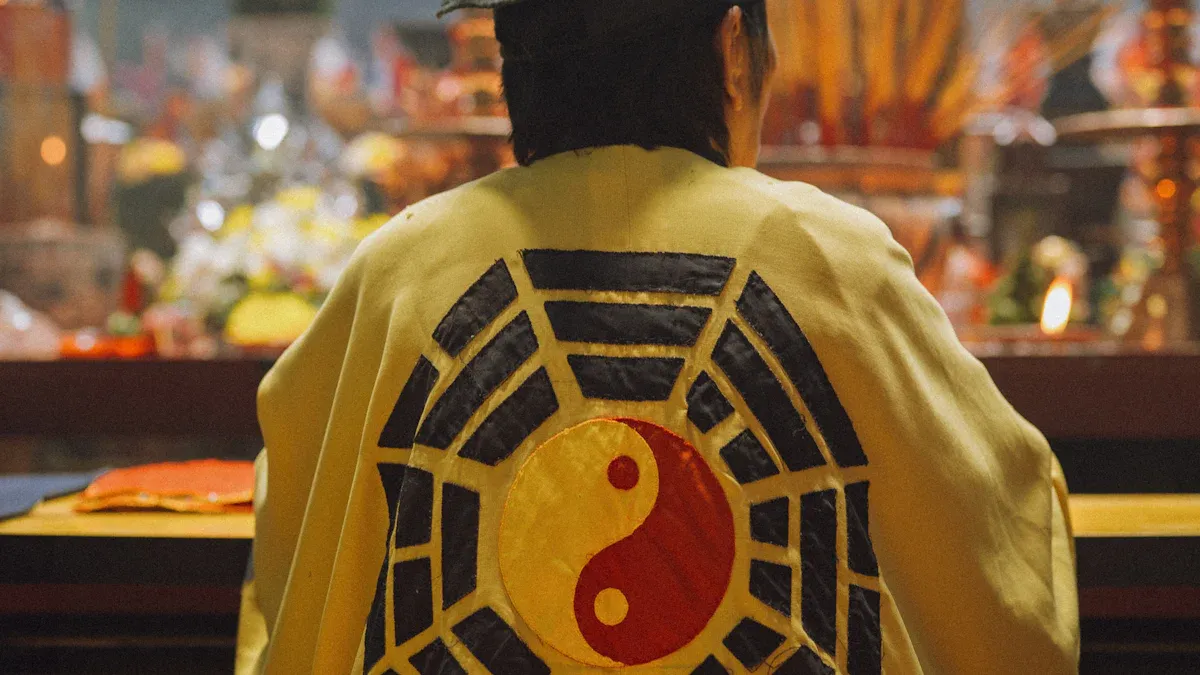
Taoism gives people ways to handle loss and change. One important practice is mindful letting go. People who follow Taoism pay attention to their breathing. They notice how their bodies feel. They do not judge these feelings. They watch their thoughts and feelings come and go. Sitting quietly without a goal helps them feel calm.
Pay attention to breathing.
Notice how your body feels.
Watch your thoughts and feelings.
Sit quietly and think.
Many people start their day with mindful breathing. This helps them feel calm. They notice when they feel tense and try to relax. These easy steps show that letting go brings peace. Gentle rituals, like lighting a candle or sharing memories, help honor loved ones. These acts help people heal and accept loss.
A study found that mindfulness-based cognitive therapy helps with grief. It lowers anxiety and sadness. The table below shows what the study found:
Key Findings |
Description |
|---|---|
Effectiveness of MBCT |
Mindfulness-based cognitive therapy lowers grief and sadness. |
Study Design |
The study lasted 8 weeks and had 23 people. They used surveys and brain scans to check results. |
Improvements Observed |
People felt less grief and anxiety. They could control their feelings better. |
Taoist Rituals for Acceptance
Taoist funeral rituals help families accept life and death. At Chinese funerals, priests lead prayers and chanting. Families give food and burn incense to talk to the spirit of the dead. During the Qingming Festival, families visit tombs, clean them, and offer food and incense. These customs help people accept change and show respect.
Taoist funeral customs are different from Confucian and Buddhist ones. Taoist rituals help the spirit move on and bring harmony. Confucian customs honor ancestors through family. Buddhist customs teach about change and finding wisdom. Taoist customs focus on the cycle and spiritual connection.
Community and Ancestor Remembrance
Community is important in Taoist mourning and remembering ancestors. Taoist funerals bring family and friends together. People gather at a wake with an altar. The altar has a photo, incense, candles, and gifts. Priests lead ceremonies to make a peaceful space. Visitors bring gifts to support the family.
Taoist ceremonies help people feel comfort and closure. They help people feel close and supported. Ancestral altars help people connect. Rituals like burning joss paper keep the bond between living and dead. The Qingming Festival helps families reflect and come together. These customs show that letting go brings peace. The cycle of life and death goes on through remembrance and community.
Taoism says death is a change that happens naturally. Life and death are always connected, and the spirit keeps going after the body stops. When people accept that things do not last forever, they enjoy life more and feel peaceful. Rituals and meditation help people worry less about dying and feel calm. Taoism wants people to live in balance with nature’s changes. People who follow these ideas often feel peaceful inside and accept life as it is.
Pieces That Carry This Intention
A few pieces from the shop that sit close to what this article is about.


FAQ
What does Taoism teach about death?
Taoism teaches that death is a natural transformation. People return to the Tao, which is the source of all life. This view helps many accept death as part of a larger cycle.
What is the Taoist view of the soul after death?
Taoists believe each person has two souls. The Po stays with the body, while the Hun moves on. Rituals help guide the Hun soul to the afterlife and ensure harmony.
What rituals do Taoists use for death and mourning?
Taoist priests lead ceremonies with prayers, incense, and offerings. Families honor ancestors during festivals like Qingming. These rituals help people accept loss and remember loved ones.
What can someone do to find peace with death using Taoist ideas?
People can practice mindful breathing, spend time in nature, and let go of fear. Taoist teachings encourage acceptance of change and finding comfort in the natural flow of life.
See Also
Taoism’s Attitude Toward Death
The Taoist way of detachment for a balanced and peaceful life